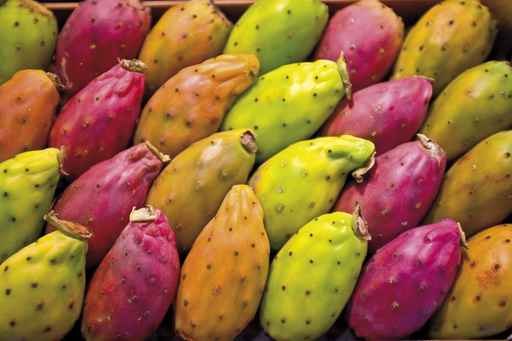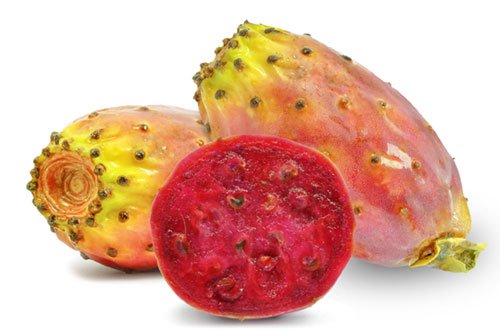
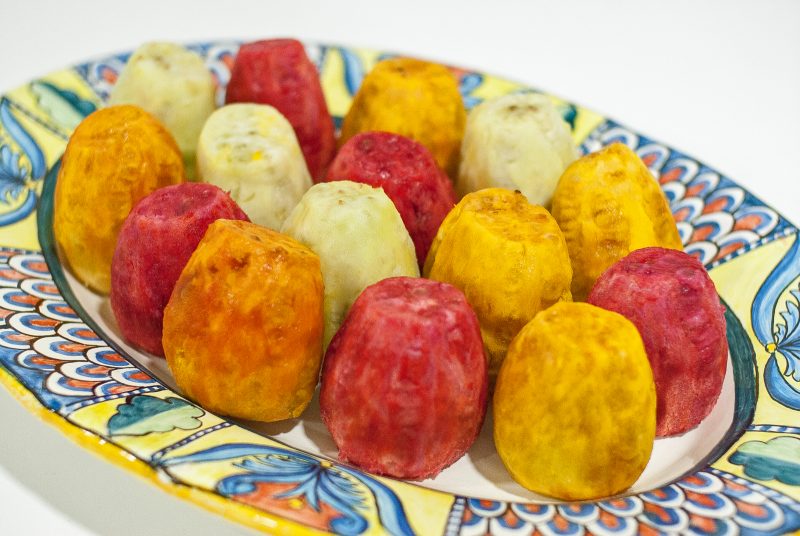
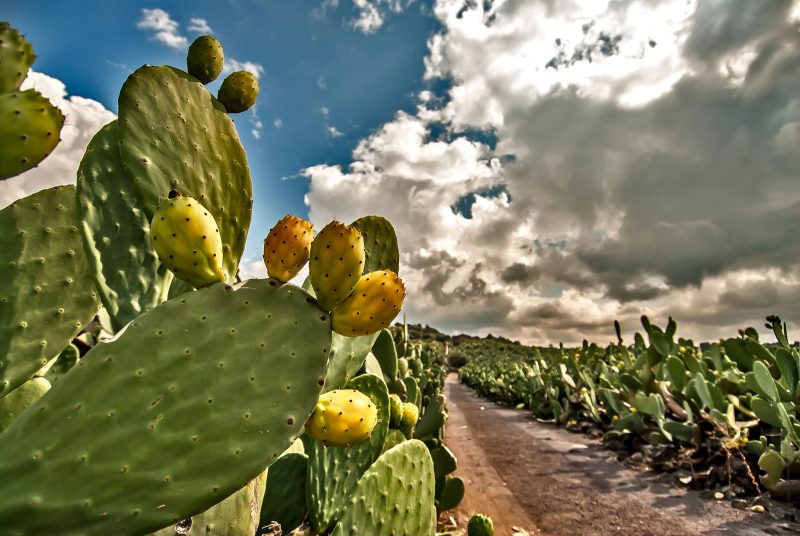
  The fruits of the Prickly Pear in Italy are known as Fichi d'India (India Pears), marketed in America with the friendlier, less dangerous name of Cactus Pears. The plant was first introduced into Europe after the discovery of the Americas by Columbus. The fruits were named fichio d’India (Indian fig) because when Christopher Columbus arrived in the new continent and saw prickly pears he thought he was in India. These colorful fruits make a sweet snack or a margarita mixer. Unlike Mexico and other countries, Italy doesn't use the cactus paddles, but simply loves this pear shaped fruit. Intensive plantations across Sicily and the southern mainland make it only second to Mexico in cactus fruit production.
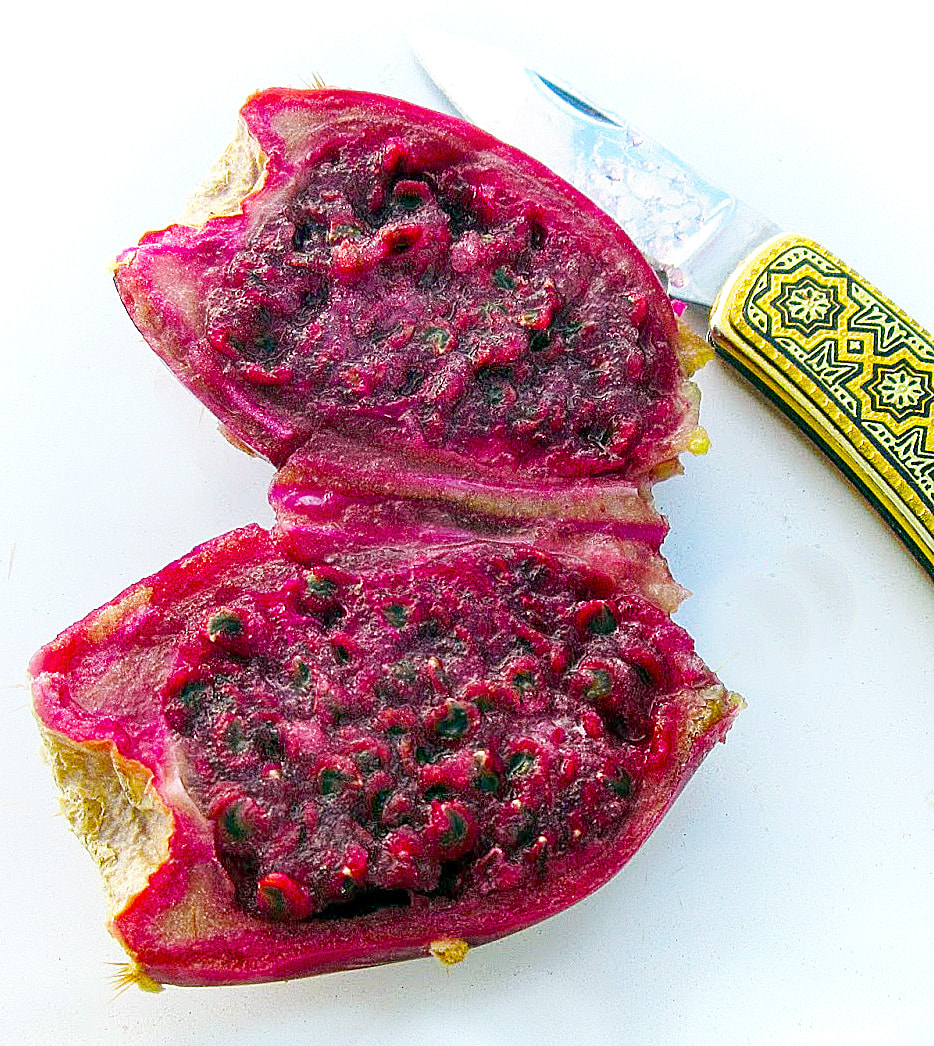
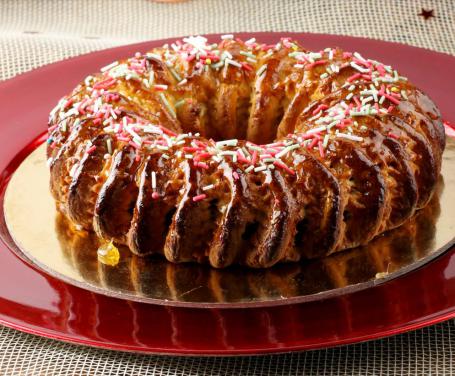
 Large, crunchy seeds Large, crunchy seeds In reality, the word “prickly” lessons the dangerous aspect of the spines of this fruit. But it's not the obvious large spines of this cactus that are the problem, the real danger is from the tiny, nearly invisible hair-like spines that completely cover the skin of the fruit that you have to watch out for. If you touch them with your bare hands, you won't be able to wash them off... microscopic hooks dig into your skin causing burning pain. 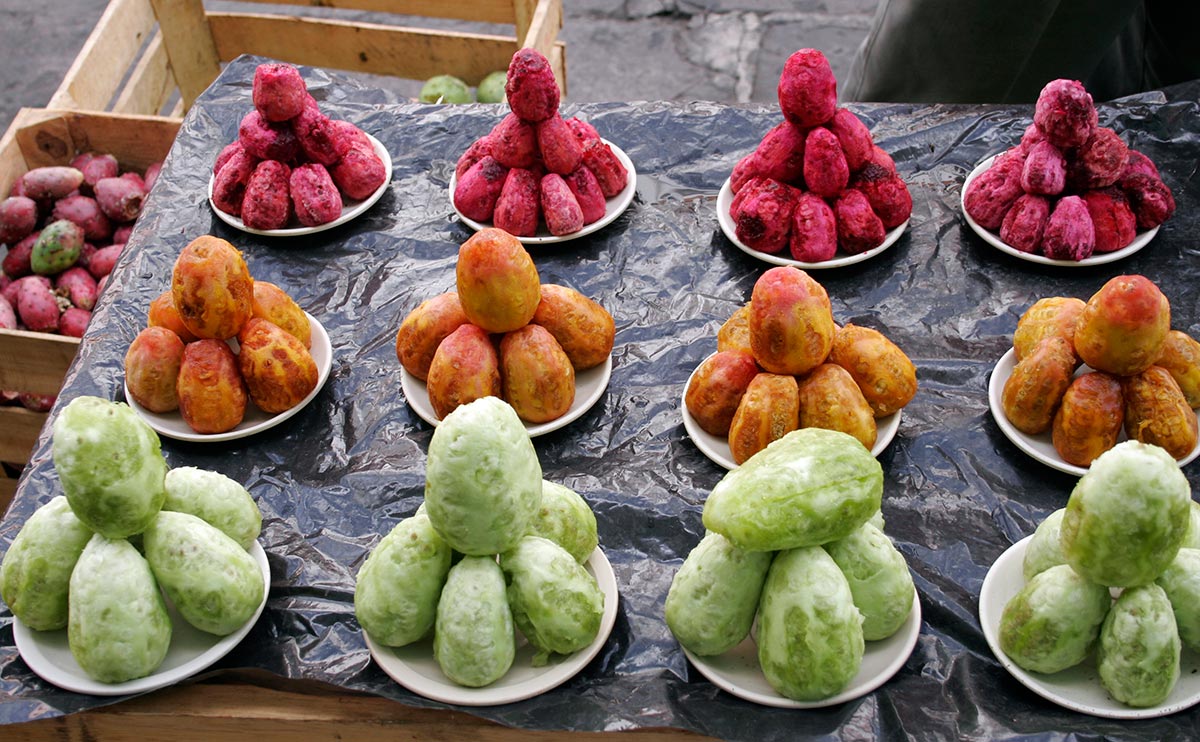 What do they taste like? Many say that Fichi d'India are sweet but not too sweet. Some describe the flavor like a fig crossed with a plum. They are also very seedy, with big, hard seeds. Some like to feel the crunch of the seeds between their teeth, while others eat them as they do pomegranates, swallowing seeds along with the gelatinous flesh (think, "fiber"). In southern Italy (especially Sicily) people love eating them fresh. You will often find them pre-skinned and ready to eat in market displays. The taste varies with the color--white, orange and red. Some say that the red ones have more flavor than the other colors. One interesting tradition is winery owners giving the fruit to their grape-pickers for breakfast to prevent them from eating grapes during the harvesting. This tradition is still kept today.  You'll find the best ones during its harvest time in Sicily, from October to December. There is also a Sagra del FicoIndia in the town of Roccapalumba in Palermo Province held usually in the second week of October. During the feast, the town’s streets will be alive with workshops about how to peel and eat the tuna (Sicilian word for the fruit) of the cactus, how to prepare it for consumption, and there will be opportunities to taste products and dishes made from the plant–everything from honey to liquor to a recipe called scuzzulata. More than 30,000 people attend.  Culinary Use Besides being eaten fresh, Fichi d'India can be used in salads, vinaigrette and made into granita, jams or honey. They are also used in Sicilian cakes, such as Buccellato, which is very common at Christmas time. You can drink juice from the fichi d'India, but it really needs some lemon added for additional acid. In fact, it is often used in commercial drinks as a flavoring.
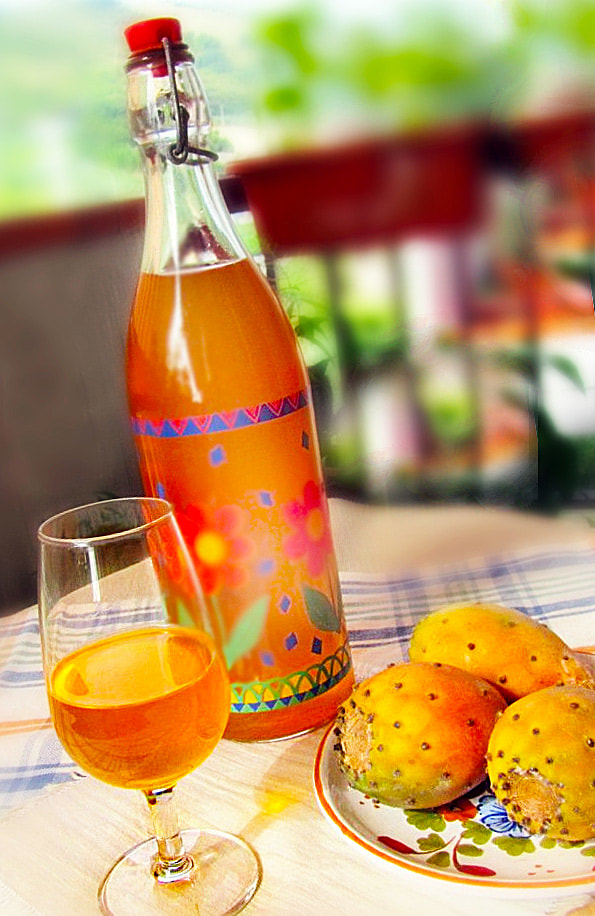 Many make a home brew--Liquore al fico d’india--from the fruit in a similar manner as one would make limoncello, placing the cut up fruit in jars of alcohol with a sugar-syrup and fermenting in a dark place. The resulting liquor is best served very cold. The fruit is high in vitamin C, antioxidants. calcium and phosphorus. --Jerry Finzi This video shows how to skin and harvest a Fichi d'India fresh from the cactus plant--without getting hurt. Here are two Nonnas showing the sensible method of skinning the Fichi d'India by soaking them first in a bucket of water.
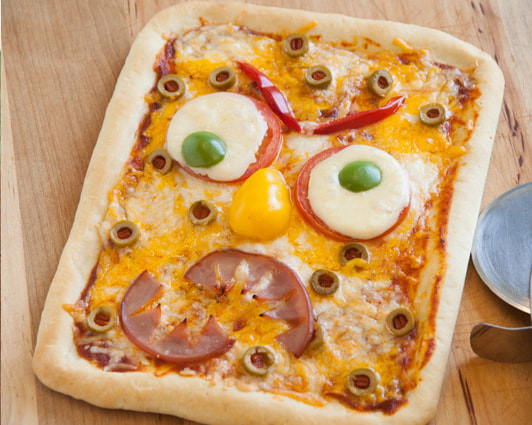
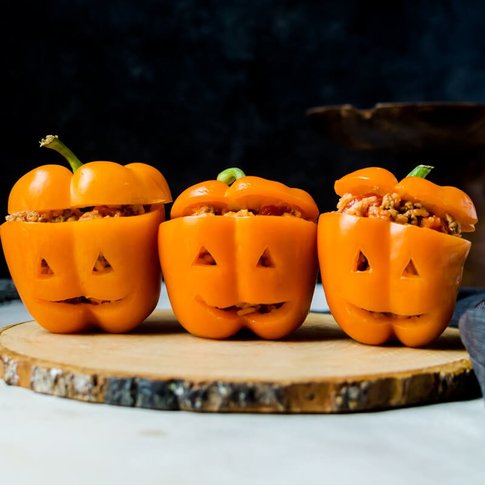
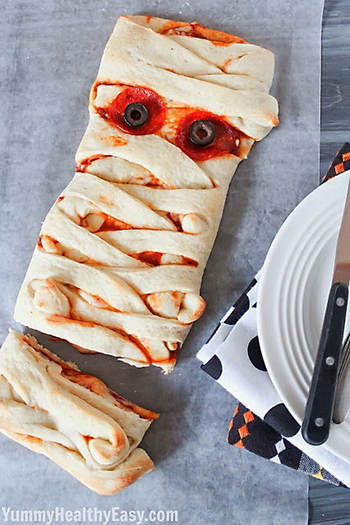
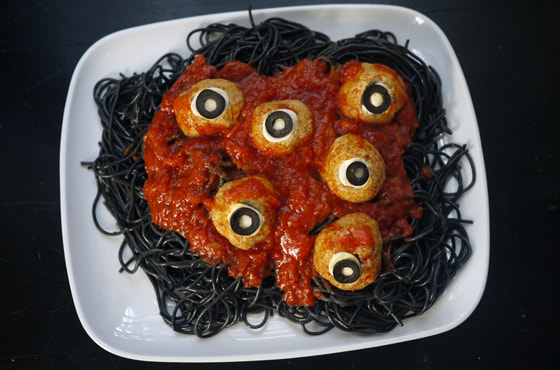
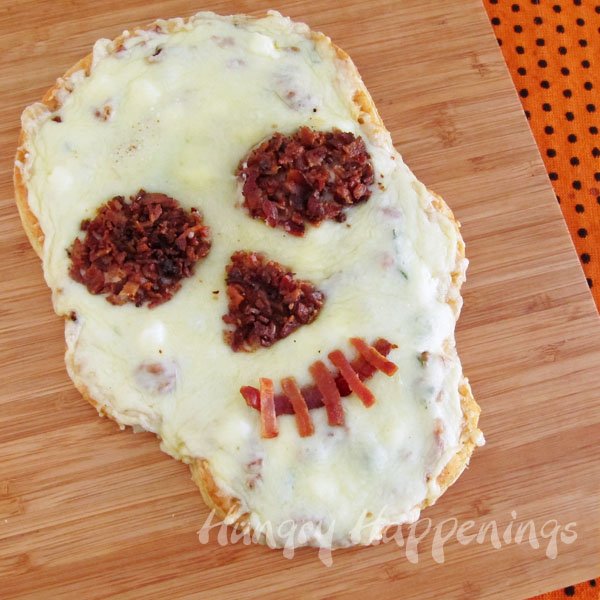
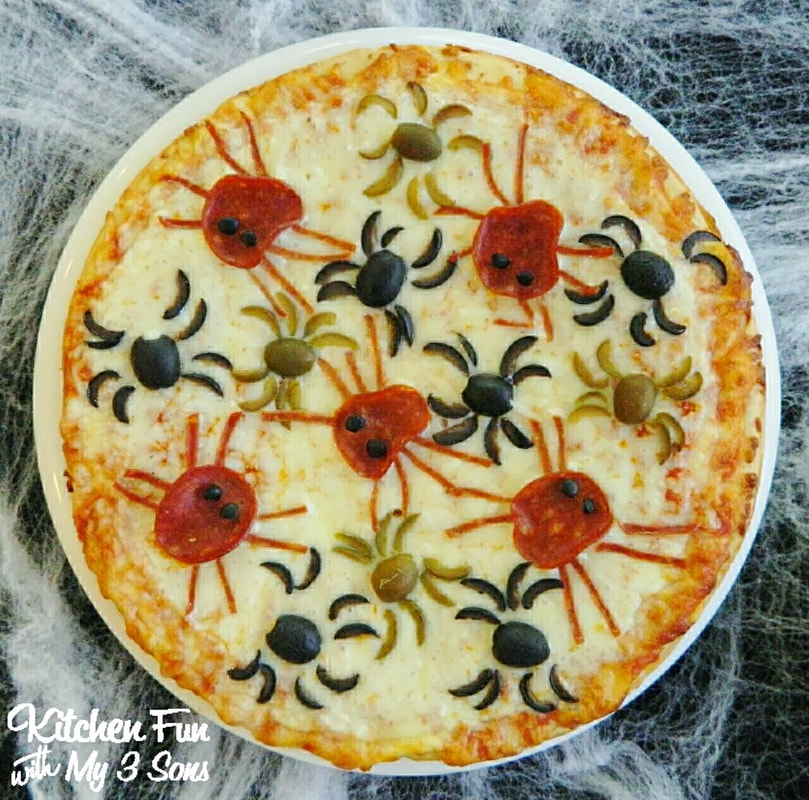
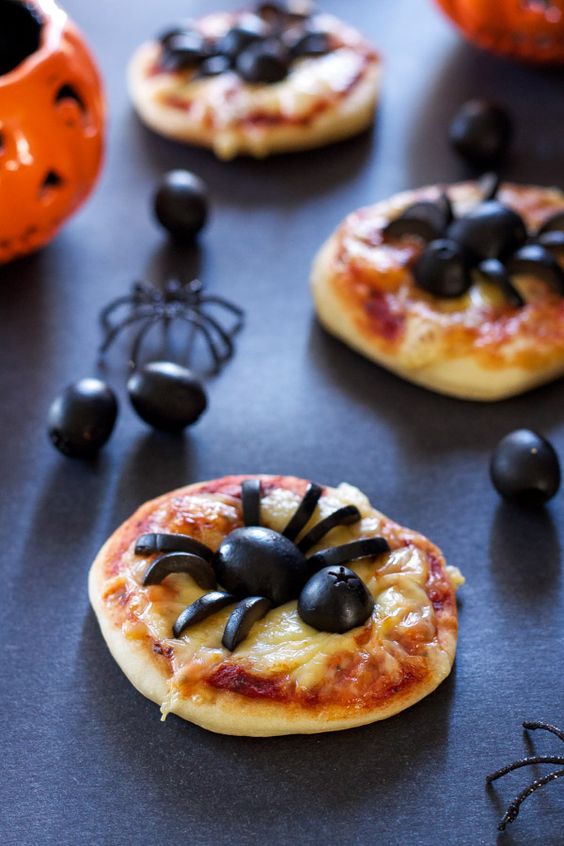
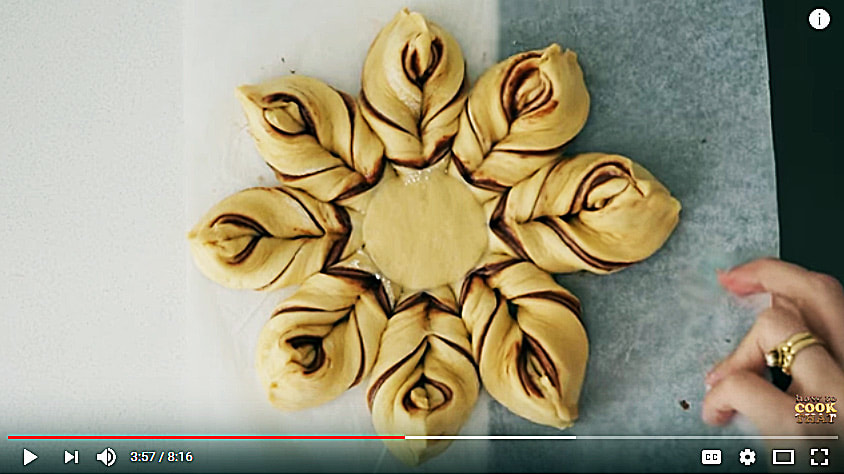
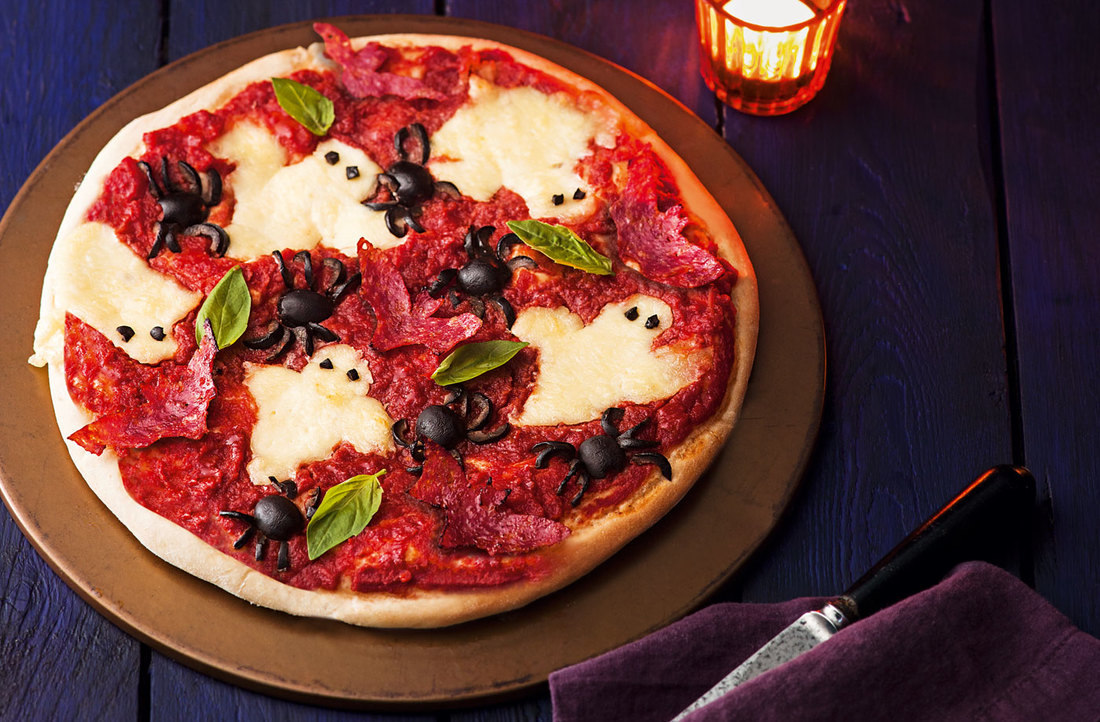
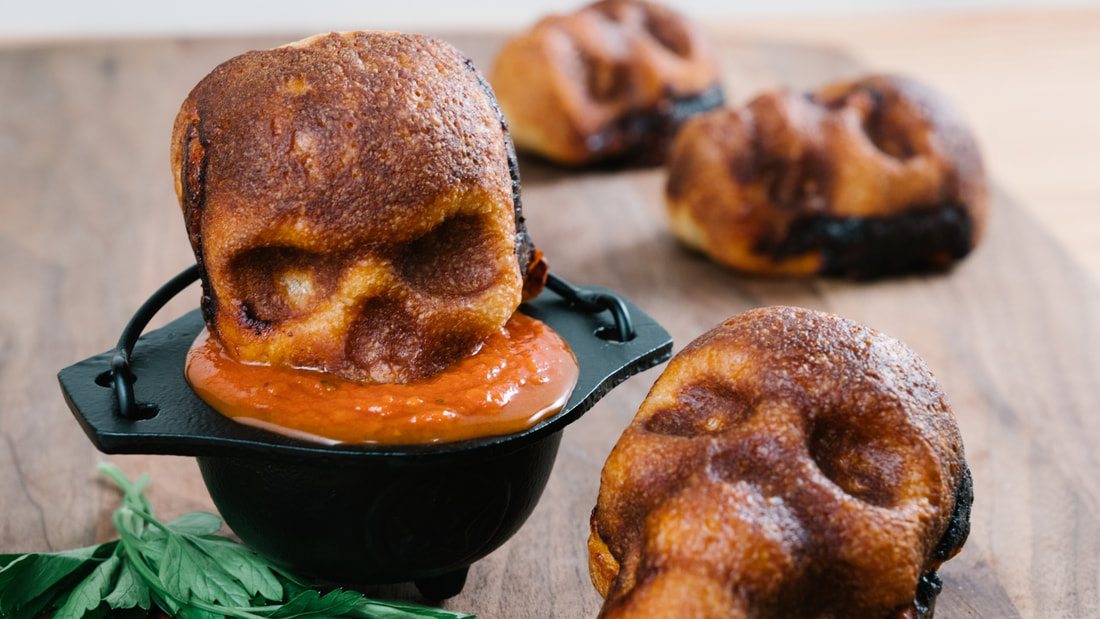
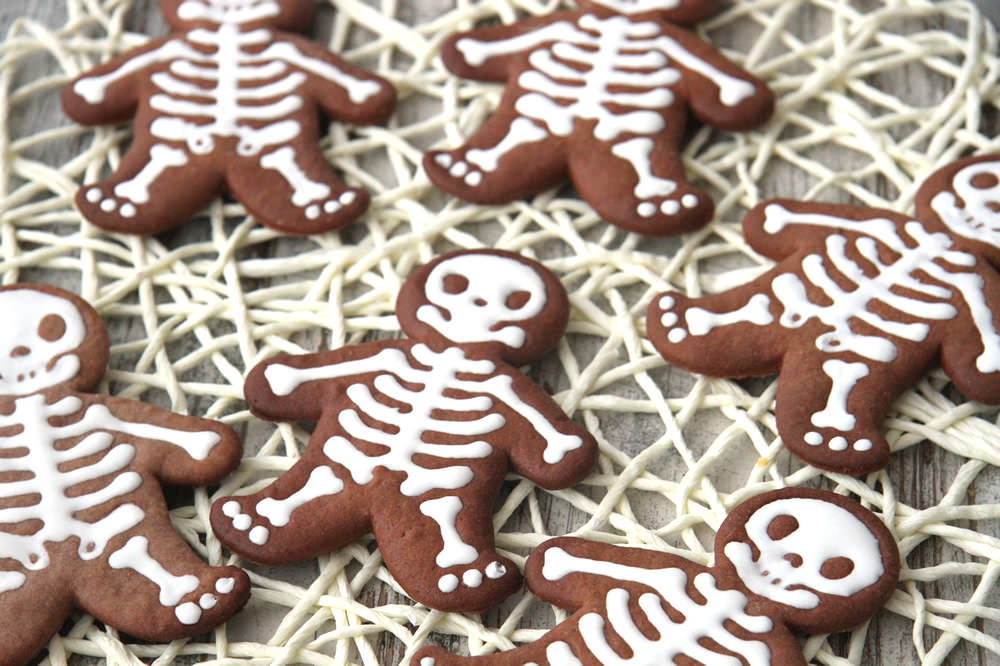
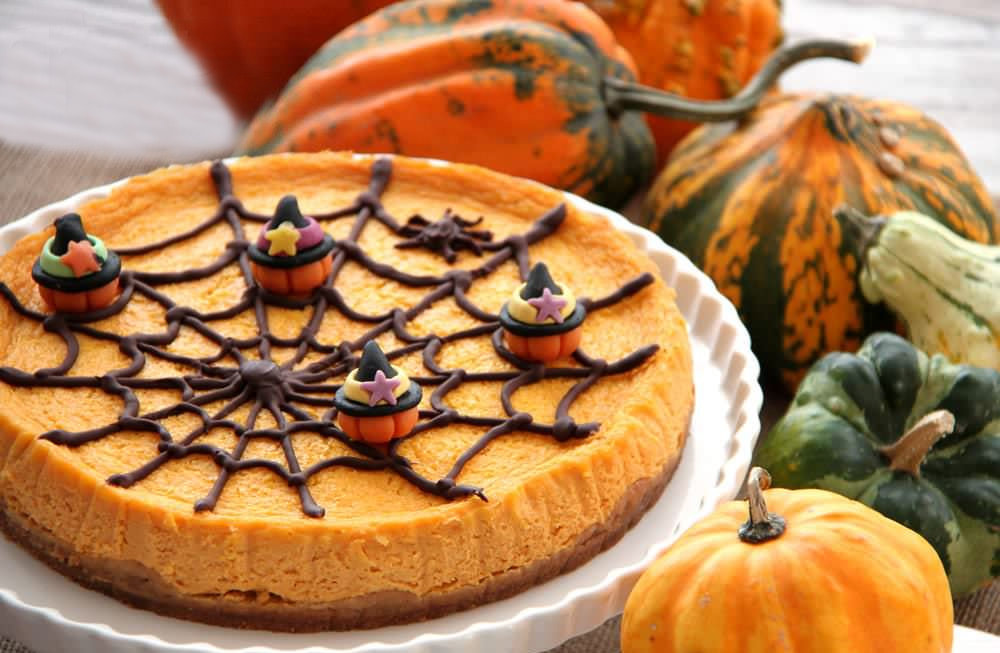
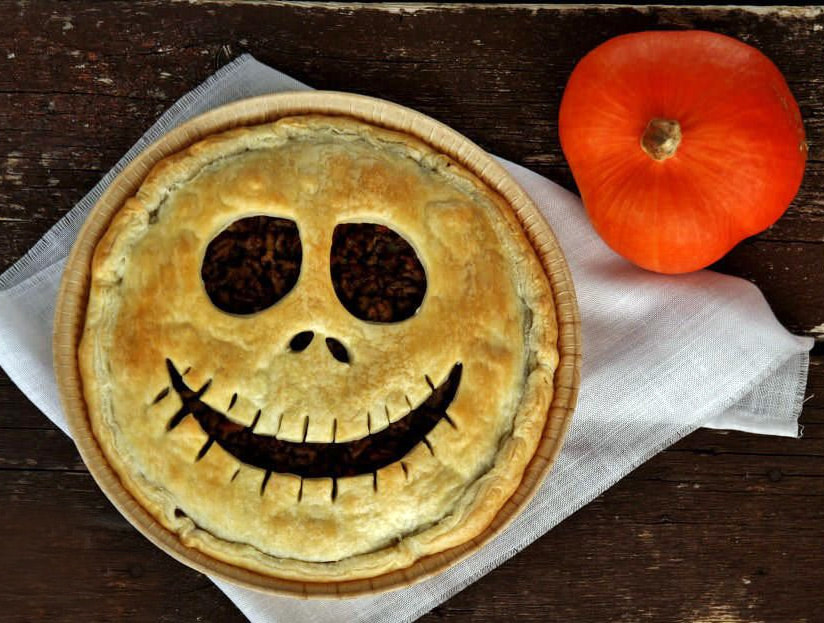 Here are some great recipe ideas for your Halloween parties... Italian style! Click on the photos to take you to each recipe. Enjoy! --Jerry Finzi 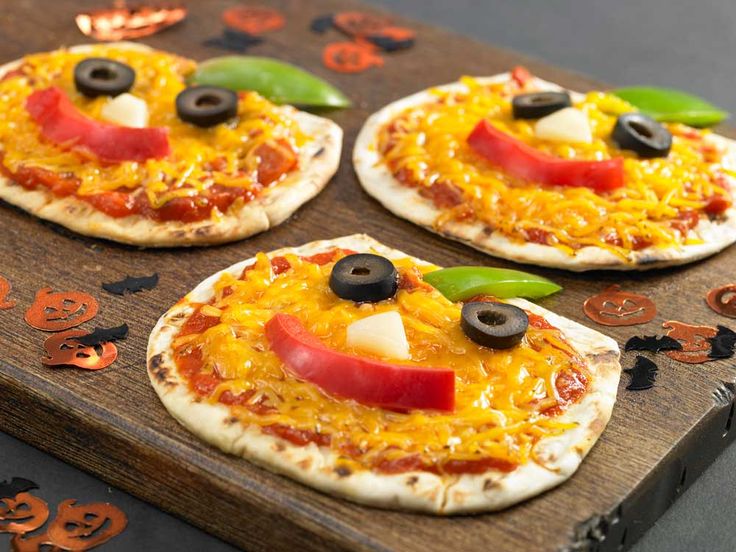
   Each year, we create a gingerbread house with last year being our first time in a local competition. (We received an Honorable Mention for our Gingerbread Leaning Tower of Pisa). But Lucas, Lisa and I have a real challenge ahead of us this year... a project we've wanted to do for the last three years: The Roman Colosseum! This past week we started planning it, and are coming to the realization that this will be one of the most challenging creations to date. As an inspiration, we've been looking all over Google, Pinterest and You Tube for other Colosseum gingerbread and cake creations. It's going to be a tough project for sure. Here's two of the better cakes we found that blew us away, even though they are partial scenes of the Colosseum. We love the amazing details done in modeling chocolate... 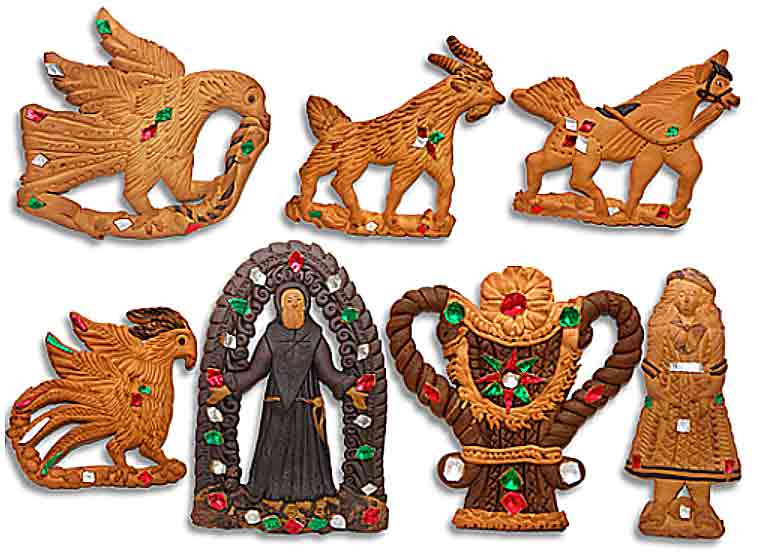
Here in our home, one of our Christmas traditions is making gingerbread cookies and one gingerbread house each year. (CLICK to see one of our creations.) I often wondered if there is something similar in Italy and in fact, I discovered something very similar to gingerbread made in Campania, Calabria, Sicily and most of southern Italy: the Mostaccioli, a shaped, spiced, and unleavened hard cookie. Depending on the recipe, they may contain wine must (leftover from the wine making process), red wine or honey. Mostaccioli are not only for Christmas, but also for Easter and other sagre and religious festivals. With its roots deep in Italian history, perhaps from the time of the Romans when they were placed on temple alters as offerings to the Roman gods, the tradition of Mostaccioli was continued by 15th century Dominican monks. These shaped, edible works of art are very hard and long-lasting--just like gingerbread. 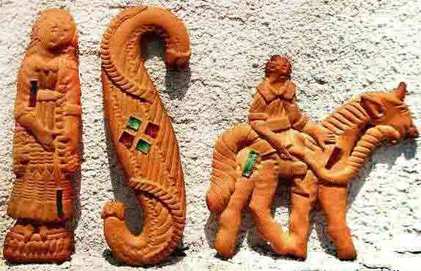
You might see Mostaccioli under other names in local dialects throughout Southern Italy: Mastazzola, Mustazzoli, Mastazzuolu, 'Nzuddha, Mustazzuali, Mustazzolus (in Sardinia). Those dialects in the south can change from village to village! Regardless of the name, this spice cookie is considered by most historians to be the oldest cookie recipe in the world.
The name comes from the Latin mustacea, a cake made out of “must” (un-fermented, pressed grapes, including skins, seeds and stems) that has been made since at least 300 BC. In the 1st century AD, the ancient Roman philosopher, Cato, wrote about mustacea being made with rye flour, cheese, cumin, anise, cheese, eggs and wrapped in bay leaves. Modern recipes are very different from 2000 years ago, but Mostaccioli have been made throughout central and southern Italy for hundreds of years--maybe more. The recipes for creating the most intricate shapes contain no leavening and create a dough that can be shaped by sculpting tools or pressed into molds. 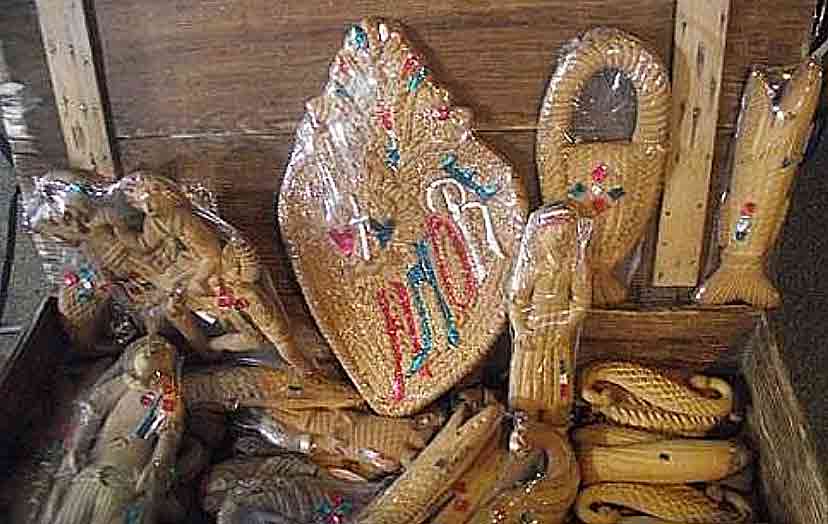
While most versions contain honey, others might contain chocolate, but in all cases they are very spicy, similar to a spice cookie or gingerbread. There are simpler, non-sculpted Mostaccioli, in either a round or diamond shape, that are covered with a chocolate icing, which are more common--especially with home bakers. Some may even contain various nuts like almonds, hazelnuts or pignoli and might be shaped into a traditional biscotti shape. One version in Puglia even adds a special ingredient: a sweet wine with sugar added that has been reduced over heat into a syrup... adding a hint of the cookie's ancient past when grape must was used.

CLICK HERE for a Ciao Italia recipe.
(NOTE: There are also recipes for a pasta called Mostaccioli, typically in a penne shape.)
Food historians tend to agree that the current recipe gained popularity in 1653 after Saint Domenico--the patron saint of the Kingdom of Naples--distributed Mostaccioli cookies after a devastating earthquake in Sariano, Calabria. Every since then, on August 16th (my birthday and the Feast Day of St. Domenico), people in Calabria celebrate by baking Mostaccioli cookies and auctioning them off to benefit charity.
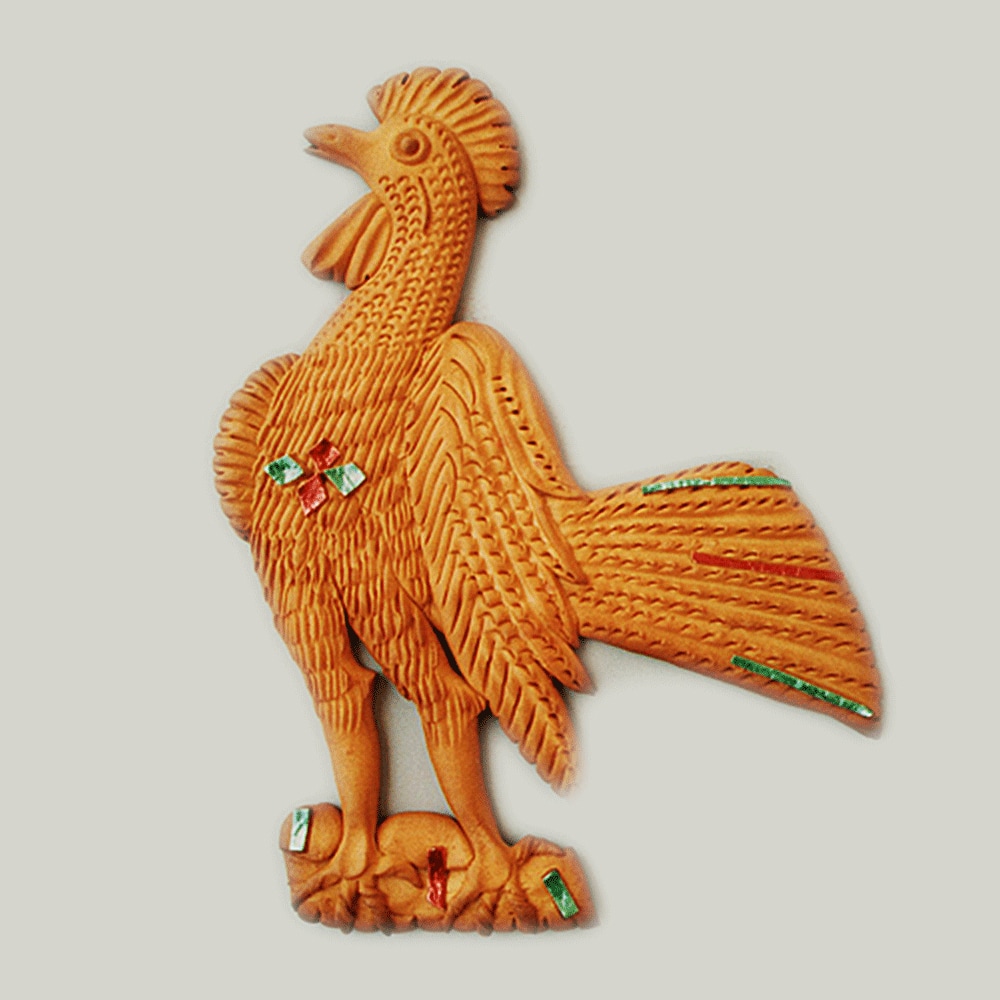
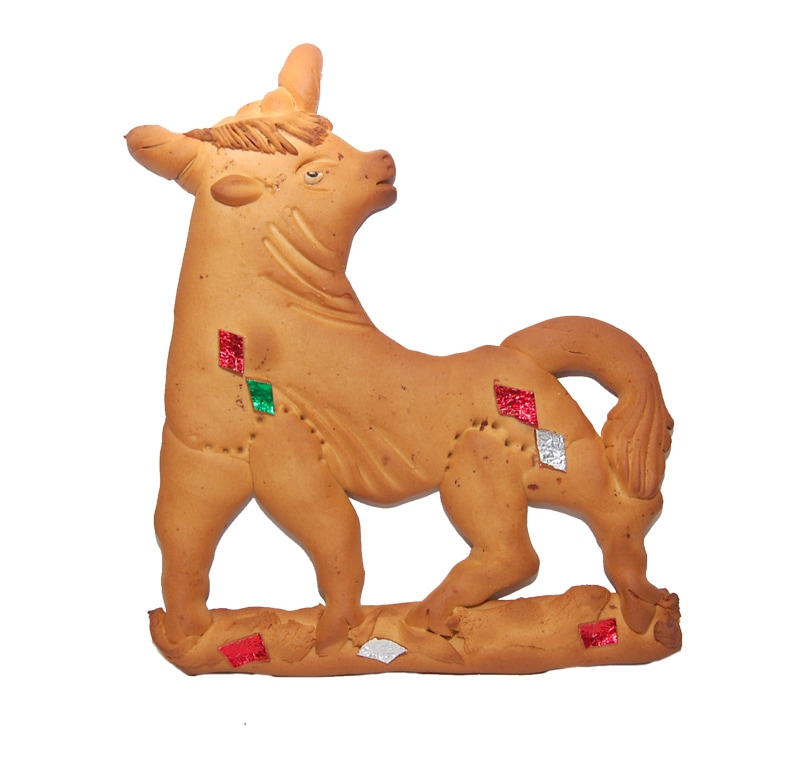
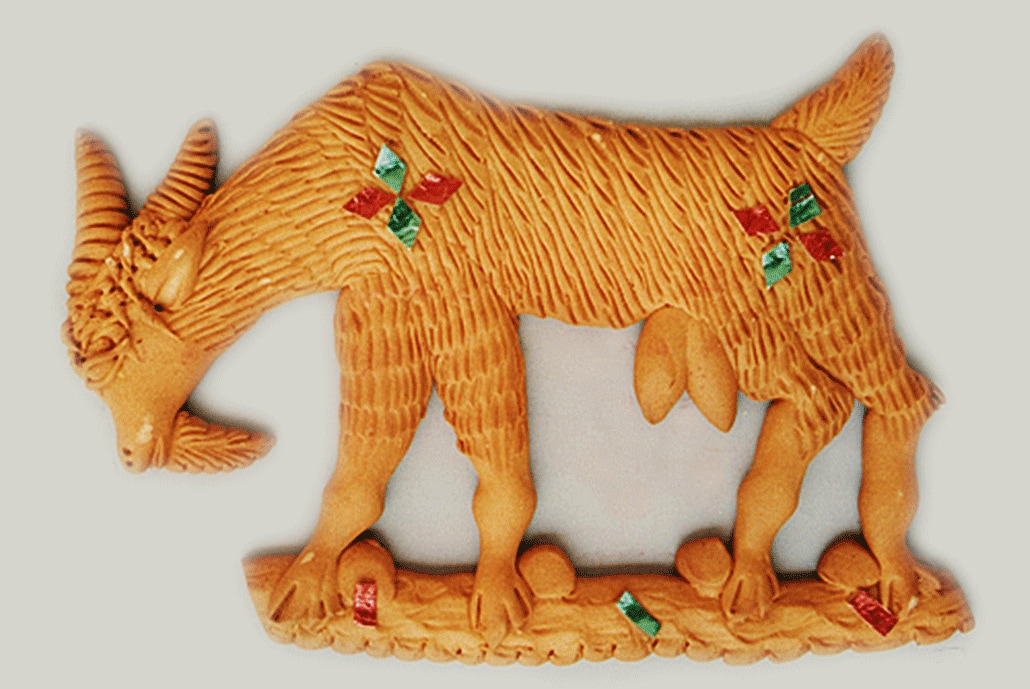
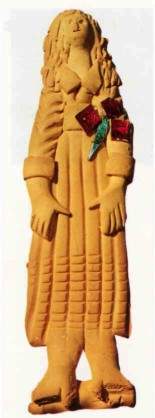
The traditional shapes hearken back to temple offerings: a parma (the palm), a sirena (the siren), u panaru (the basket), u pisci spada (swordfish), and a grasta (the heart)... all real items that historically might have been left as an alter offering. The other shapes--saints, goats, roosters, horses, pigs, lambs and birds--reflect Roman Catholic holidays and the desire to please children around the holidays. Besides Christmas, Mostaccioli are also given as gifts at Easter, weddings and on special saint days. The intricate shapes are made even more decorative by the addition of colored foil "jewels". Some of these cookies have been elevated to a fine art form and were the subject of a special exhibit at National Museum of Applied Arts in Rome with 36 ancient shapes being displayed.
During both Natale (Christmas) and Pasqua (Easter) and other saint Festa and harvest Sagre celebrations, you will often see Mostazzolari (vendors) selling their cookies at throughout Italy, but especially in the South. Many display their cookies in a traditional manner--in wooden treasure chests. After all, these do resemble precious bejeweled treasures.
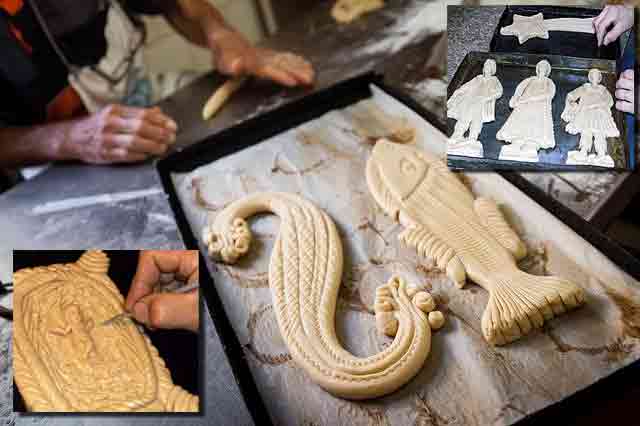
Recipe for traditional Mostaccioli for Molding or Shaping
The Preparation is straightforward and simple..... it takes only three ingredients... Equal weights of flour and honey: 16 ounces of 00 Italian flour, or all-purpose flour 16 ounces honey 1 tablespoon lard (or shortening) 1/2 cup of either: grape must, Anisette, Sweet Marsala or white grape juice
A more traditional method: You can prepare the dough using one part water and three parts honey, heated in a double boiler while sifting flour slowly until a dough is formed. Let the resulting dough rest, covered overnight and then knead by hand.
--Jerry Finzi
Watch this video to see these Masters of the craft sculpt their Mostaccioli...
Copyright 2017, Jerry Finzi/Grand Voyage Italy - All Rights Reserved
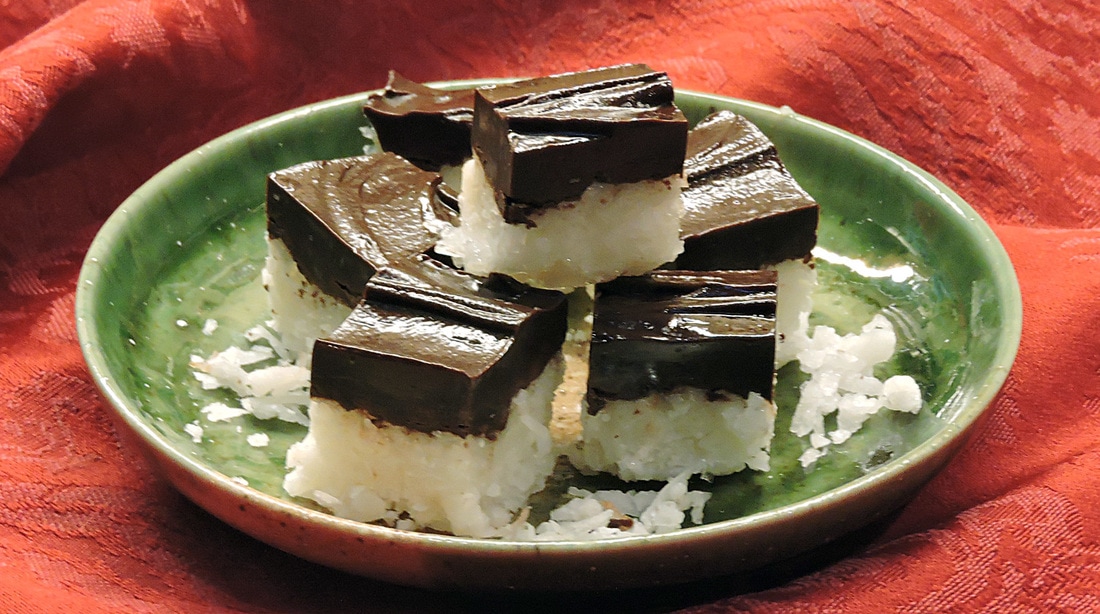 I've always loved coconut and chocolate. Mounds candy bars were a favorite when sitting in the dark, echoing movie palace during Saturday matinees in my youth. In Italy, one of my favorite, two-scoop gelato treats was coco and cioccolato. So when my wife, Lisa made these Coconut Chocolate Squares for me last week, I was in heaven!
Ingredients
Directions
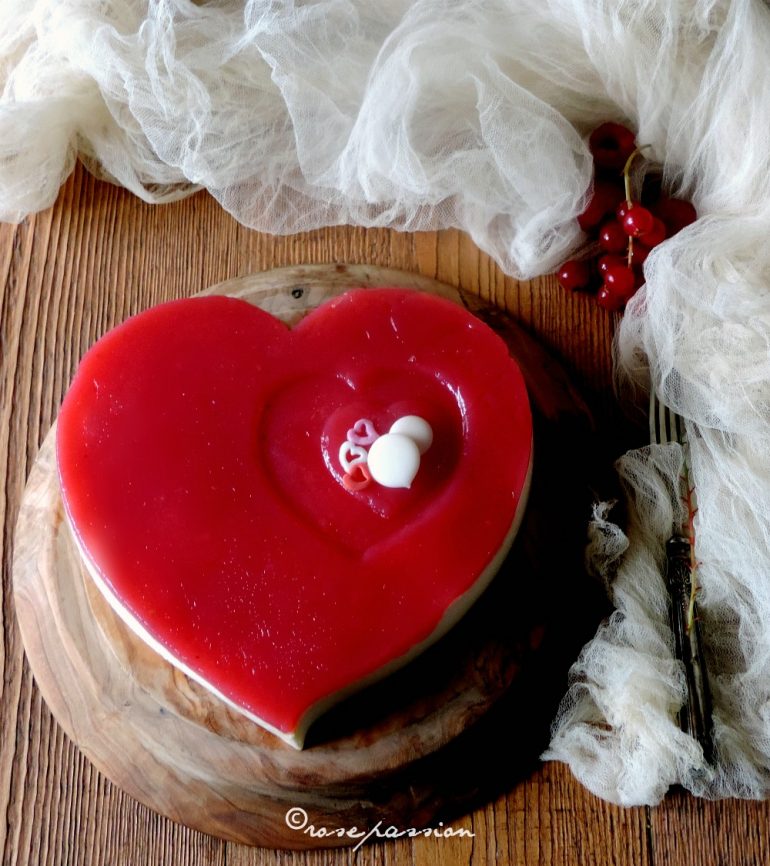 Panna Cotta with Raspberries and Red Currants
A recipe from Rose Passion... Panna cotta is a dessert from Piedmont--a classic of Italian cuisine. Versatile and simple to make, it realize lends itself to numerous interpretations based on tastes of the seasons. In this dessert, the creaminess is enhanced by the tangy flavors of red berries. Instead of classical coulis, I chose a delicious combination, and particularly a water-based cream with raspberries and currants which gives a sour hint in contrast to the sweet cream. The originality of this recipe is in the range of healthy ingredients as well as in the final presentation. I used a wonderful heart shaped pan for this panna cotta--an elegant and romantic look perfect for Valentine's Day. To purchase in Italy, click " Heart ". (GVI: Or you can use one like this on Amazon). Ingredients: 400 g fresh cream 100 g milk 2 g agar agar 80g caster sugar For the cream to water raspberries and currants: 150 g red fruits (raspberries and red currants) 250 ml water 120 g caster sugar 50 g cornstarch 1 g agar agar Procedure: Blend the red fruits and strain the sauce through a sieve to eliminate the seeds. In a cold saucepan stir: sift together the starch, sugar, water and agar agar. Add the raspberry sauce and currants, stir and bring to a boil. The cream will take on a gelatinous appearance. Remove from the heat and quickly pour the cream into the silicone mold. Level the surface and let solidify in the refrigerator at least 2 hours. Prepare the panna cotta: in a cold saucepan, melt the agar agar in milk, stir and add the cream and sugar. Place over medium-low heat and simmer for about 3 minutes. Pour the mixture into a bowl and stir occasionally to prevent a skin from forming. Once the panna cotta is cold, pour over the raspberry cream and currants. Let stand in the refrigerator for 4-6 hours. Turn out and serve the panna cotta on a serving dish. Notes: For a lighter version, replace the cream with coconut milk; Use soy milk or almond instead of whole milk. The cream is a water-based gluten-free--ideal for filling and decorating desserts. Versatile and lightweight, you can make it taste like pudding by adding 25 g of butter. I omitted the red dye and added agar agar. Click HERE For more on the wonderful Rose Passion blog. |
Archives
July 2023
Categories
All
|