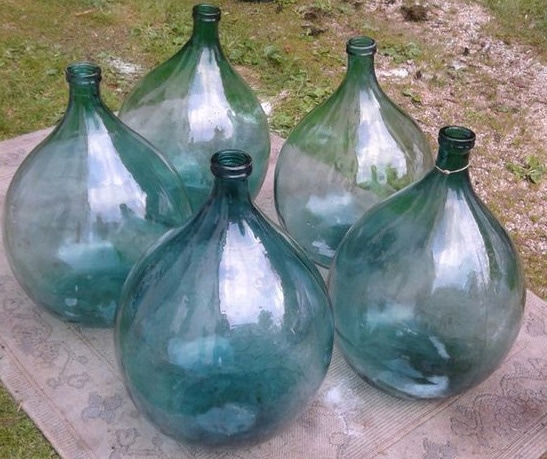
 Olive oil has been used in many other ways over the millennium... greasing wheels, cleaning the body, lighting ancient homes in lamps, polishing furniture, but the most important use for the golden elixir throughout the ages is in la Cucina. But we don't always give our olive oil the respect and care it deserves. After all, we should respect an oil that I've witnessed with my own eyes still coming from trees hundreds and even thousands of years old. Olives are a gift from the gods... a gift of Mother Nature herself. They are a link to our past and a healthy path to our future. Here are some ways you can give respect to your olive oil...
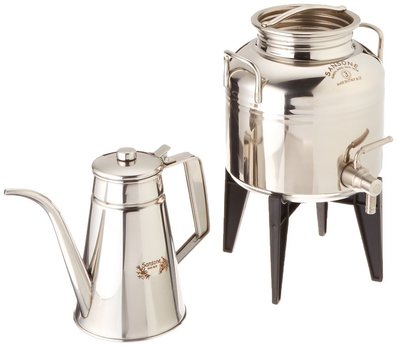 Olive Oil "Fusti", on Amazon Olive Oil "Fusti", on Amazon
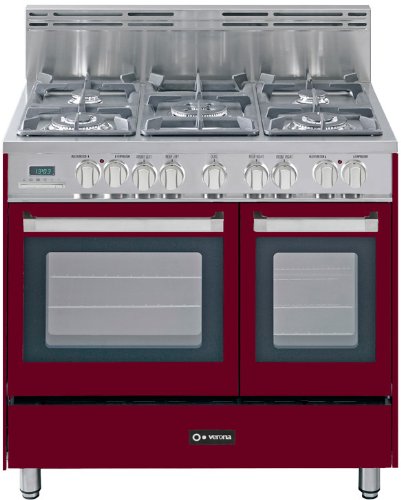 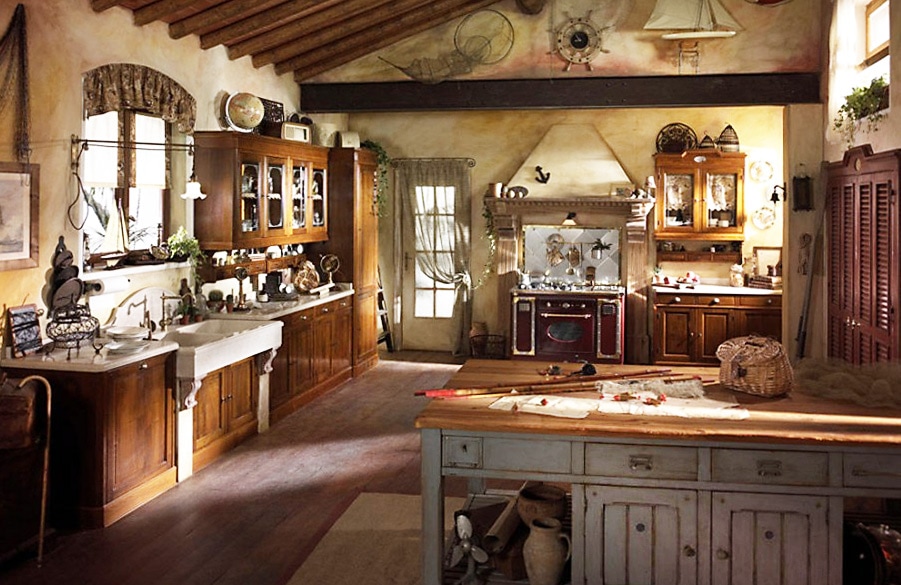
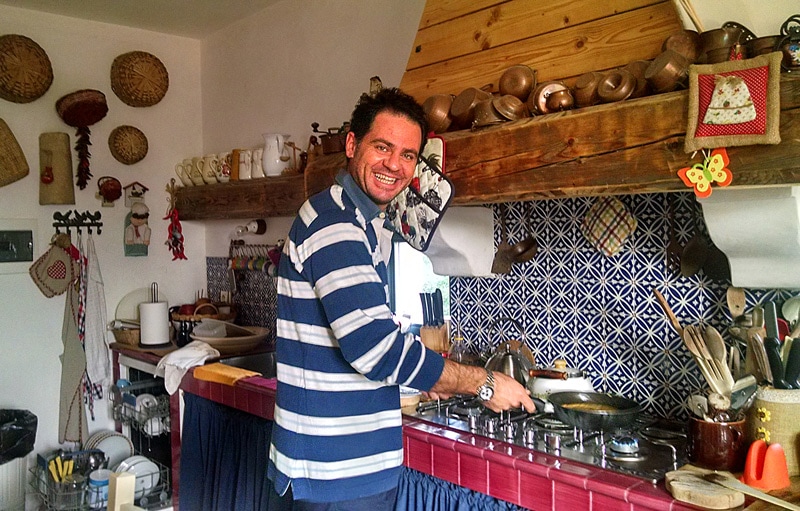
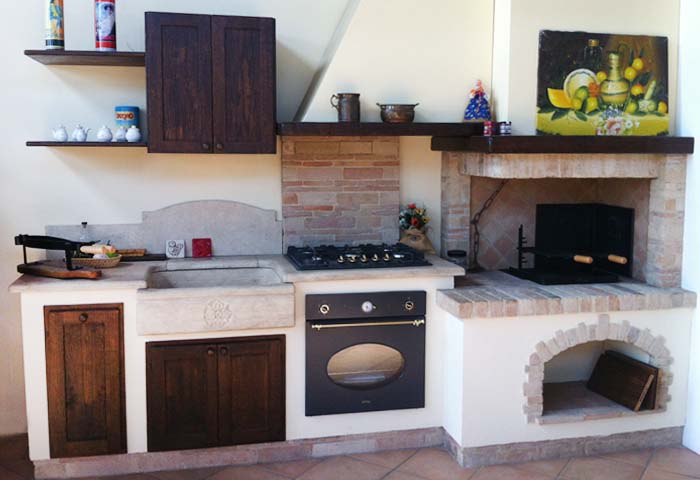
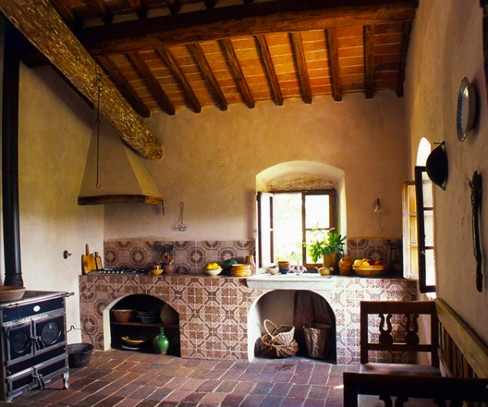 To me, this is the most common country kitchen layout... note the cooktop and corner hood, mimicking the open wood fire grill in historic Cucina To me, this is the most common country kitchen layout... note the cooktop and corner hood, mimicking the open wood fire grill in historic Cucina
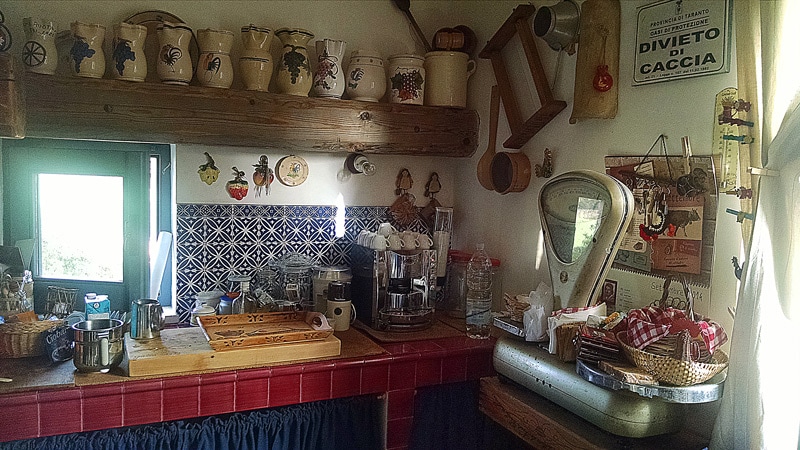
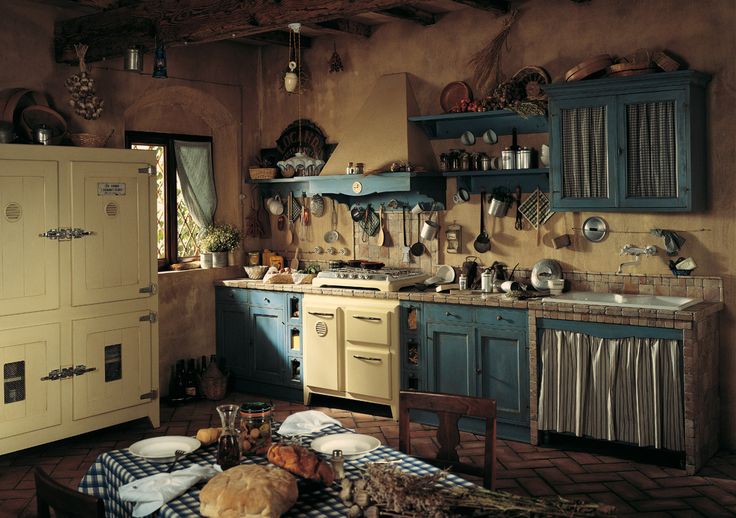
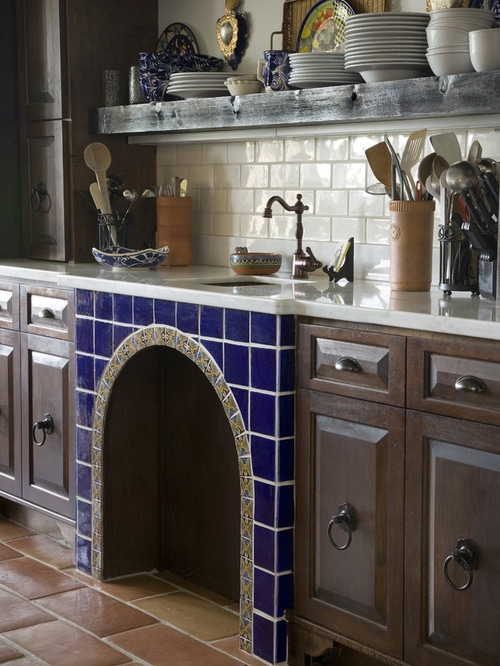
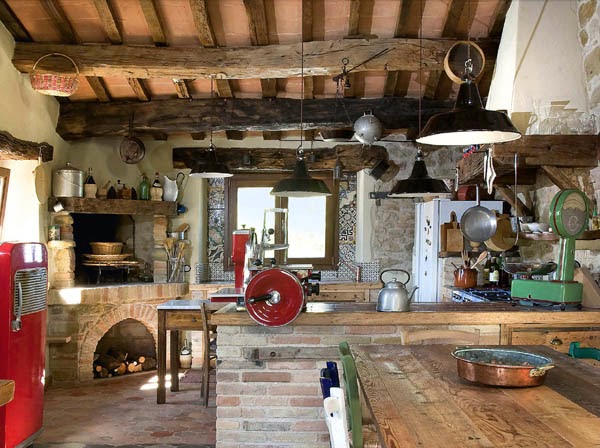
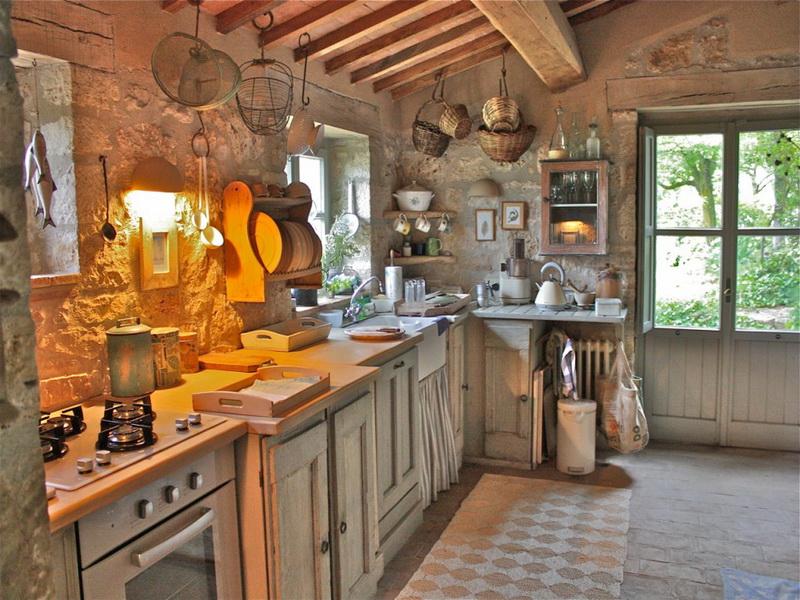
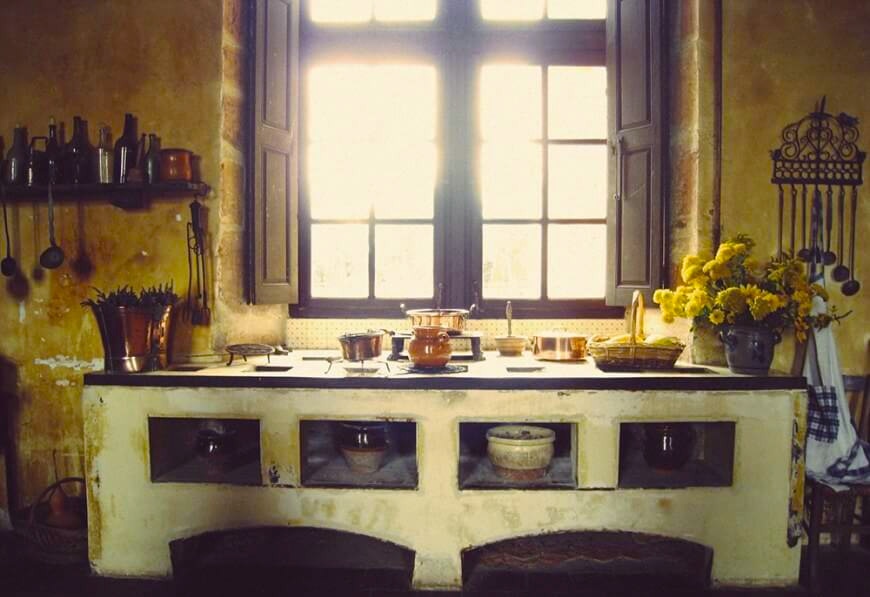
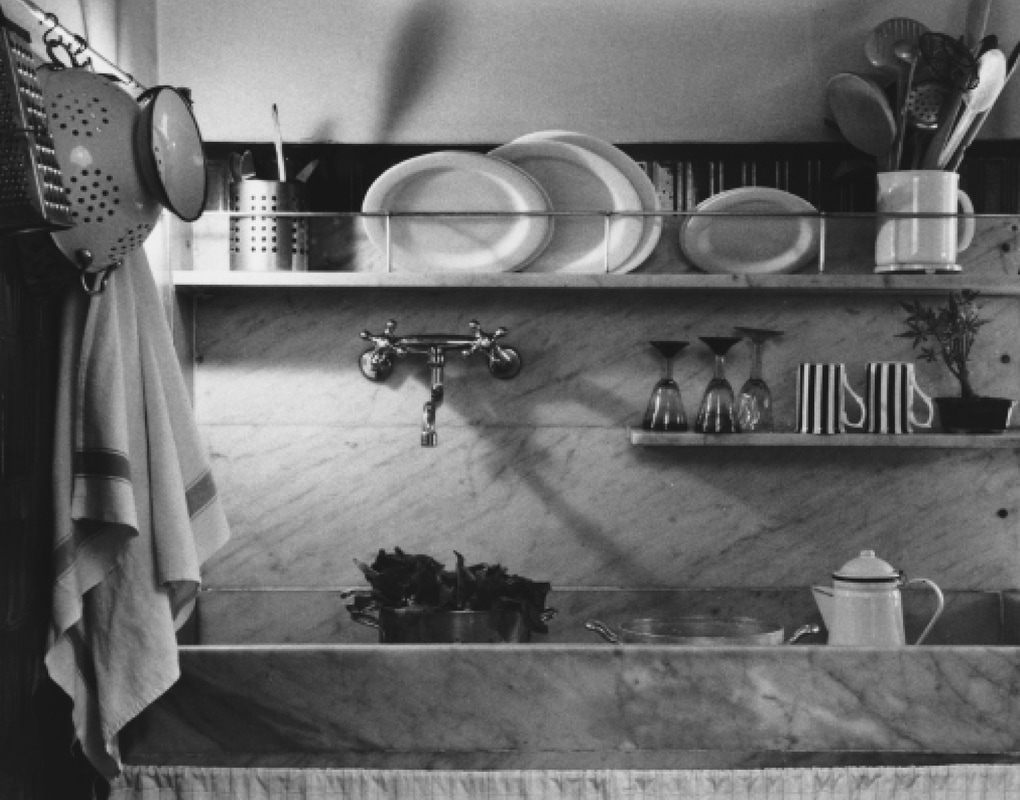
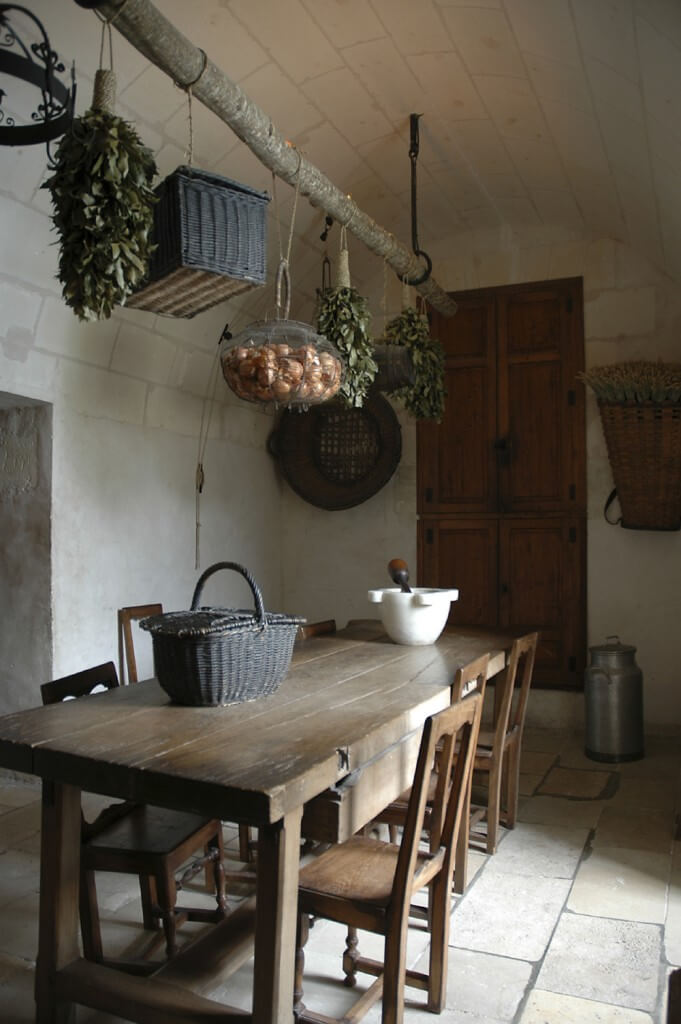
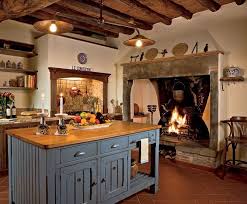
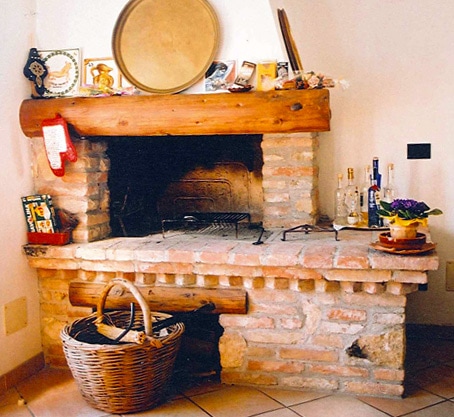
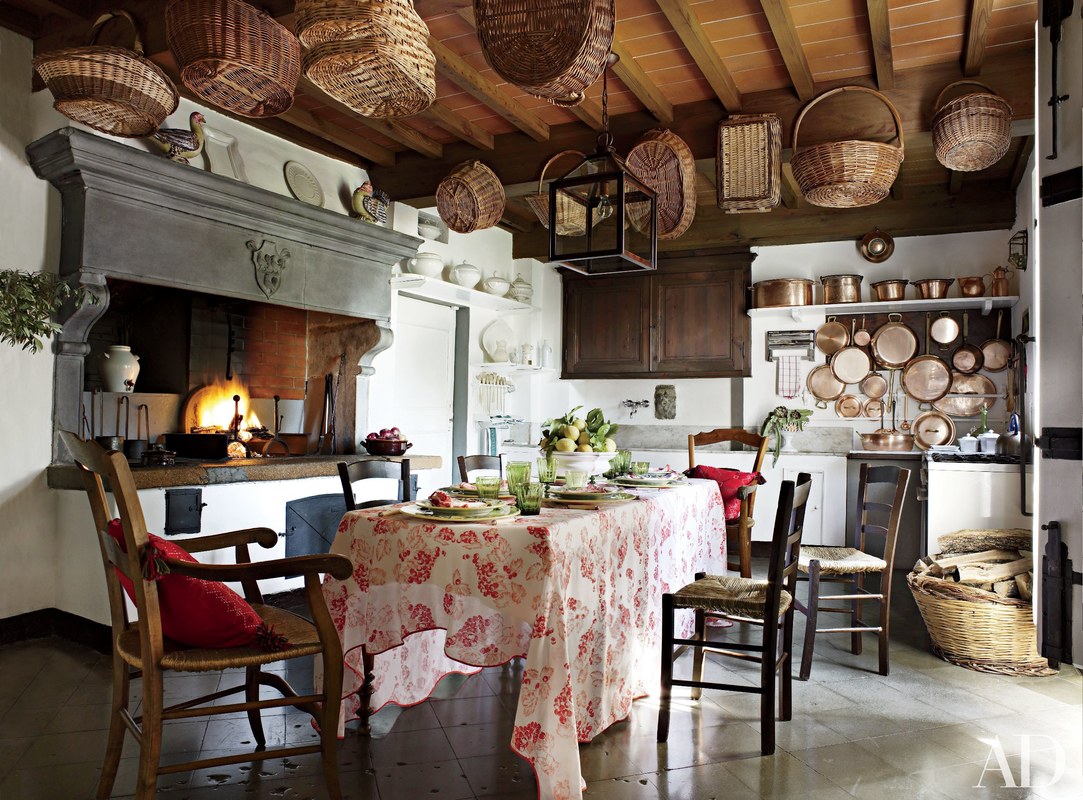
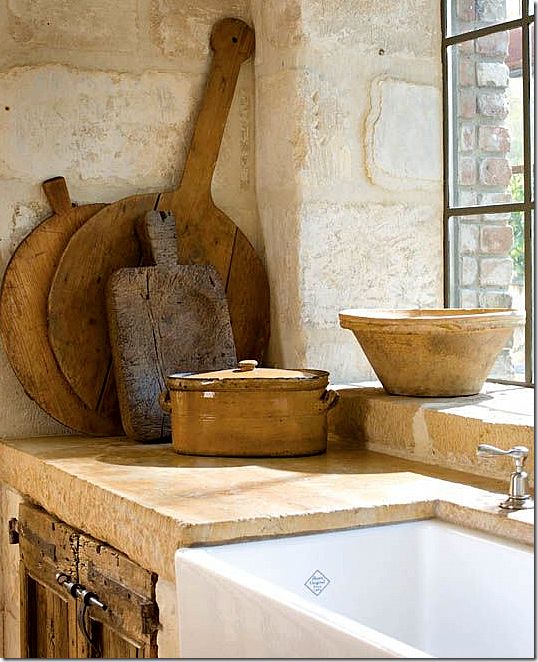
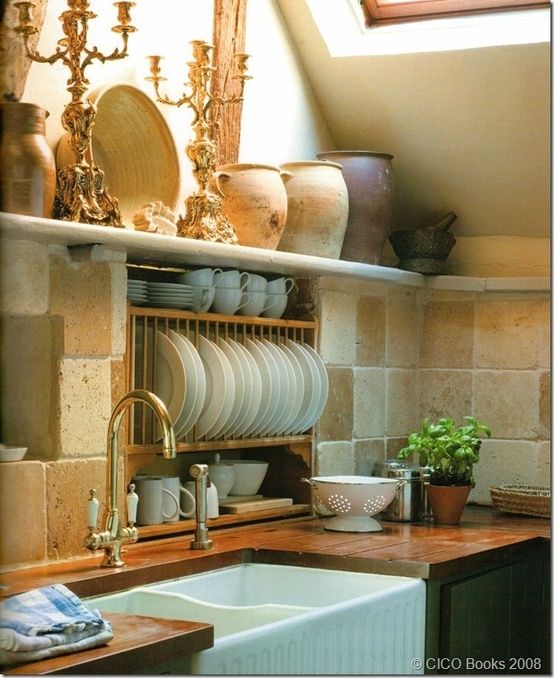
When we traveled through Italy, we fell in love with the style of la Cucina Rustica (the Rustic Kitchen), which still influence modern kitchen layouts. Stone, brick, tile and terracotta are the main materials used for sinks, counters, floors and other structures. If there is stone or brick in the structure, exposing them adds to the feeling of warmth. Wood beams on ceilings of above a hearth is almost a requirement. Often a modern cooktop and small oven (by American standards) are complimented by a propane tank and gas burner set into iron legs or an wood coal heated grill built right into the walls of the structure. There are many Cucina that have large and deep cooking hearths where pots would hang for cooking and baking. Modern farm style apron sinks popular today are mere great-grandchildren of the one piece carved and decorated marble or travertine sinks found in vintage Italian country kitchens.
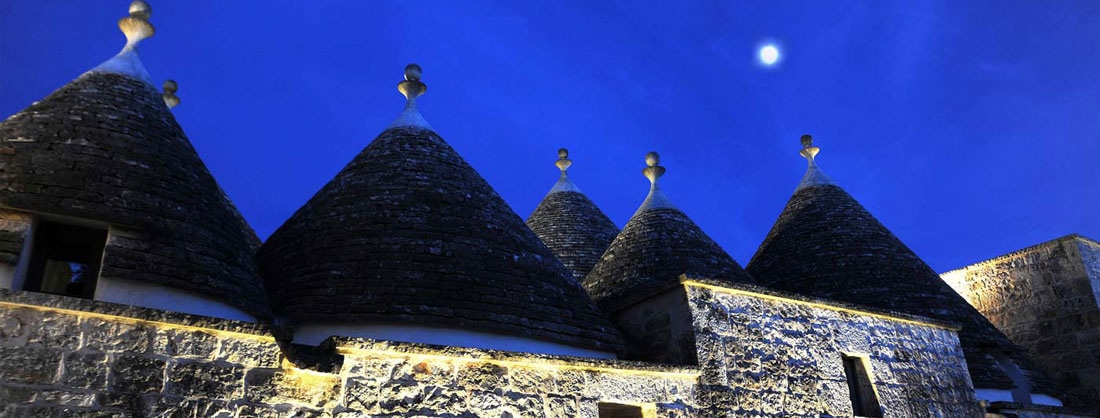 Pointed roofs of Trullo Gallo Rosso Pointed roofs of Trullo Gallo Rosso
The two photos above were taken in Trullo Gallo Rosso, a wonderfully restored compound of trulli that he runs as a B&B in Puglia. Our host Hugo prepared fantastic breakfasts in his own version of a Cucina Rustica. The property was originally owned by his grandparents and still contains treasures from his Nonna's cucina as well as well as keeping alive the traditional food.
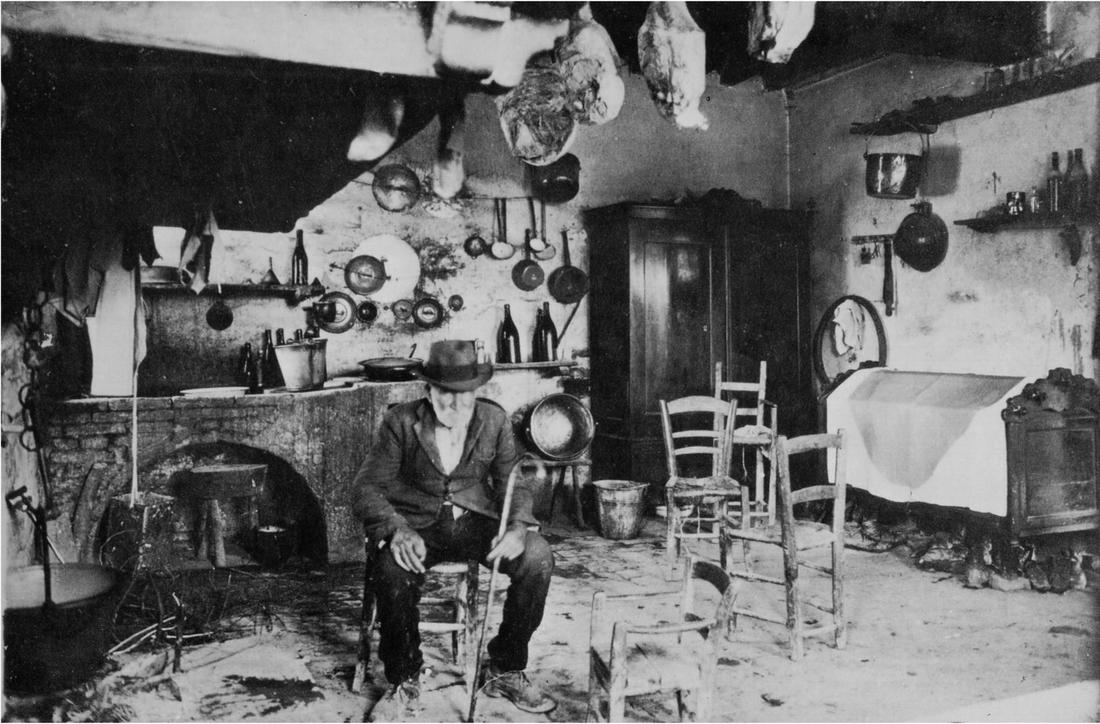
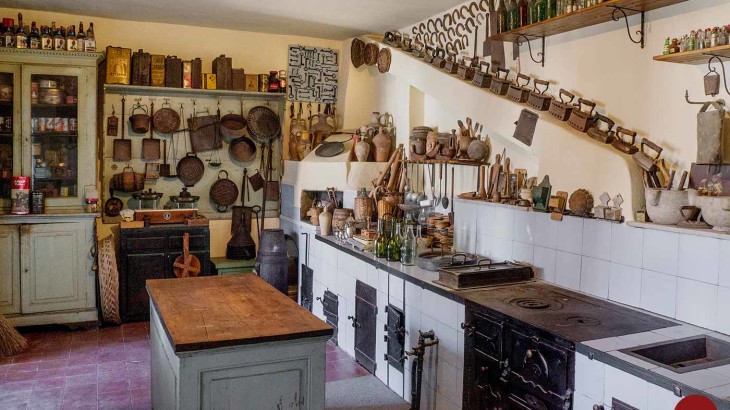
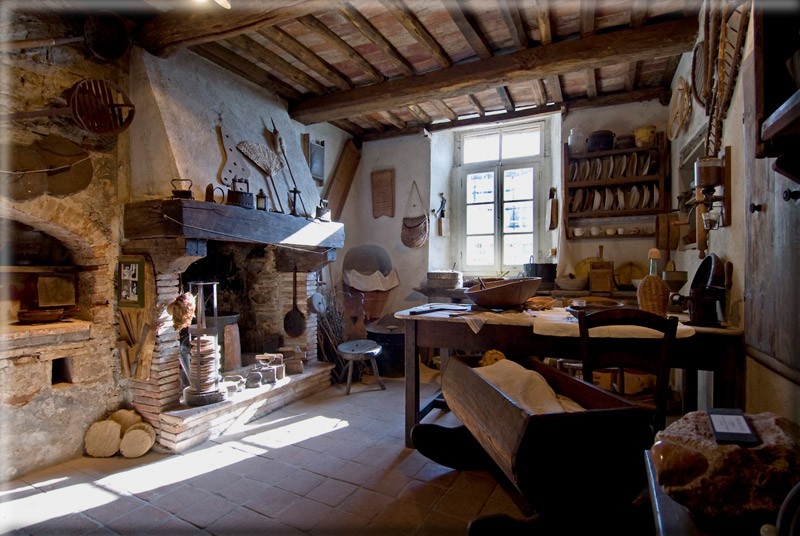
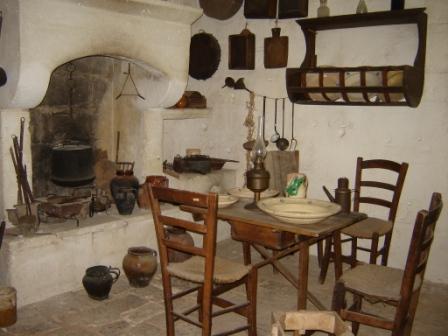
A look back in history at a typical Cucina Paese. It was a place of warmth in winter, making pasta, cooking, drying clothes and hanging prosciutto.
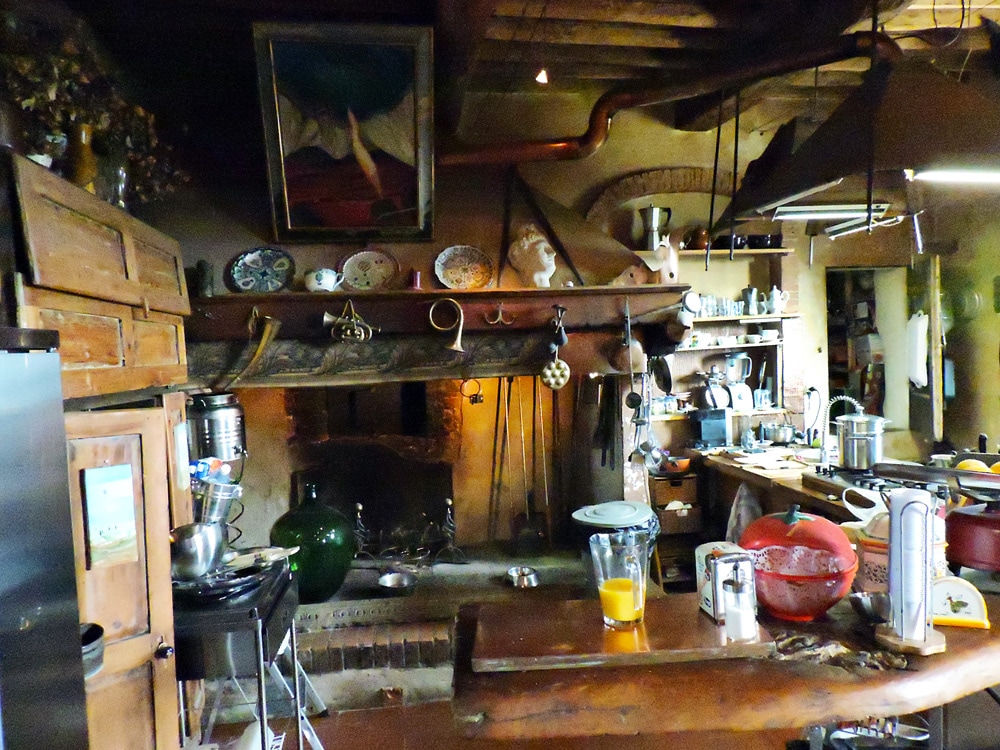
The character and charm of Gianna's and Stefano's Cucina
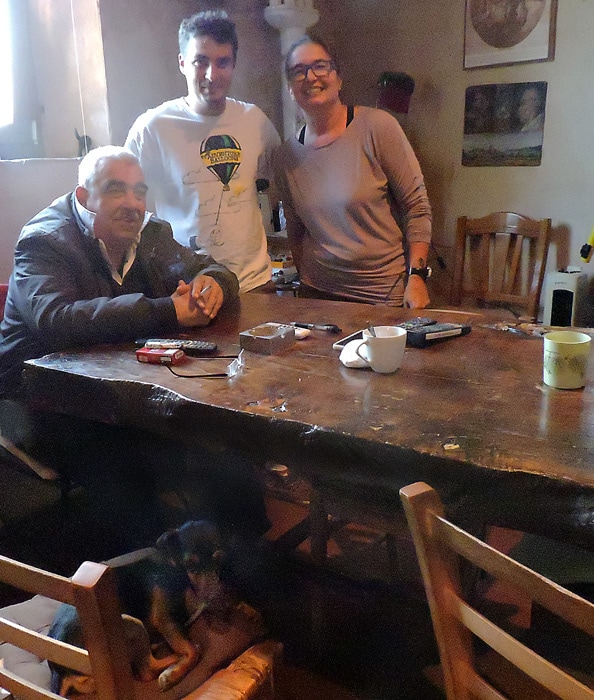 Stefano, his co-pilot Roberto and wife Gianna Stefano, his co-pilot Roberto and wife Gianna
The photo above was taken in the Cucina of our hot air balloon pilot's home in Tuscany (Idea Balloon Tuscany). Gianna and Stefano made us feel right at home, sharing wine, sausage, bread, cheeses and other treats... along with being able to scratch the bellies of their many pooches. Stefano told me that he had done much of the carpentry himself--the hand hewn thick walnut counter in the foreground can rotate to the other side of the kitchen via a floor-to-ceiling huge pivoting post. And just take a look at the kitchen table he built.
Even modern Italian kitchens don't need a lot of space. The fridge is small because most people pick up fresh food from markets and shops pretty much every day. There are less cupboards because Italian cuisine requires less equipment to prepare and cook and serve the foods. Their meals are simpler--small breakfasts and dinners--because pranzo (lunch) is the main meal of the day during the 2-3 hours riposa. Coffee machines are rare because most people prefer making espresso with their little Bialetti Moka pot. So open shelves are plenty for storage. One more element that might be overlooked is indoor shutters--in Italy, used to shut out the light and heat during the midday riposa.
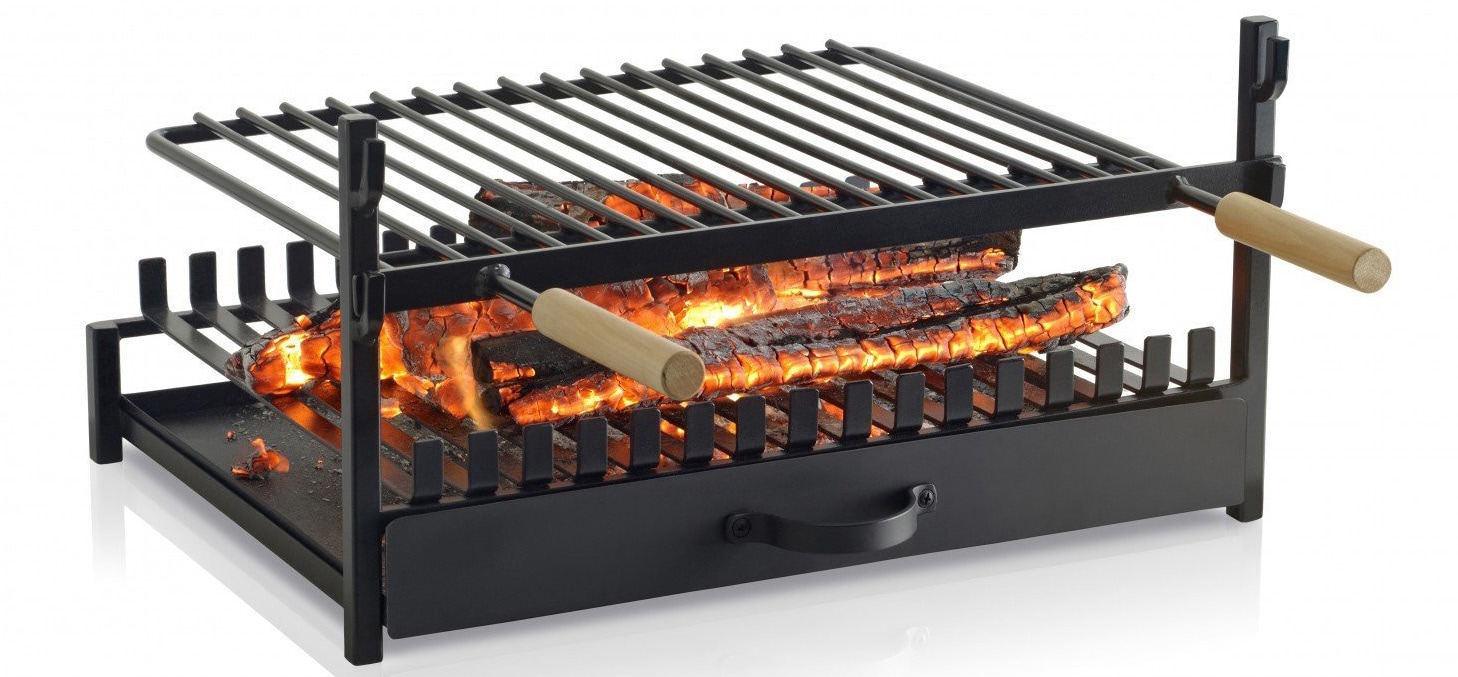
With the addition of a BBQ/grilling rack, a simple raised kitchen fireplace can be turned into an Italian indoor grill
Finishing touches and accessories to complete the
Cucina Rustica look...
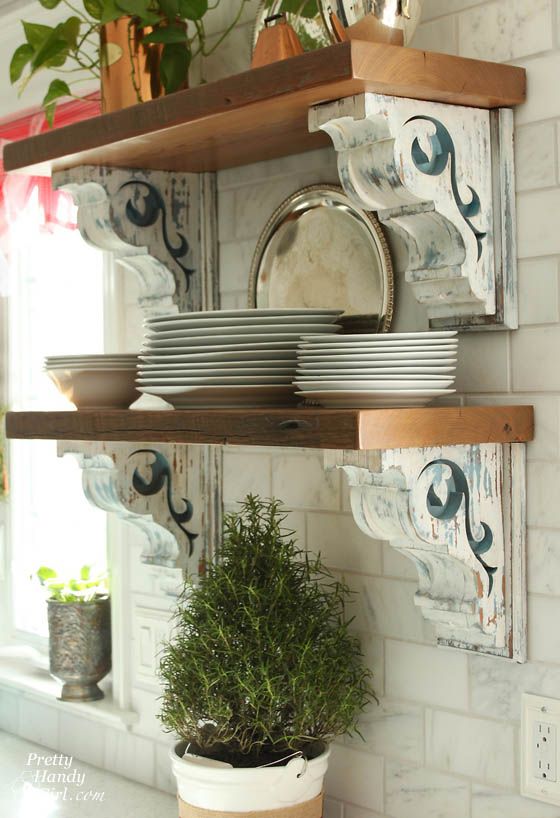
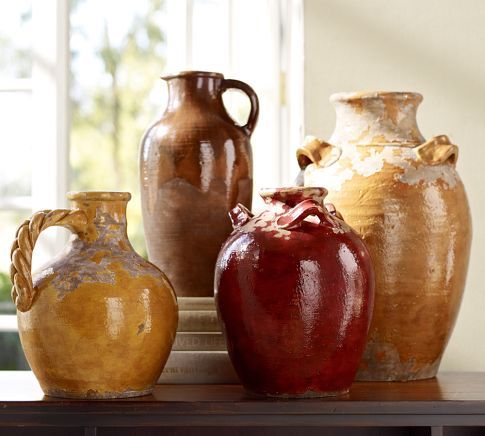
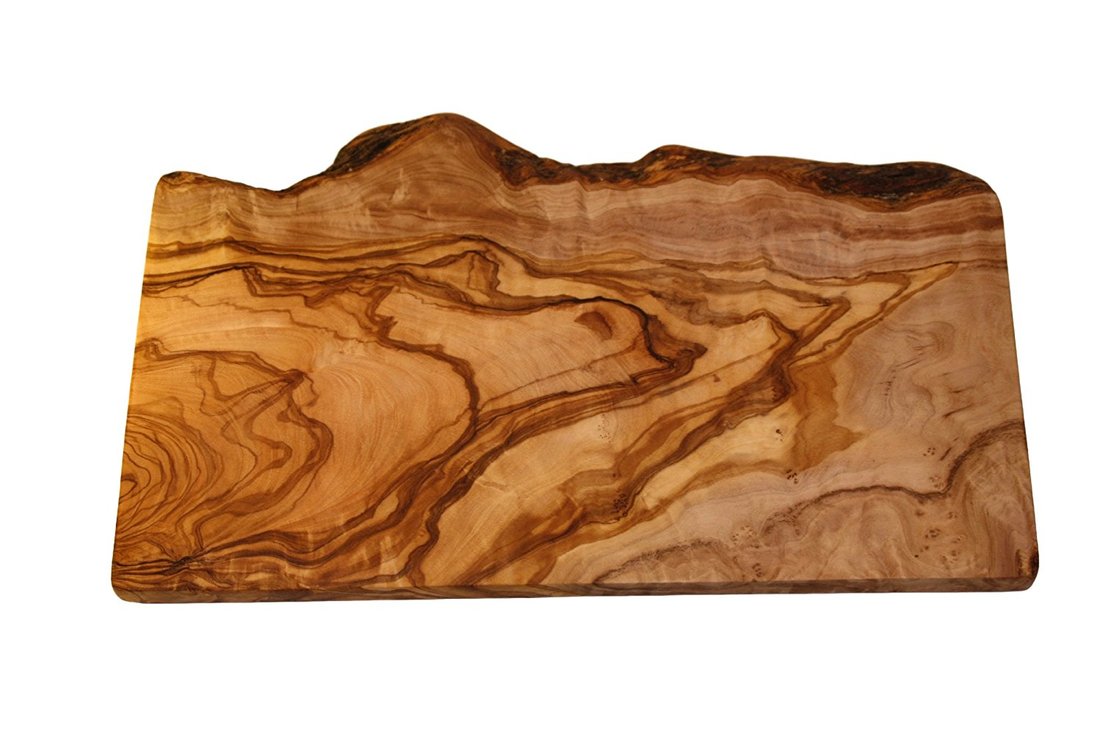
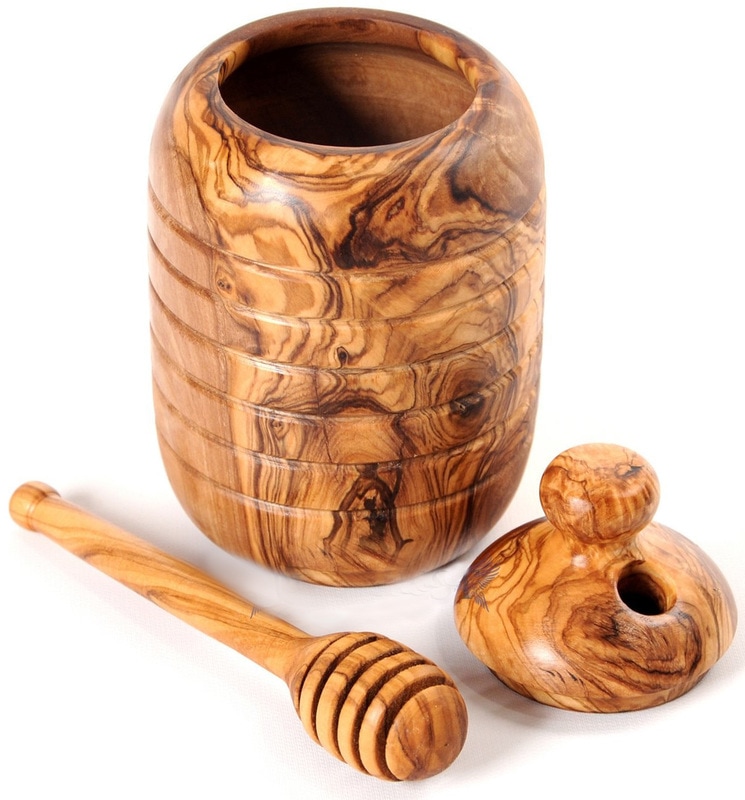
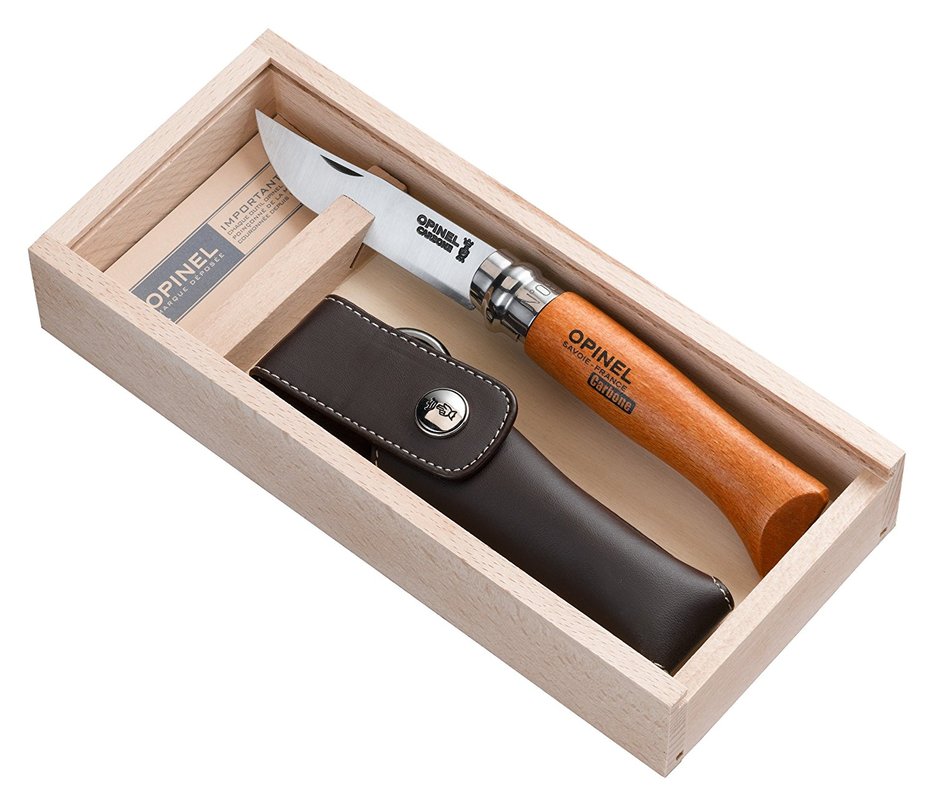
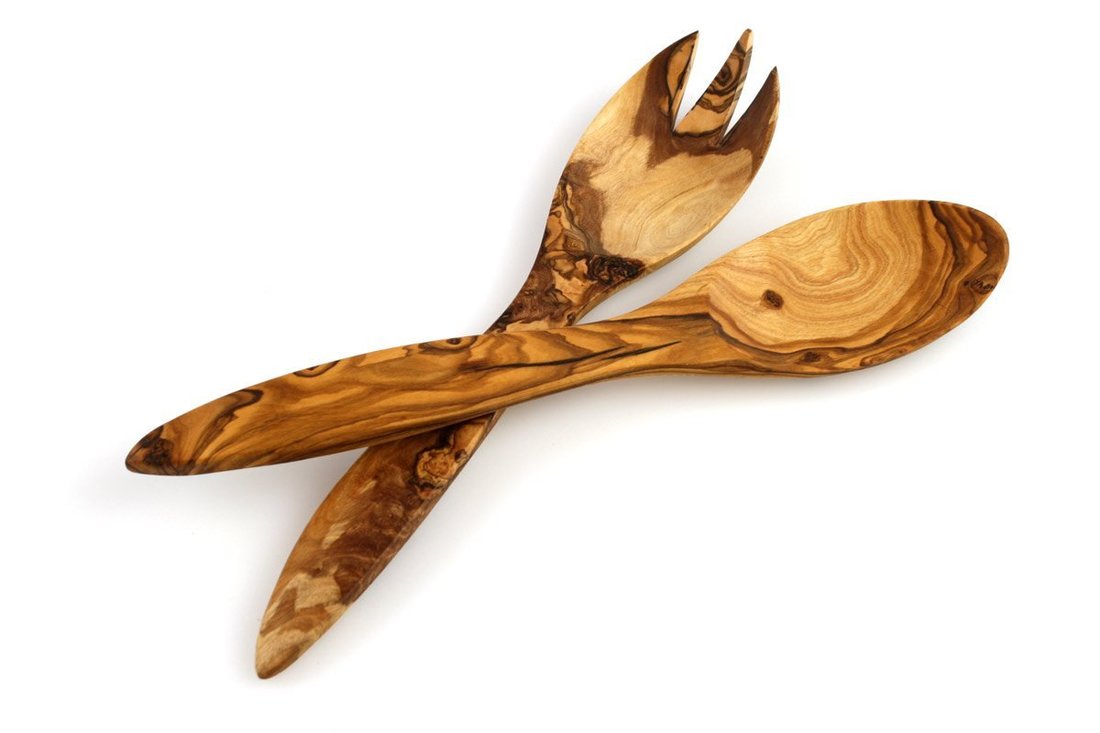
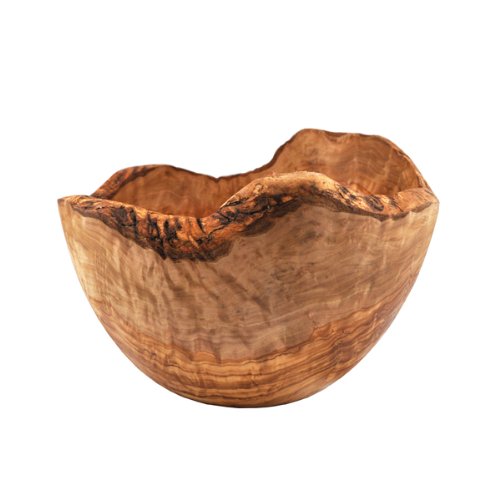
To finish off a Cucina Rustica, you need accessories that not only look the part, but function well. After all, simplicity is the key in Italian cooking and kitchens. Great, long lasting pots hanging on a wall rack, good quality knives, storage jars and jugs, cutting boards and pizza peels, pasta bowls, a wall rack with your most used kitchen tools and of course, the ubiquitous Moka pot to make your espresso. I'll finish off with some ideas to inspire you in creating your own Cucina Rustica with some recommendations from Amazon products...
Buona cucina! --Jerry Finzi
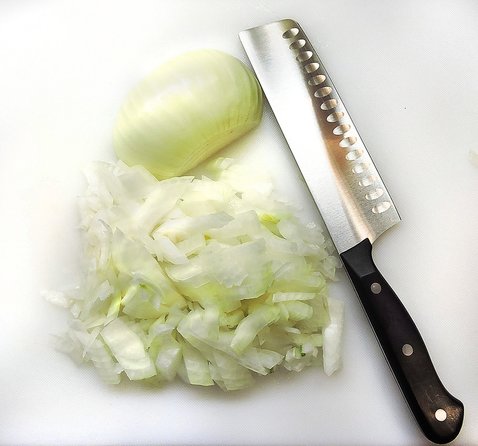 I've learned things in my many years of cooking... and I'm still learning lots of tricks and shortcuts in nella cucina. From time to time, I'll be passing long these Kitchen Hacks you our fellow Voyagers to help with many cooking tasks... As you can tell, the first Hack concerns onions. There is a real science behind this Hack. Perhaps too much for the home cook to even want to understand. To boil it down: when you cut an onion, it releases sulfenic acid which then changes into other compounds as soon as they make contact with the air. These are the chemicals that burn your eyes so much. Some people think it's the variety of onion that makes a difference, but the more precise truth is that it's where the onion is grown and in what type of soil that matters most. Sweet onions grown in less sulfur rich clay soils in places like Georgia contain less sulfur to start with. All you really have to remember is to buy only "Sweet Onions" (this is what they are called in the U.S.). You will find them called Vidalia, Maiu Sweet, Mayan Sweet, Walla Walla, etc. Do NOT use the bagged, smaller sized "yellow" onions. These are storage onions, and as such, their level of sulfur compounds increase as they age and when cut, they really burn your eyes. Sweet Onions (we buy Vidalia unless making something requiring large amounts of onions, like French onion soup) are typically much larger and often a flatter, less round shape. They are also wetter than "storage" or bagged onions. As onions sit for long periods of time they dry out. The higher water content in large sweet onions help dilute the sulfur compounds. The dryer the onion, the more likely it will make you cry. Here's a ranking with the LESS TEARFUL types on top:
Good luck keeping those tears at bay... --Jerry Finzi As an alternative, try these pro quality chef's onion goggles.... 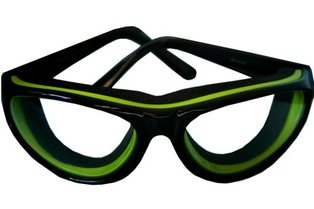
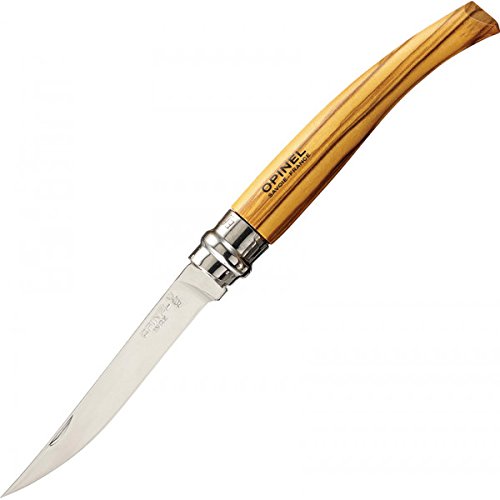
Laguiole Sommelier - Corkscrew 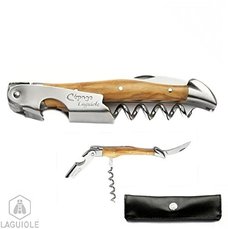 If you're discovering the world of fine Italian (or French, or even domestic) wines, you'll need to learn to open a bottle the way the professional sommeliers do... with a specialized device called a Sommelier. I bought my olive wood handled one in Alberobello, Puglia--the land of the magical Trulli pointed houses. One of the best to own is a Laguiole style... and this is a very good priced one. It has a cutter to slice through the foil covering the cork, a corkscrew and a two-stage lever for extracting the cork. Click the photo or HERE to see this on Amazon for $100.
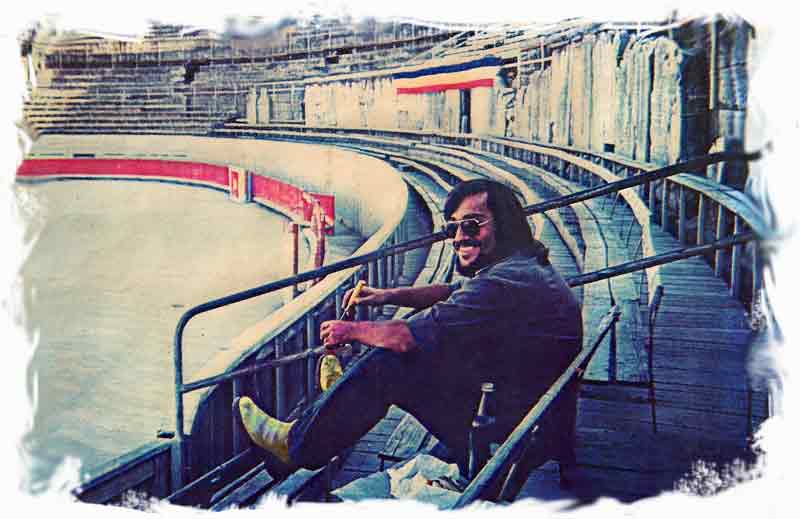
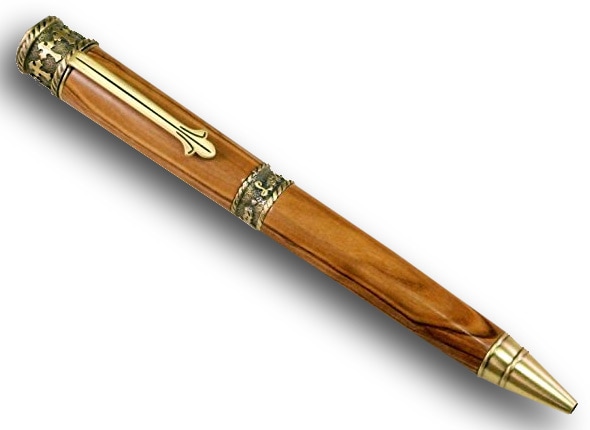
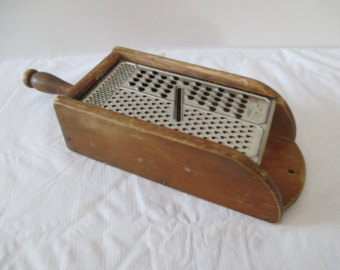
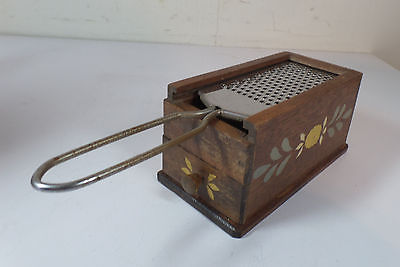
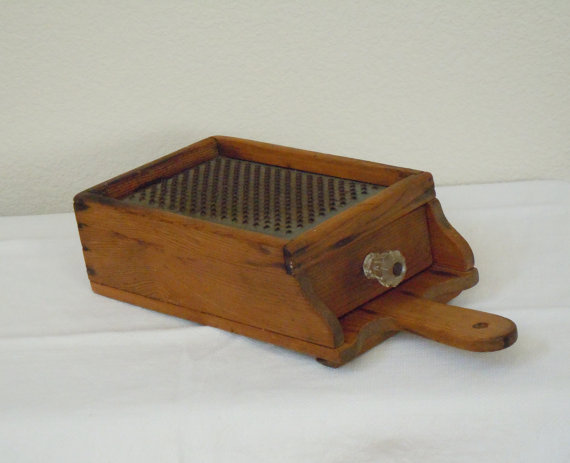
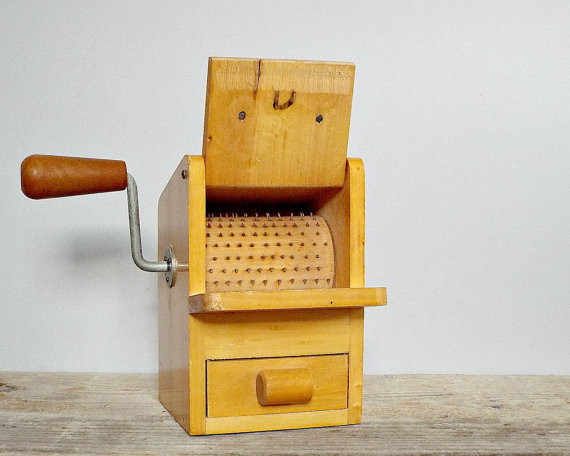
Mattarello/Rolling Pin 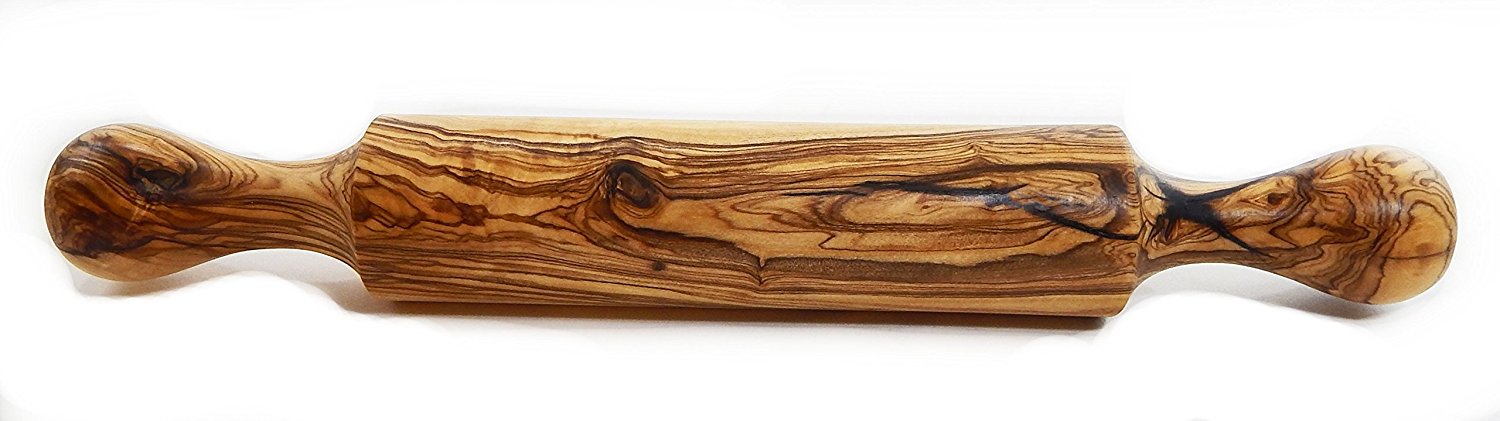 My wife Lisa gave me this as a stocking stuffer this past Christmas. It's a beautiful olive wood mattarello--a perfect small size (13") for rolling out pasta dough for hand made lasagna or tagliatelli. Being made from sustainable olive wood resources is a big plus in my book. Click the photo or HERE to see it on Amazon ($37) Authentic, Certified Jean Dubost Steak Laguiole Knives 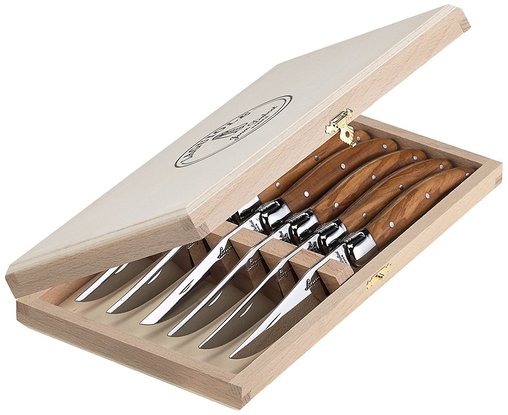 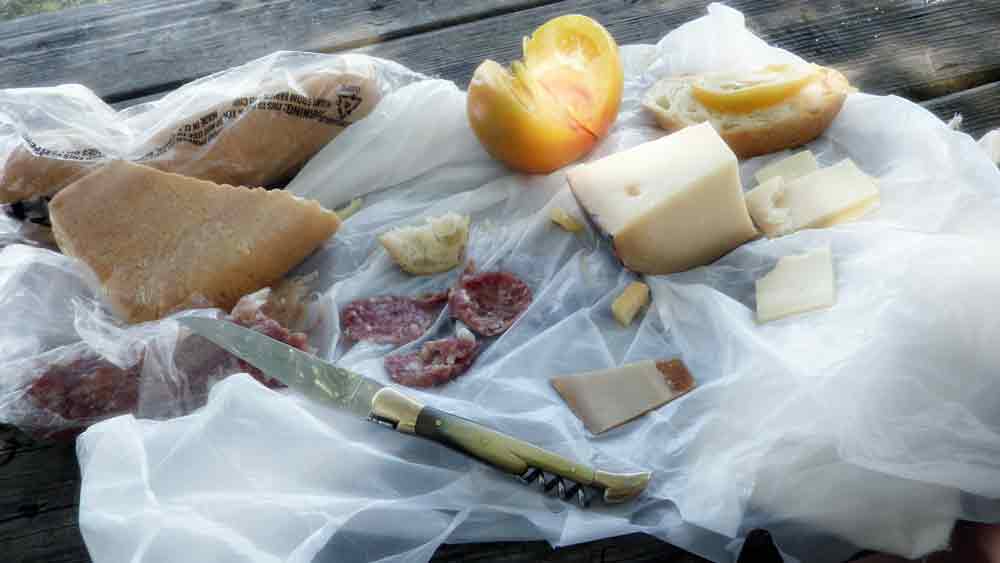 My "Honeymoon" Laguiole on the job My "Honeymoon" Laguiole on the job I have several Laguiole pocket knives. My first (with a fold-out corkscrew) was bought in Paris on my honeymoon, by my own honey as a gift to me. We had many picnics using that knife, both in France and Italy. I keep that one in my pocket every day. 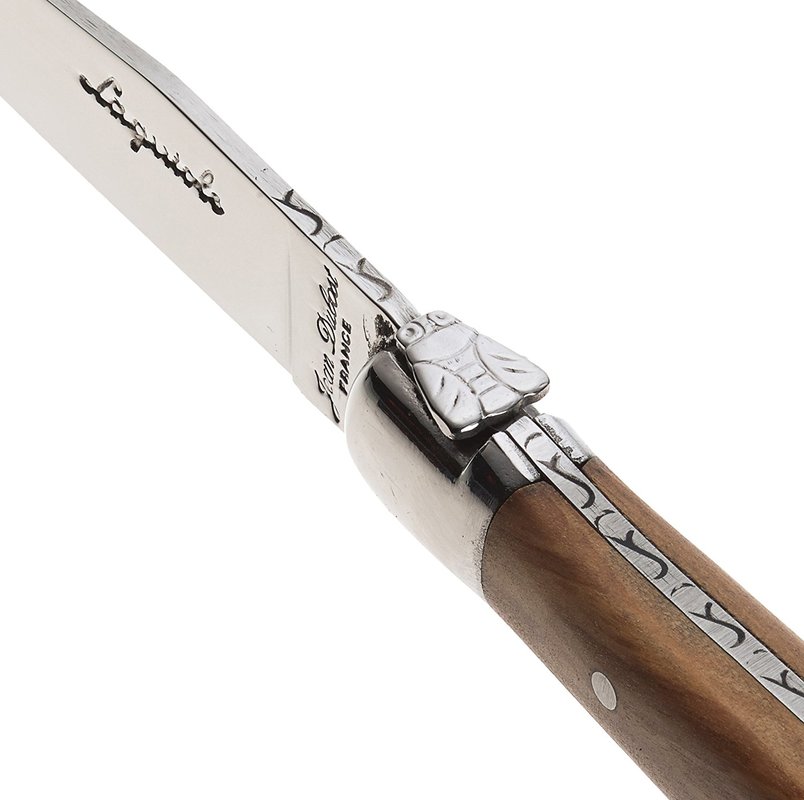 These are beautifully made knives that will last a lifetime. The boxed set of six steak knives pictured above are the original style--and high quality--made in Thiers, France. They are not the poor imitations made in China from inferior steel and plastics that you see in catalogs nowadays. And these all have the little bee on the shank of the blade in fine detail. Compare these to the cheap knockoffs and there's no comparison. The price reflects the quality. And to be clear, there is no such thing as a "Laguiole" brand... it is actually the name referring to the style (shape, design, quality) of knives made in the town of Thiers in the Auvergne region central France. The next time you try making a 4 inch thick, Bistecca alla Fiorentina over an open wood fire, you'll apreciate the feel of these blades. An investment of a lifetime, click the large photo above or HERE to see them on Amazon. ($390) When you think of it, there's nothing as timeless as olive wood. These trees have been around since before the dawn of man. The wood is sweetly scented. The oils are precious to cooks throughout the world. And there are trees in Italy that are monuments to their long lived species. Viva l'olivo... --Jerry Finzi Reminder: Support our site by clicking on the item you are interested in and then placing it in your Amazon Shopping Cart. You'll have 89 days to decide to purchase the item. We appreciate your support! Ciao, Amici!  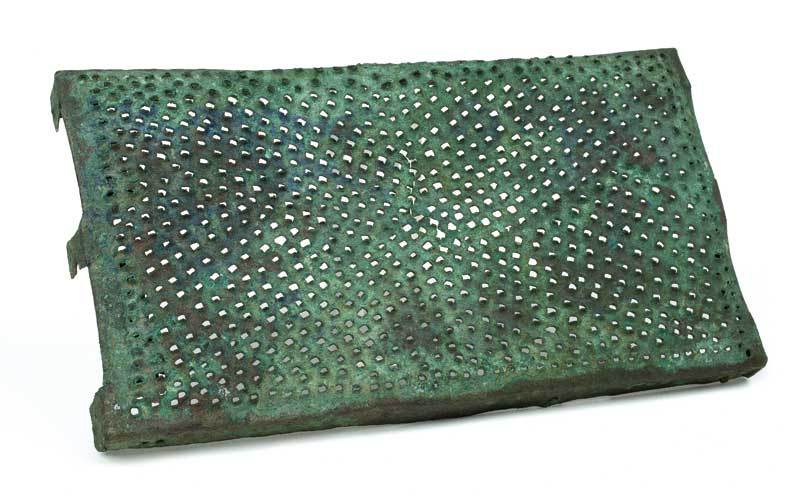 Roman Grater, 7th century, AD 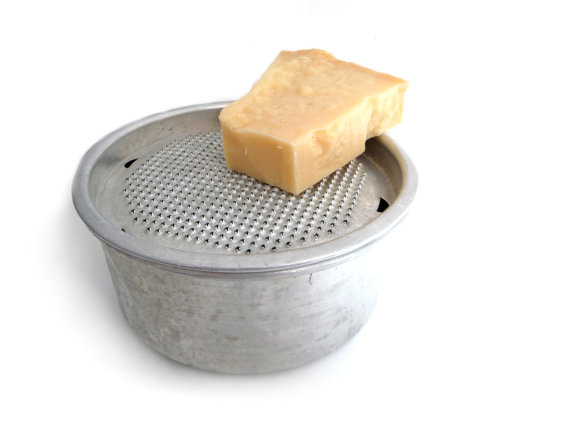 Mom's Grater Mom's Grater Whenever my wife grates Parmigiano Reggiano, she uses the same kind of cheese grater that my Mother used--a round, metal bowl with a dome-shaped grater on top. It only has fine holes--the type that grates the cheese fine enough to fit through the holes on the cap of of our glass cheese shaker jar. Watching Lisa shimmy and and shake as she grates away while I make out Saturday night pizza carries me back in time to our little apartment--Mom grating cheese while one of my sisters fills the "big pot" with water for Sunday's pasta and "Sunday Gravy" (Sugo). The nutty scent of grated cheese foretold of what was to come in the afternoon: meatballs, braciole, pork ribs and sausages. There's something a bit old-world and romantic about grating cheese. Perhaps because it's something that's rarely done in American homes, with plastic tasting jars of phony grated cheese on their tables. As for us, the only jar on our table is filled with cheese we've grated ourselves.... or Lisa, that is... --Jerry Finzi

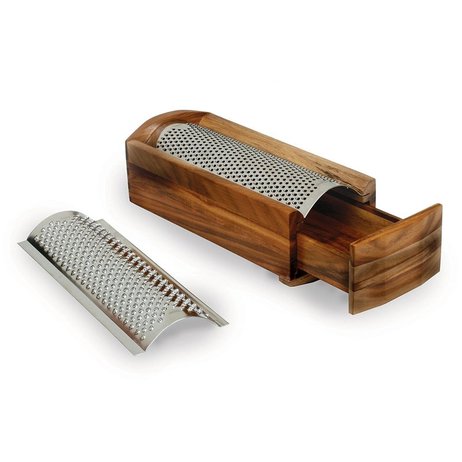 I like this Enrico 1005 Acacia Wood Cheese Grater and Shredder for $53 on AMAZON. Small enough to store easily, attractive enough to leave out on the kitchen counter and with the two most useful cutters included. --JF
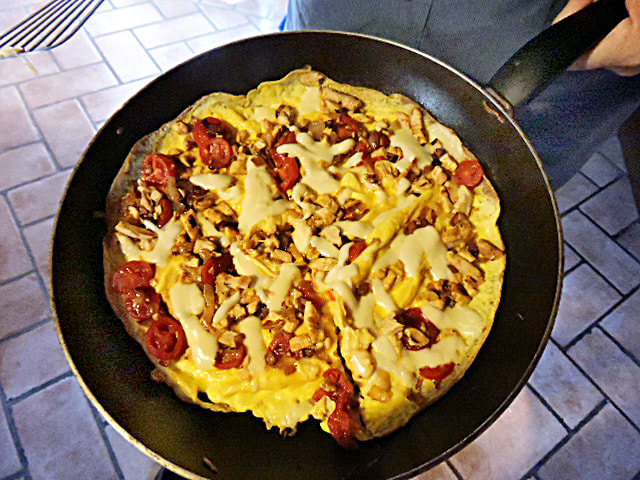 Returning from a Day Trip We decided that we were going to pick up supplies to cook with tonight after our trip to Florence and Fiesole. We tried to look for signs for a Coop supermarket or an alimentari (grocery store), but no signs and the only alimentari on the way back to Mormoraia was closed (at 5pm on a Saturday afternoon?), so we pulled on the side of the road and asked our GPS (Tommy) where the nearest one was. Niente closer that 20 miles... at least that's what he says. I don't trust him totally. After all, besides sounding a bit robotic, his accent is pure American! How much can he possibly know about local shops? He's just a tourist--just like us! So I figured that nearby San Gimignano must have an alimentari outside the historic walls... so we set course... 8 minutes away. We found one! A nice one too. Paper towels to use as napkins, cleanup and to clear my clay dusted rear window... eggs... sliced tachina (turkey)... brasciola (very thin sliced salt cured beef)... little tomatoes... onion... snacks... drinks...butter... half loaf of bread. We were set for dinner and breakfast--or so we thought. 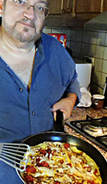 Another side hassle was that we were so chatty with the prospect of a home cooked meal combined with our friend Tommy not calling out turns for some reason as he usually does... we kept missing the turn-off out of town--four times! Sigh. (Our family travel theme song, to the tune of Beach Boys, I Get Around: "Turn, Turn Turn around, I turn around... Turn around, ooh..ooh...oooo... I turn around... I'm gettin' bugged drivin' up and down the same old street...") Back at our agriturismo apartment, we hunted for basics in our cucina cupboards. There were no staples typically found in these apartment or house rentals... salt, pepper, foil, spices, coffee, sugar, etc. So this meant that problem-solving Babbo (Daddy) had to fix this somehow--and we were not going to pay the 50 Euro per person for dinner in Agriturismo Mormoraia's little cafe downstairs! OK... boil water... cook bird's nest pasta we bought... frying pan... butter... slice up the brasciola (salty enough) into the pan. Lucas, sliced those little tomatoes and tossed them in... add some wine... reduce sauce... toss in a bowl and grate little piece of leftover pecorino cheese we had two days ago... butter the unsalted regional bread... pour the rest of the wine... and Presto! My new recipe... Pasta Pomodoro e Brasciola alla Babbo! Lisa and Lucas said it was one of the best meals here so far. Bravo, Babbo! On another morning I made a down and dirty frittata with the little we had in our Mormoraia pantry. Buono gusto!
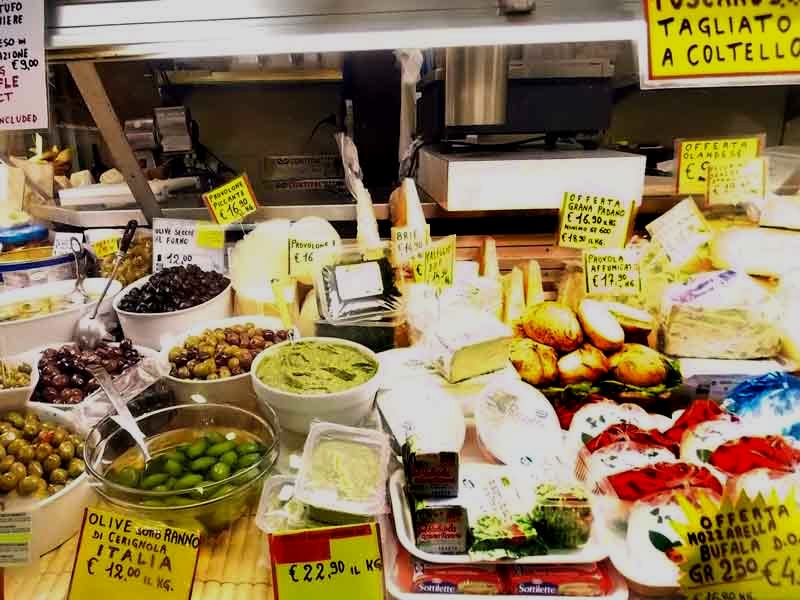 Nothing special... Just a typical display in a local alimenari! Nothing special... Just a typical display in a local alimenari! Getting used to Shopping in Italy At times we bought food at the large supermarkets, which had great cheese displays, not so decent breads, un-refrigerated milk in cartons (none cold), but lots and lots of produce. The fruits and veggies were very good for supermarkets, but the tomatoes disappointed me. They seem to be selling a lot of hybrid hothouse grown tomatoes (like "Tomatoes on the Vine" in the U.S.). Decent quality, but not organic, fresh picked or heirloom varieties. (As it turns out, Italians use SO MANY tomatoes in their diet, factory farmed tomatoes are the norm, although smaller markets may have Heirloom types). 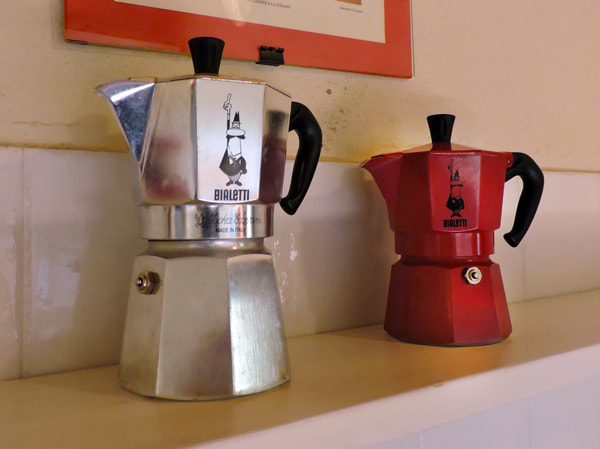 Great cheeses were something we could get anywhere--supermarket or alimentari. Amazing. Cacciacavalo became our favorite... a dumbbell shaped cheese with mellow, nutty flavor which went with everything. Any type of aged Pecorino was a close second. One of my favorite things became the millefiore honey... thick as jam and incredibly delicious on bread in the morning. It was also great with ricotta. (I was never really a fan of American style honey.)
Lisa also fell in love with making coffee (espresso, scusa me) in those little Moka pots. I'm sure Santa will leave one under the tree for her. I wish I had access to a pizza oven while in Italy. I would have loved to make pizza there... but heck, I discovered that I make pizza better than we had in most of Italy anyway. Cooking for ourselves in Italy became one of our favorite things, although Lucas always liked eating out in a new ristorante no matter where we were. Personally, I think he was starting to realize that if we ate out, he was guaranteed a visit to a gelateria afterwards! --Jerry Finzi |

Archives
July 2023
Categories
All
|