GRAND VOYAGE ITALY
  • Piazza
    • Older Posts
  • Travel
    • Our Family's Voyage
  • Cucina
  • Culture
  • History
  • Style
  • Photos
  • Videos
    • Music Videos
  • About
    • Survey
    • Links
  • Shop 🛒
  • Piazza
    • Older Posts
  • Travel
    • Our Family's Voyage
  • Cucina
  • Culture
  • History
  • Style
  • Photos
  • Videos
    • Music Videos
  • About
    • Survey
    • Links
  • Shop 🛒
We're All About Italy

Fotos

The Art of Presepio: Not Just a Nativity Scene

12/2/2017

Comments

 
Picture
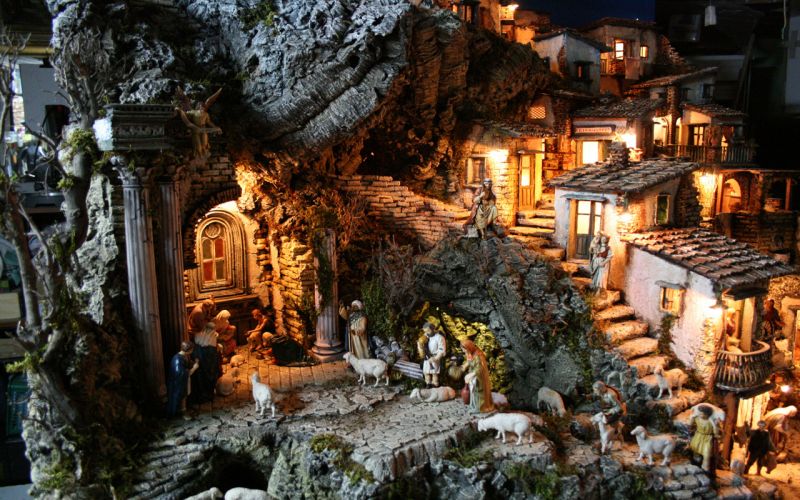
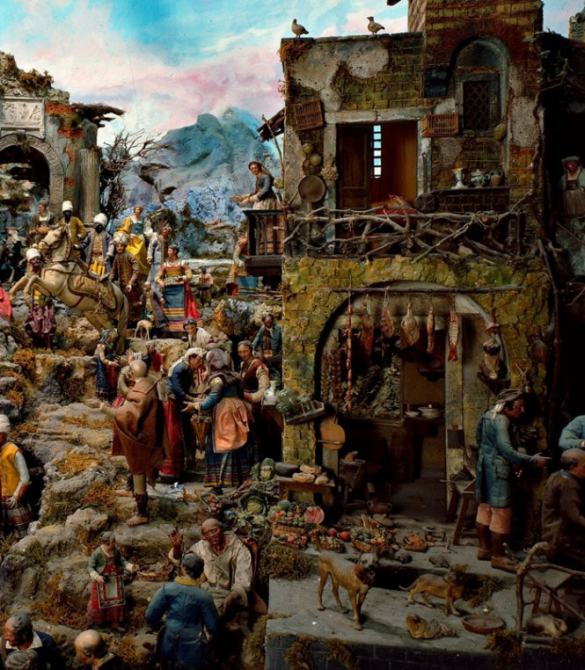
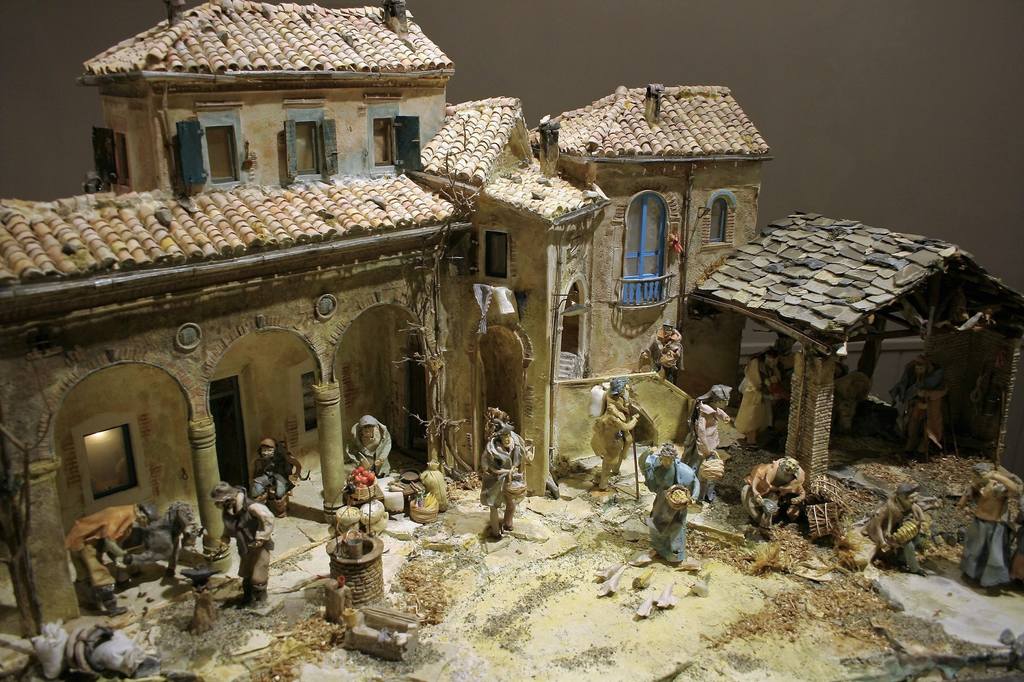
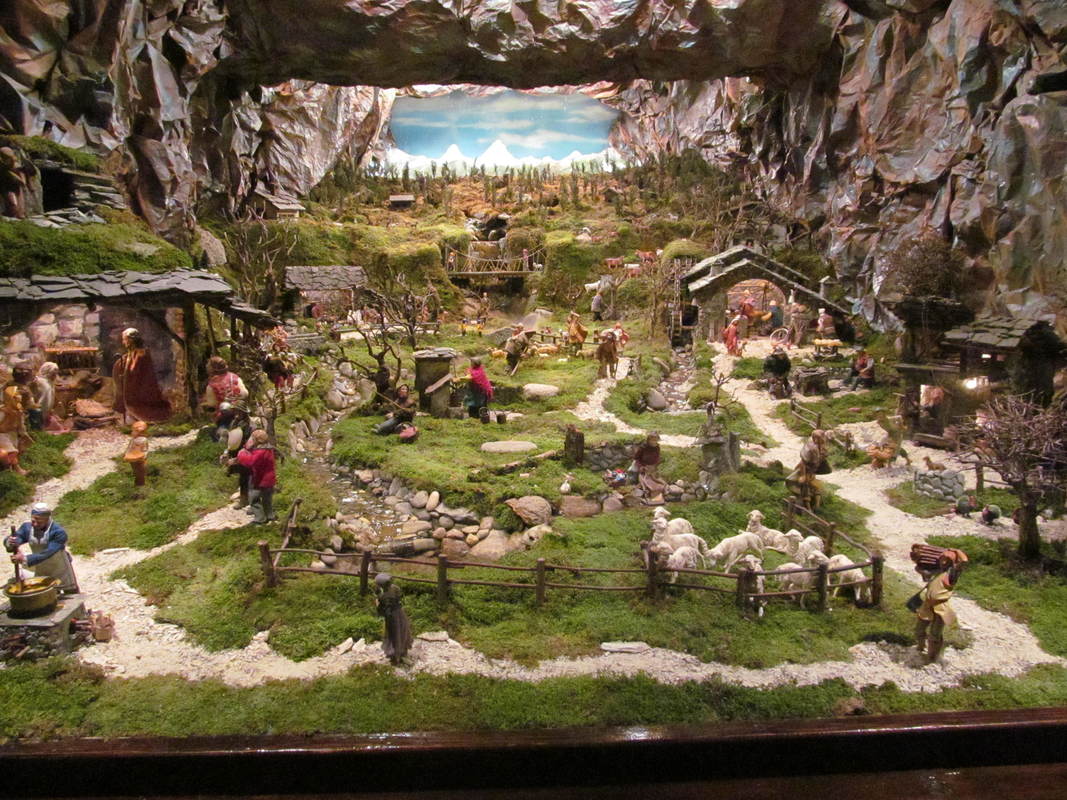
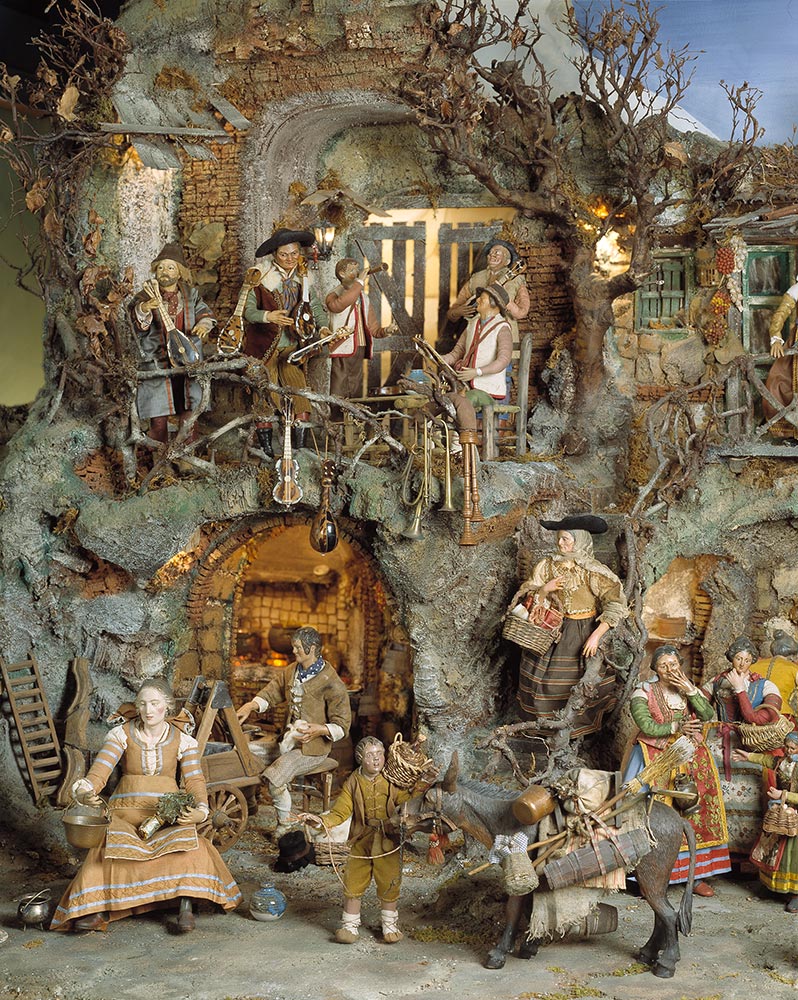
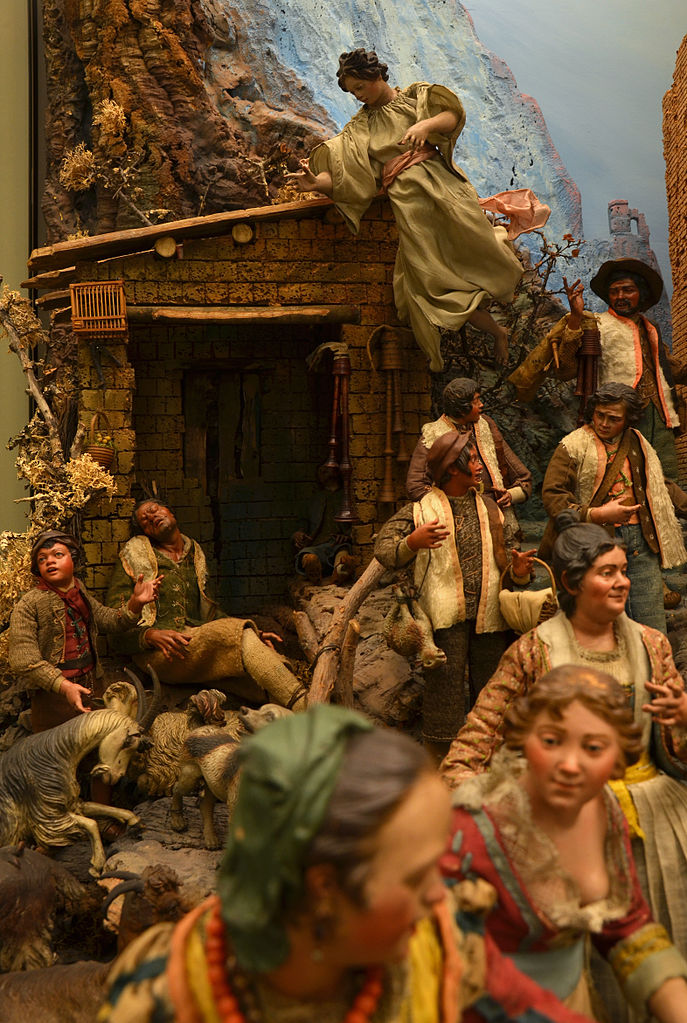
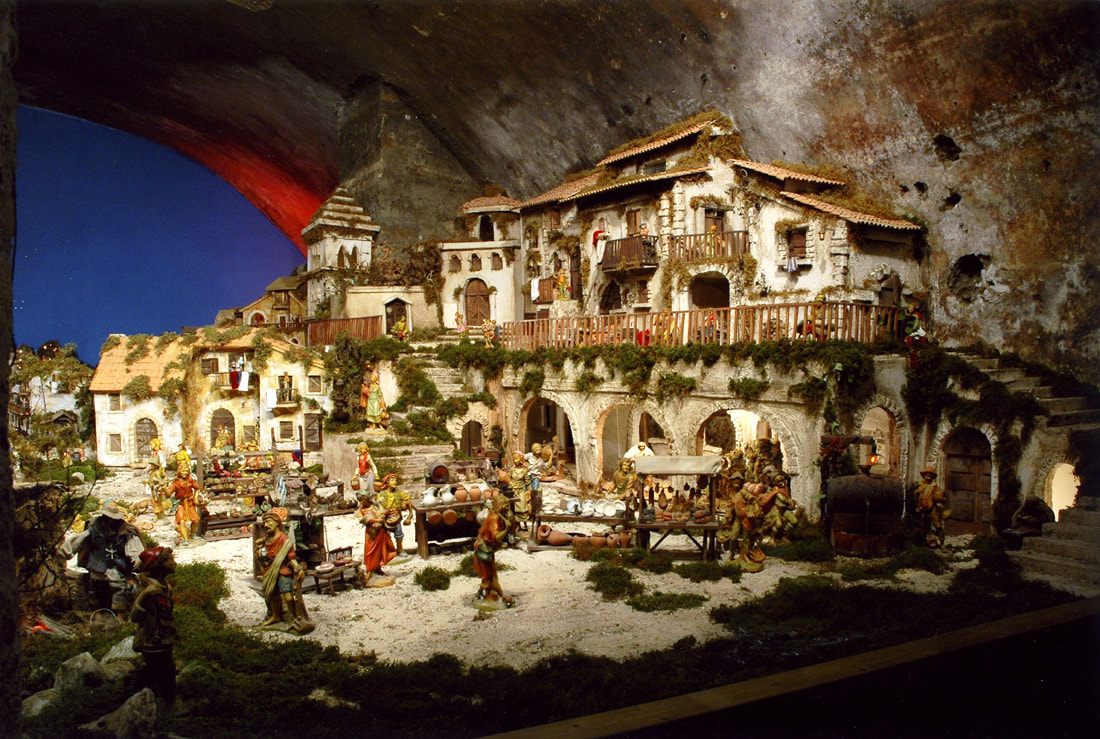
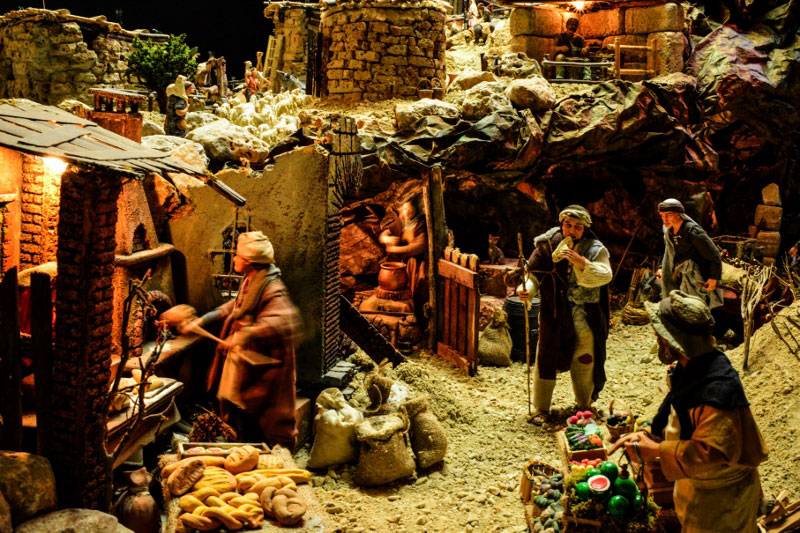
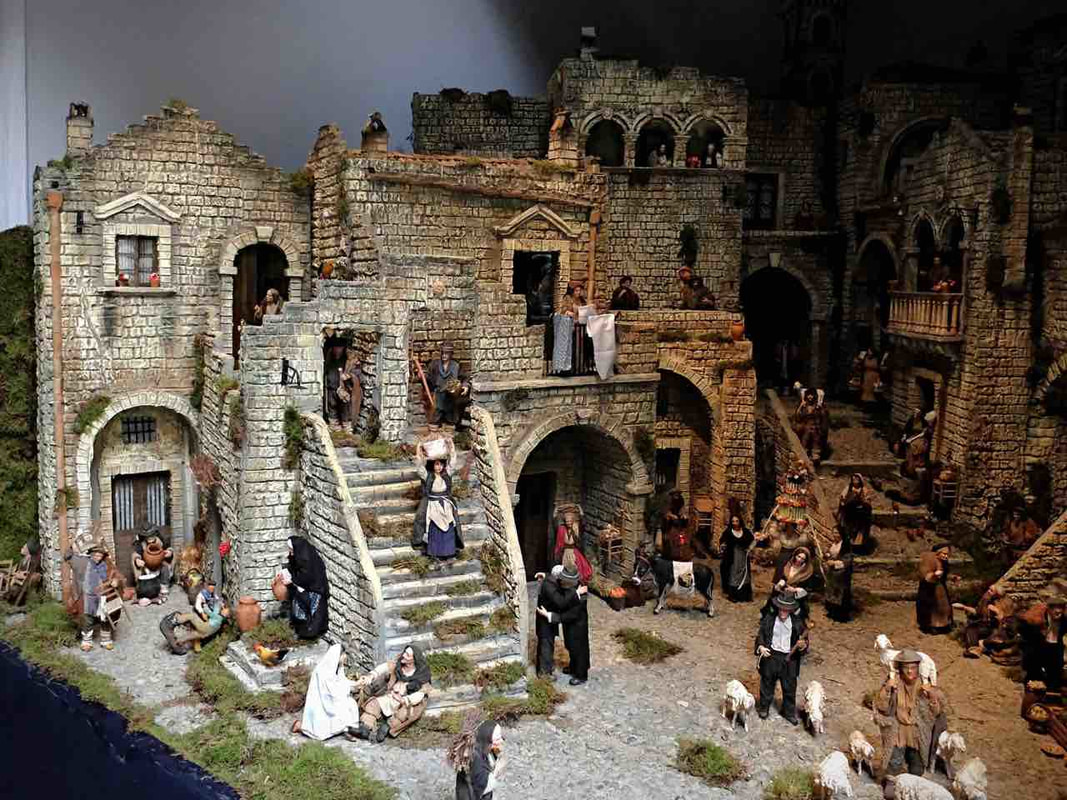
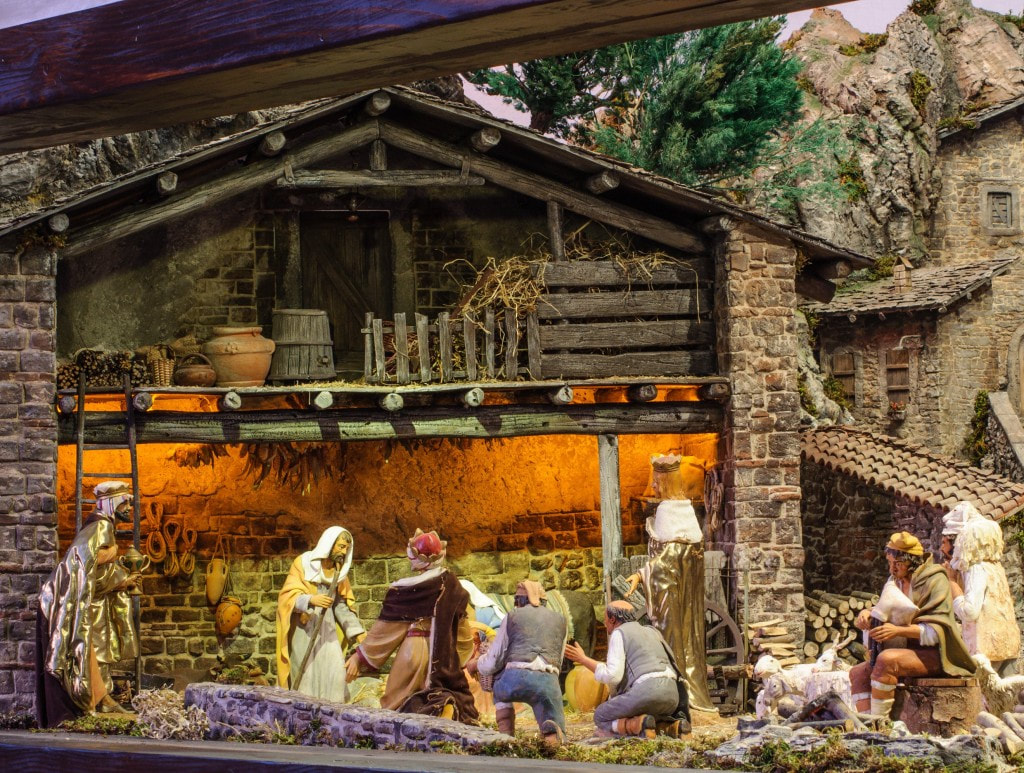
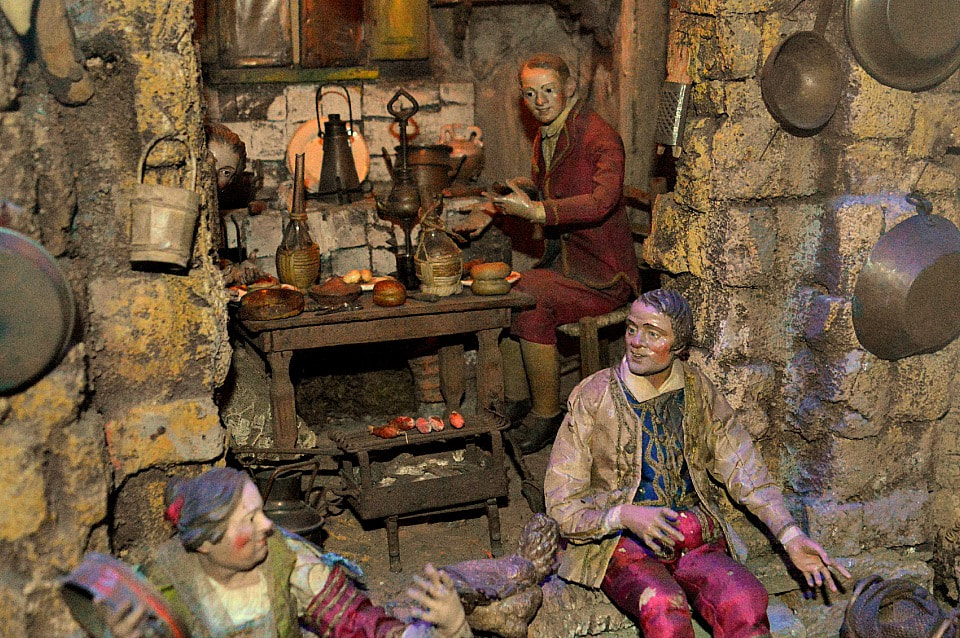
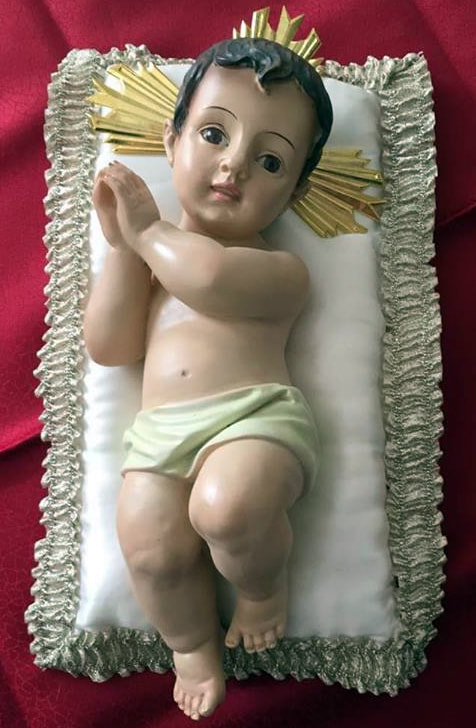
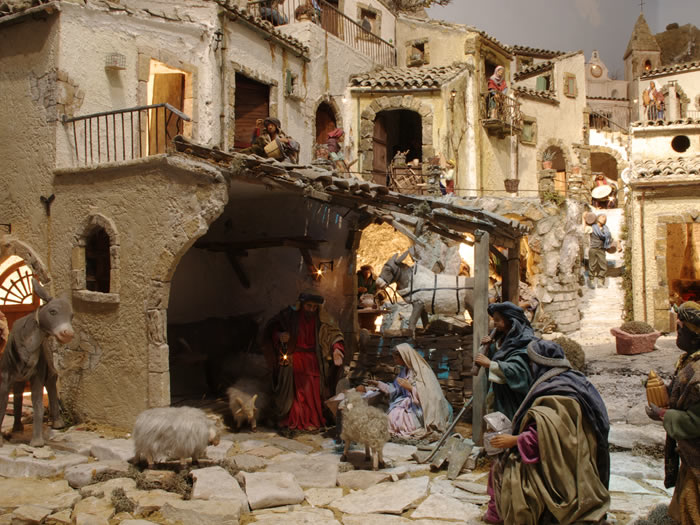
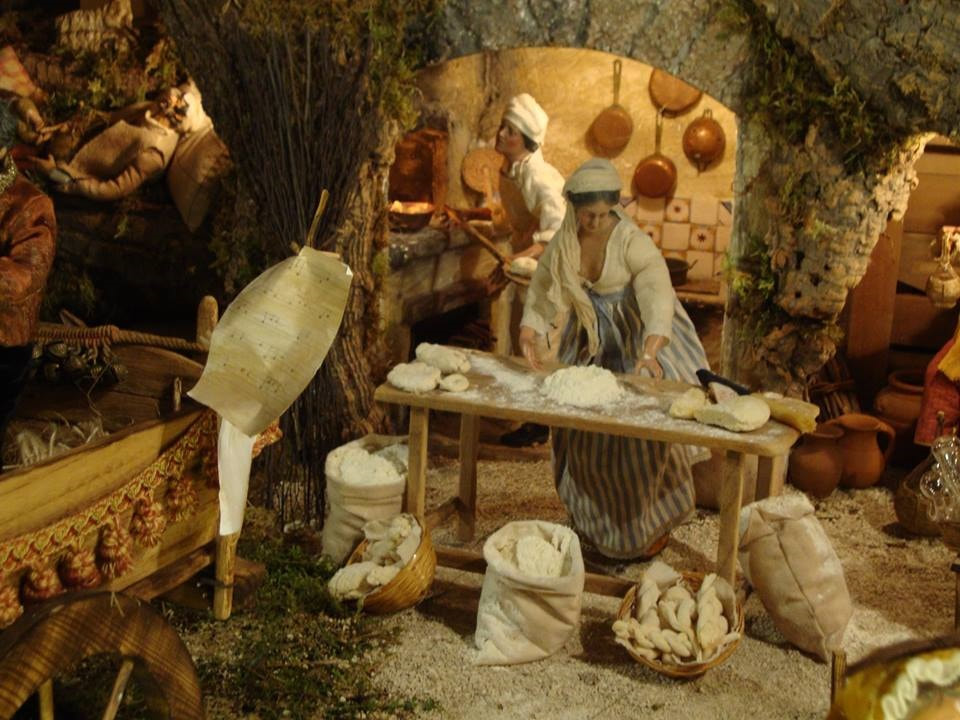
The presepio, derived from the Latin word presepium, meaning manger, has been the defacto symbol of Christmas for Italian families for dozens of generations, and in the South, perhaps as long as a thousand years. Of course, most Italians also have a modern Christmas tree, but the presepio in its simplest form is a tradition of  devotion representing the birth of the baby Jesus. These nativity scenes typically consist of a structure to represent the simple barn where Joseph and Mary were forced to give birth to the Son of God. An ox, donkey, angels and perhaps the three Wise Men are typically represented.

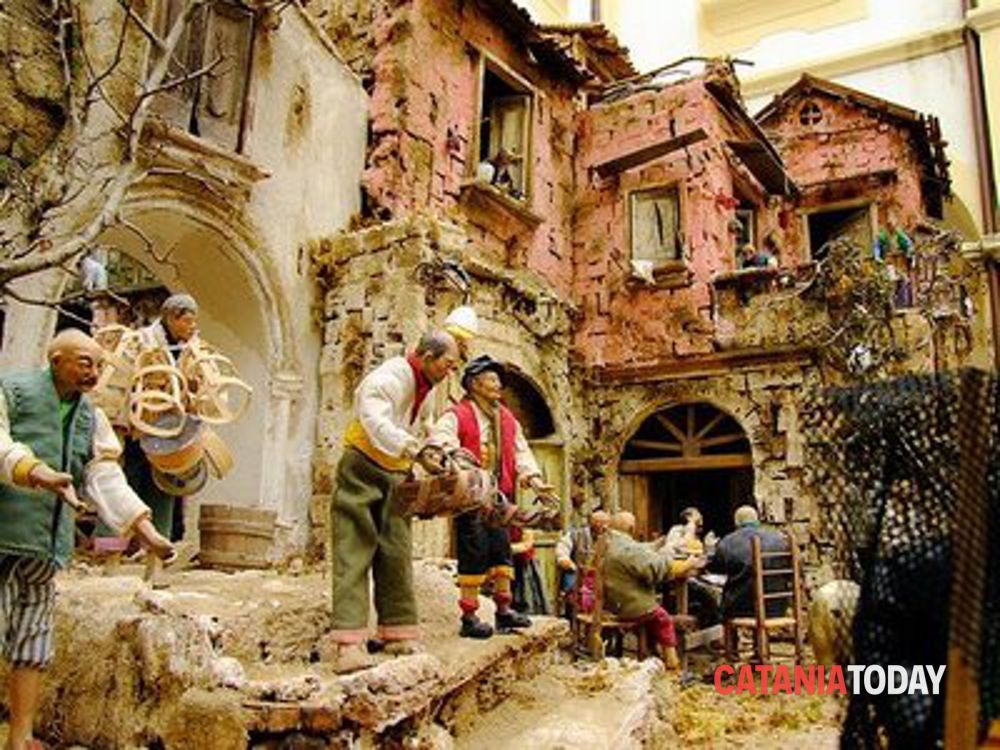
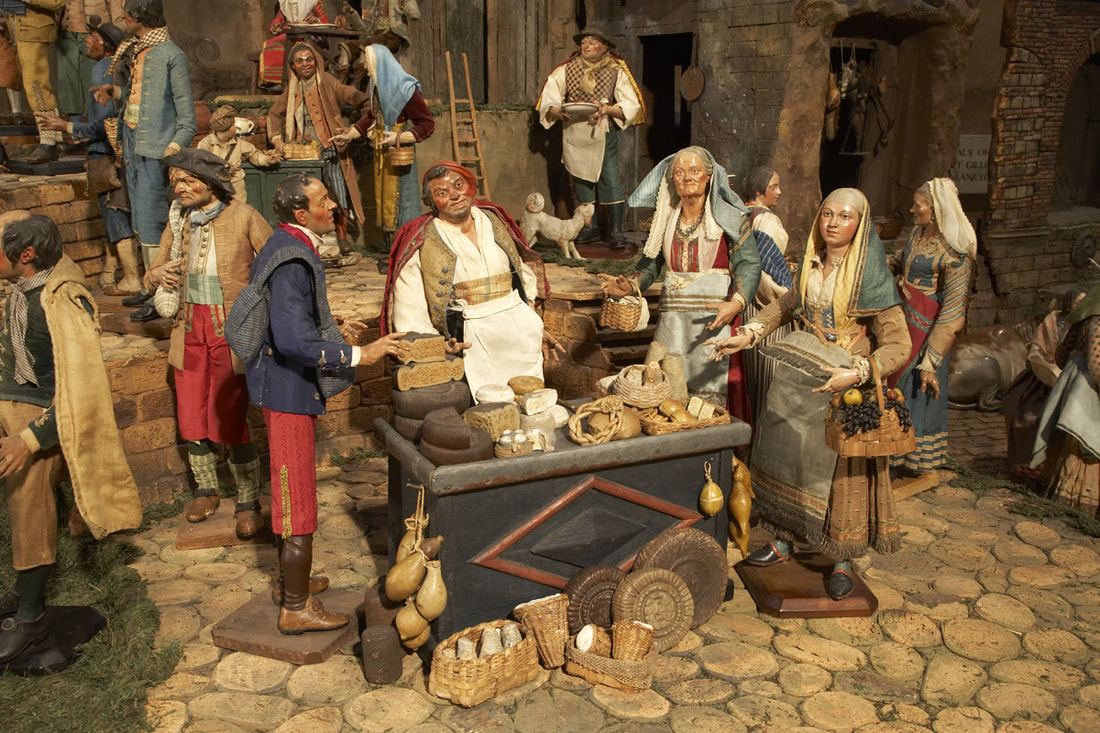
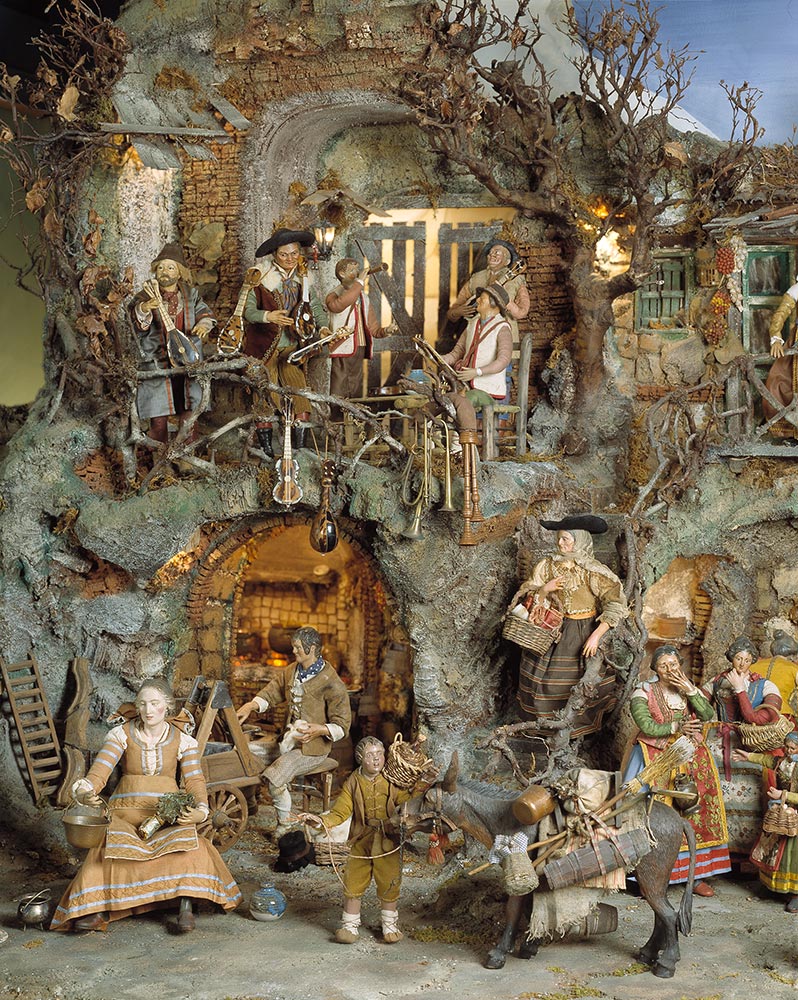
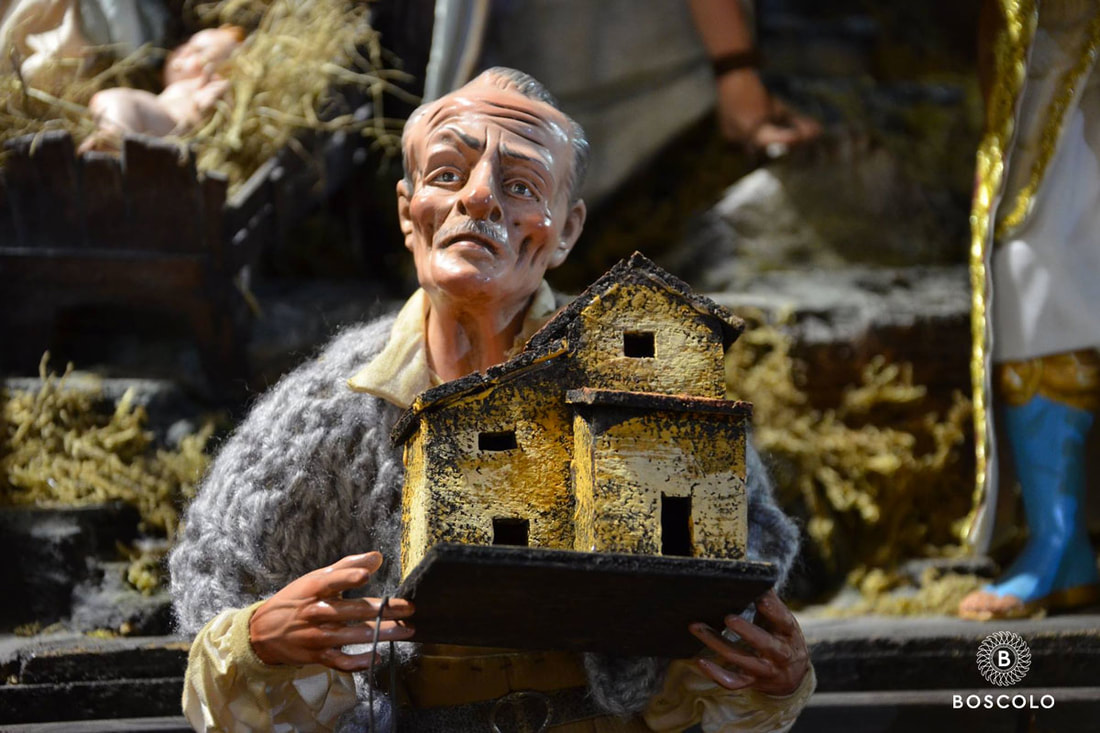
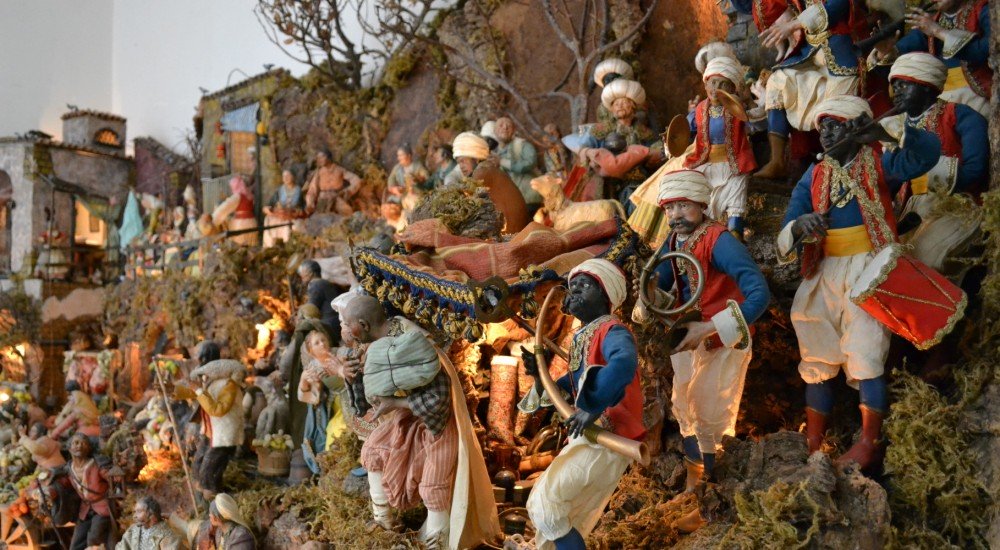
But the presepio is often much, much more, showing village scenes from every day life. Its components are mostly handmade from a variety of materials: wood, ceramic, cartapesta (Papier-mâché), terracotta and fabrics. Some scenes include small waterfalls or fountains, houses, buildings, mountains, trees, grottoes, livestock and vendors of all sorts. The details can be absolutely astounding.
Picture
Picture
Picture
There are some characters and elements that many deem essential to the tradition:
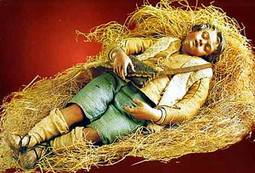
  • Benino or Benito: In the Holy Scriptures this character represents the “sleeping people to whom the angels announce the coming of the Christ”. Originally represented by a sleeping shepherd, but can be any sleeping man.
  • Benino, the shepherd often sleeps among 12 sheep, to stand for the 12 apostles or the twelve months of the year.
  • Another figure is the Shepherd of Wonder, shown on his knees, with open arms in front of the Nativity. He is a symbol of admiration and childish amazement, free of sin, in the face of the miracle of birth and regeneration.
  • The wine cellar and Cicci Bacco: the wine represents the blood of Christ, given to the people for their salvation, while Cicci Bacco is a representation of pagan divinities.
  • The fisherman: Fish is the first symbol of the christians persecuted during the Roman empire. The character is a “fisherman of souls”.
  • The Hunter, Both the fisherman and Hunter represent the two activities of human survival and the opposing Death and Life.
  • The two comrades: Uncle Vincenzo and Uncle Pasquale represent Fat Tuesday and the Death, the two moments that open and close the period of commemoration of the death of Jesus before Easter time.
  • The Three Wise Men: originally represented on the back of three different animals, the horse, the dromedary and the elephant, they symbolize Asia, Africa, and Europe, that find Baby Jesus after a long journey and honor him.
  • Three female figures: 1) the Young Gypsy Woman with tattered clothes is able to predict the future. She is a sign of misfortune and pain yet to befall Jesus.                   2) Stefania is a young virgin who was blocked by angels forbidding unmarried women to visit Our Lady. Stefania swaddled a stone pretending it was her baby and after Jesus' birth, the stone sneezed and became a child--Saint Stephen, whose birthday is celebrated on December 26th. 3) La Lavandaia represents the midwives who discovered after washing the Child, spread out the clothes of childbirth, white because of virginal birth.
  • In the Neapolitan presepio are found the Card Players "duie cumpare, zi' Vicienzo and zi 'Pascale", "The two cronies" are also nicknamed "the San Giovanni", with reference to the two solstices of December 24 and June 24.
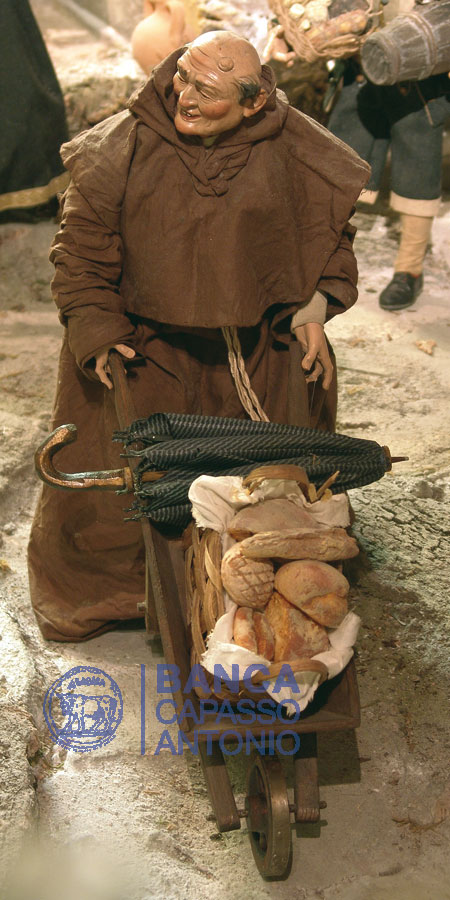
  • The Monk is often set in a desecrating manner, representing the irony between the sacred and the profane.
  • The Harlot is a symbol of the carnal, as opposed to the purity of the Virgin. She is placed near the tavern, opposite to the Nativity.
  • The months of the year are represented as follows:
    January
    butcher or grocer;

    February seller of ricotta and cheese;
    March poultry man and bird seller;
    April egg seller;
    May represented by a married couple carrying a basket of cherries and fruit;
    June baker or miller;
    July tomato seller;
    August seller of watermelons;
    September seller of figs;
    October vintner or hunter;
    November chestnut seller;
    December fishmonger or fisherman

Picture
Picture
Picture
Picture
Picture
Picture
Picture
Picture
Picture
Picture
Picture
Picture
Picture
Picture
Picture
Picture
Picture
Picture
Comments

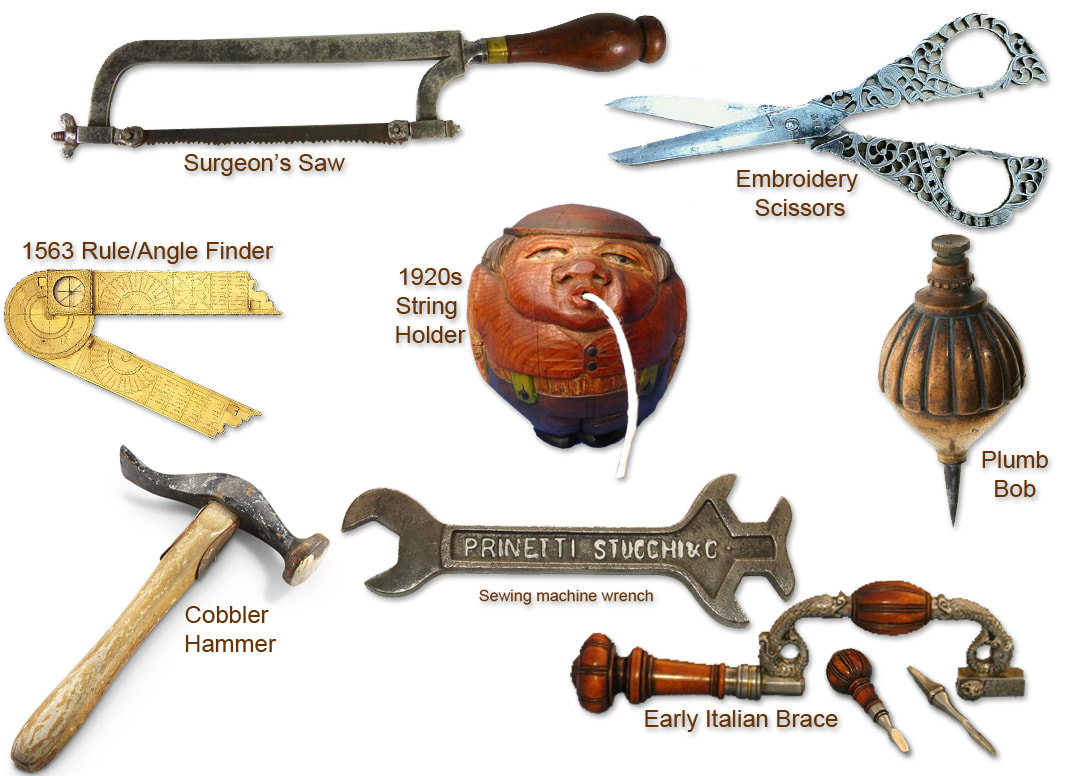
Antique Italian Tools

9/15/2017

Comments

 
Picture
Comments

Scolapasta Solar Art: Capturing the Eclipse with a Colander

8/24/2017

Comments

 
Most people watched the recent solar eclipse through pinholes projecting tiny images on a piece of paper. Or they wore very dark orange eclipse viewing filters, looking like they were about to watch a 1950s 3-D movie. My son and I built a large projector using a pair of binoculars that gave us a crisp 4" large image to view. But the most interest method is the way Italian Nonnas might have used in to view eclipses in the past... just go in the kitchen and grab a scolapasta--a common colander. You'll have to agree, the varied patterns of holes make for some great eclipse art... some of which look absolutely astronomical!
Comments

Gardens of Italy: The Labyrinth at Villa Pisani

8/19/2017

Comments

 
Picture
Picture
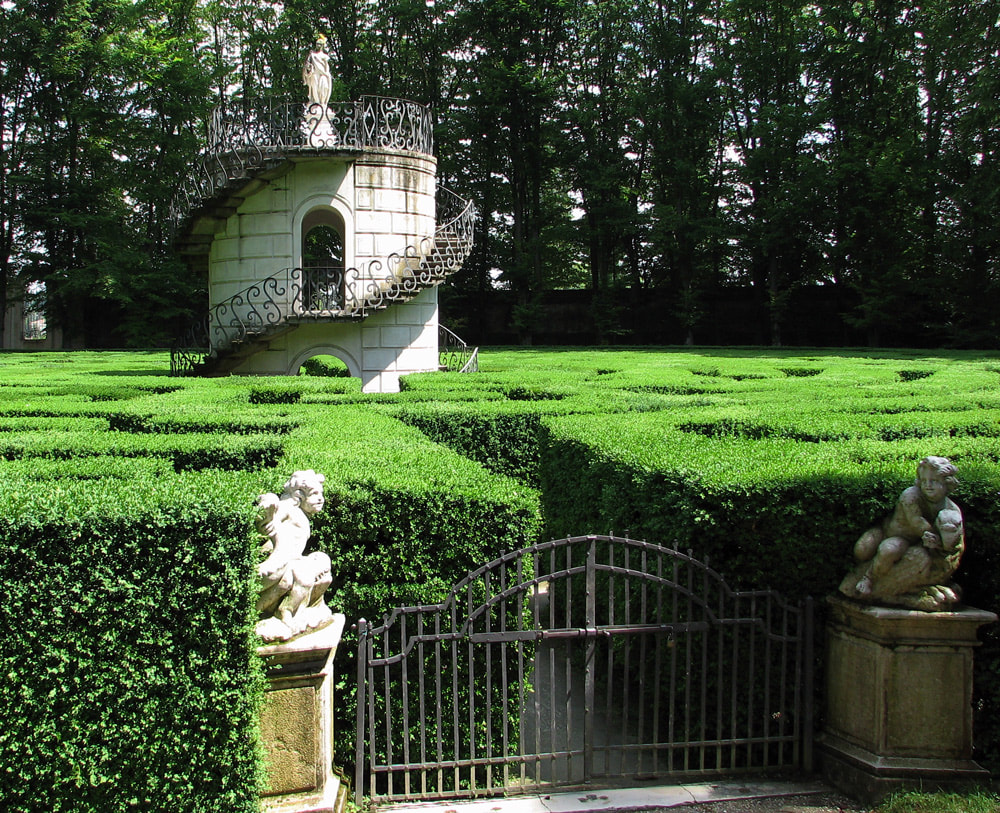
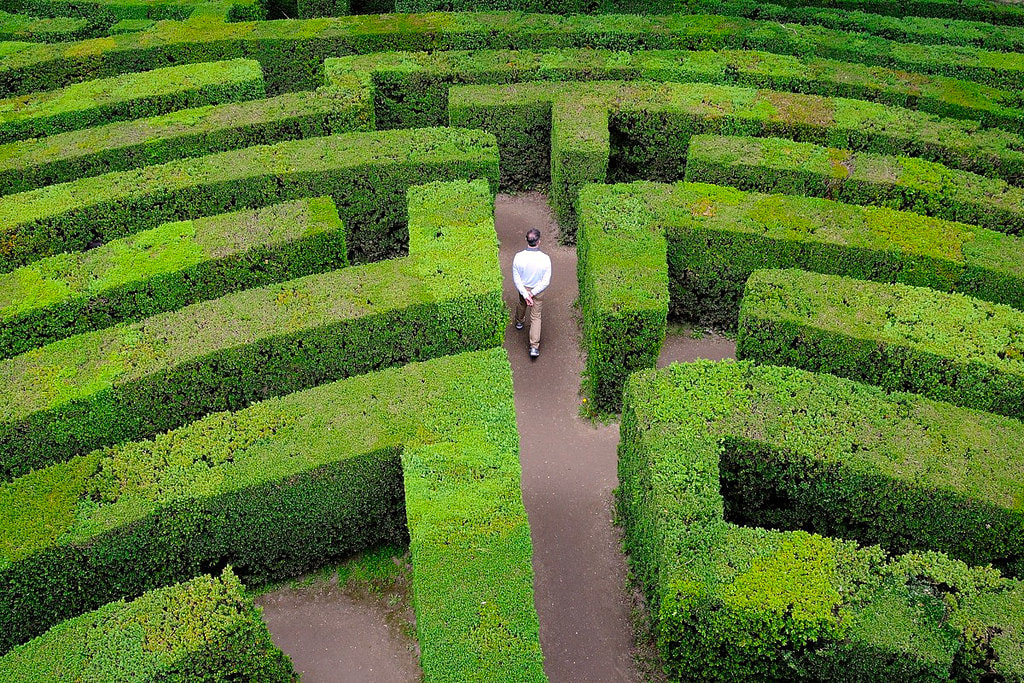
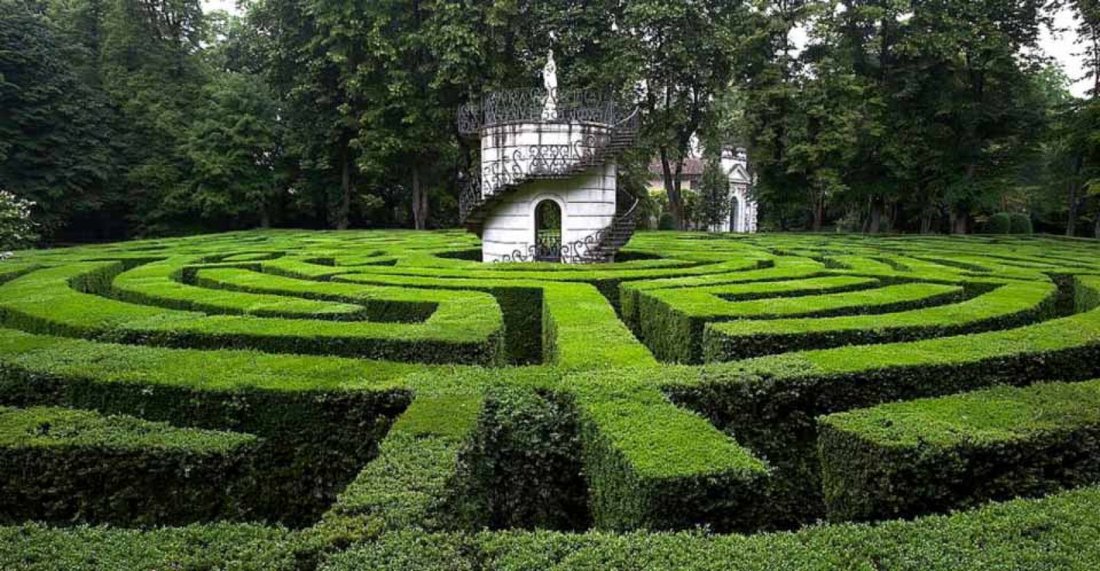
Between Venice and Padua you will find one of the most beautiful maze gardens in the world... the Villa Pisani in San Pietro di Stra. The villa and garden labyrinth was built on the banks of the Brenta river, by the rich and powerful Pisani family in 1722. Its nine concentric circles are formed by 900 boxwood hedges with a tower in the center with a confusing double helical external staircase. The labyrinth has an ancient origin in the myth  of Theseus and the Minotaur being imprisoned in the labyrinth of the Knossos Palace on Crete. In the Middle Ages such labyrinths represented the struggle of life with Faith guiding us through. One can also look at the  labyrinth at Pisani as getting oneself lost in Love...
Picture
Picture
Picture
Comments

Swimming the Tiber River in Rome?

8/17/2017

Comments

 
Picture
A dive into the muddy waters of the Tiber
When my father was a boy, he and his brothers swam in the Hudson River... brown on some days, green on others, always polluted from industries up river. He lived to be 86. Similarly, in Rome people often took a swim in the muddy, polluted Tiber River, even though it has been polluted and undrinkable for many centuries. Today, the river always runs green. The saying, "swimming the Tiber" or "crossing the Tiber" at one time became a metaphor for a Protestant converting to Catholicism. Today, it is illegal.... swimming, I mean.
Picture
Sunbathing teens
As the rivers nears Tiber Island adjacent to Trastevere, fallen trees, debris and other flotsam don’t escape the pressures of a low-head dam. A swimmer drowning in the Tiber would more than likely be discovered stuck in the dam. Paddling or swimming the river nowadays is a fools game...
Picture
Severino Beach
Comments

Gardens of Italy: Isola Bella, Lago Maggiore

8/7/2017

Comments

 
Picture
Picture
Isola Bella is found on Lago Maggiore in north Italy just 1500 feet from the town of  Stresa. A mere thousand feet long, it contains a small fishing village, a grand palazzo and one of the most formal and beautiful Italianate gardens in all of Italy. Begun in 1632, the rocky islet was transformed with the construction of the palazzo and gardens. Forty-nine years later the gardens were completed. Isola Bella is a popular tourist attraction, with a regular ferry service from Stresa, Laveno, Pallanza and Intra. It plays host to the annual Stresa music festival.

Picture
Picture
Picture
Picture
Picture
Picture
Picture
Picture
Picture
Comments

The Most Beautiful Tall Ship in the World: Amerigo Vespucci

7/30/2017

Comments

 
Picture
Built in 1930 at Castellammare di Stabia, the Amerigo Vespucci is a full rigged three-masted steel hulled tall ship built in the the style of large late 18th century 74-cannon ships of the line. It is 331 feet long, including the bowsprit, with a beam of 51 ft. The tallest of her three masts is 178 feet tall. Her draft is 23 ft below the waterline with a displacement of 4146 tons. The ship is used as a training vessel by the Italian Navy and carries a crew of 16 officers, 70 non-commissioned officers and 190 sailors, but in summer the midshipmen of the Accademia Navale causes its crew to expand to 450. The ship was named for Amerigo Vespucci, who in the late 15th and early 16th centuries explored nearly the entire coastline of both North and South America, proving that Columbus didn't discover a route to Asia, but in fact came upon a "New World", and two new continents.
Picture
Picture
Picture
Picture
Picture
Comments

Palazzo Ducale di Urbino

6/15/2017

Comments

 
Picture
Picture
Comments

A Country Within a Country: San Marino

6/1/2017

Comments

 
Picture
The Most Serene Republic of San Marino, is an independent microstate surrounded by Italy at the northeast edge of the Apennine Mountains--essentially, a country within a country. It can stamp your passport and supply you with San Marino postage stamps.  It covers only 24 sq mi but has a population of over 33,000, and has more vehicles than citizens. San Marino has the smallest population of all the members of the Council of Europe. Interesting to watch is a special team from their tiny army demonstrating their prowess with the crossbow.
Comments

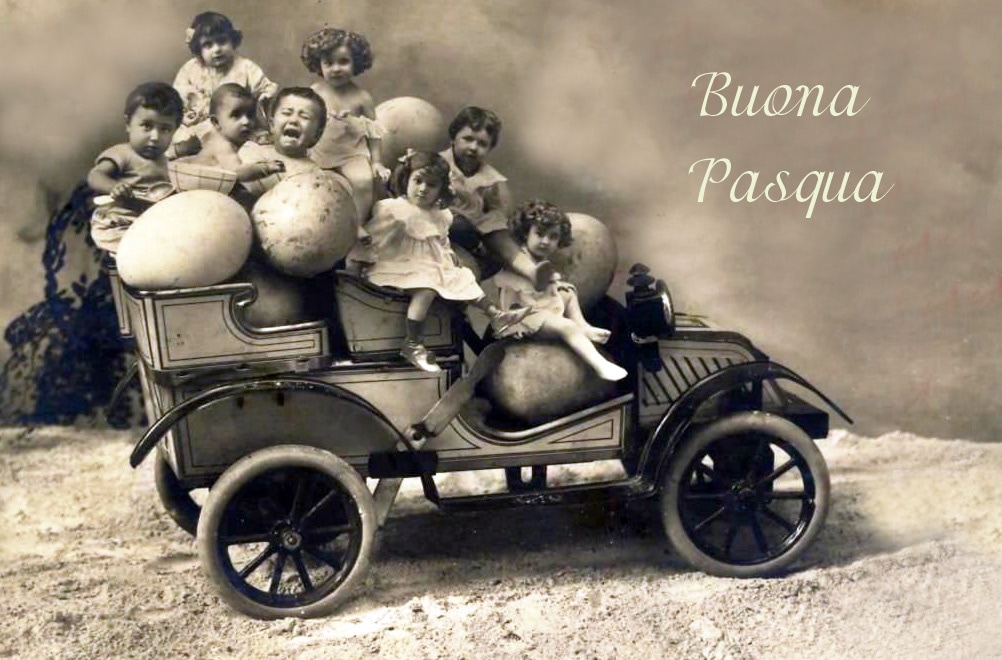
Vintage Italian Easter Cards - Buona Pasqua!

4/15/2017

Comments

 
Picture
Comments
<<Previous
Forward>>
    Picture

    Categories

    All
    Ancient Italy
    Animals
    Architecture
    Arts & Crafts
    City Life
    Country Life
    Fine Arts
    Food
    Fotos Del Passato
    Fotos Di Finzi
    Gardens
    Historic
    Holidays
    Humor
    Immigrants
    Italian-Americans
    Italian Lifestyle
    Learning Italian
    Lifestyle
    Memes
    Natural Beauty
    Nostalgic
    PhotoTips & Reviews
    Religion
    Travel
    Trend
    Vehicles

    RSS Feed

    Archives

    March 2025
    January 2025
    November 2024
    August 2024
    January 2024
    December 2022
    May 2021
    November 2020
    October 2020
    September 2020
    April 2020
    March 2020
    February 2020
    January 2020
    November 2019
    May 2019
    April 2019
    March 2019
    February 2019
    November 2018
    October 2018
    September 2018
    August 2018
    July 2018
    June 2018
    May 2018
    April 2018
    March 2018
    February 2018
    January 2018
    December 2017
    November 2017
    October 2017
    September 2017
    August 2017
    July 2017
    June 2017
    May 2017
    April 2017
    March 2017
    February 2017
    January 2017

Copyright 2014 - 2024 by GrandVoyageItaly.com
Picture
  • Piazza
    • Older Posts
  • Travel
    • Our Family's Voyage
  • Cucina
  • Culture
  • History
  • Style
  • Photos
  • Videos
    • Music Videos
  • About
    • Survey
    • Links
  • Shop 🛒