
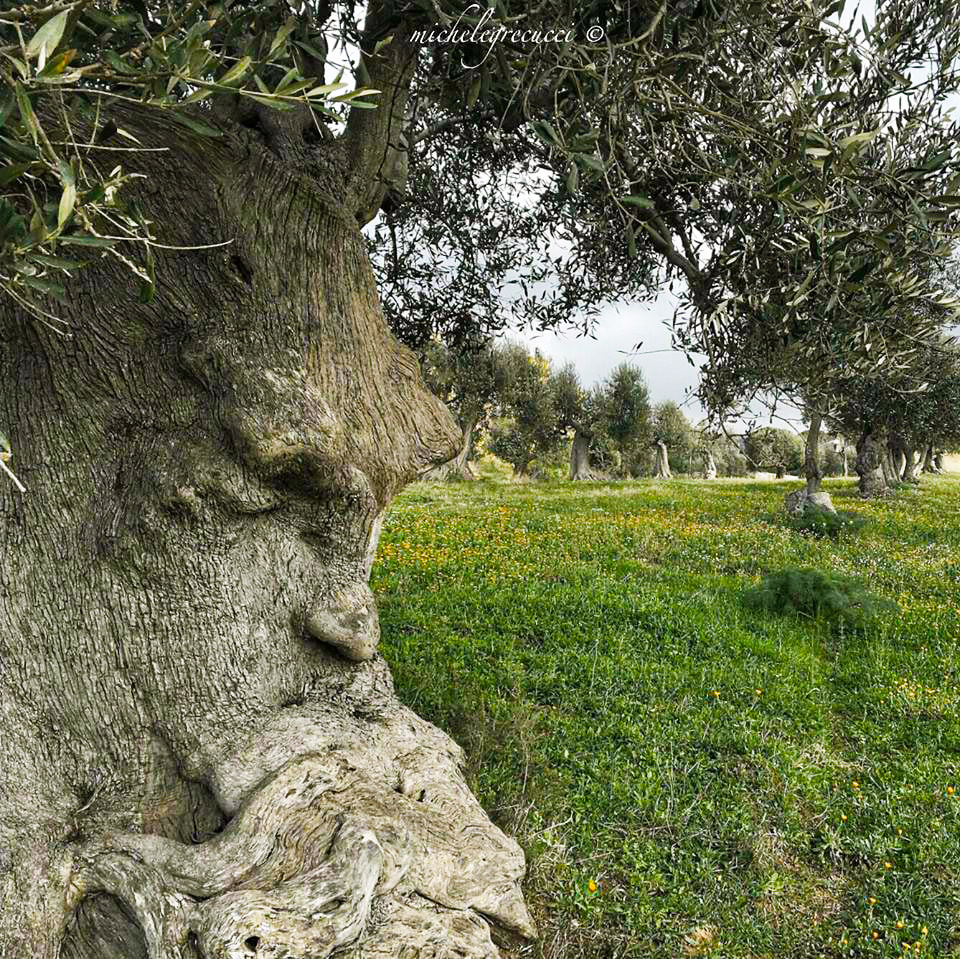
 When I Voyaged throughout Puglia, it became obvious that the Olive Tree is king here--and has been for thousands of years. There are more ancient olive trees here than anywhere else in Italy, many of which are hundreds of not thousands of years old. What is intriguing about these gnarly giants is their bizarre, fantastical shapes, often twisting and turning about themselves, even when the interior of the tree is gone, they continue to live.
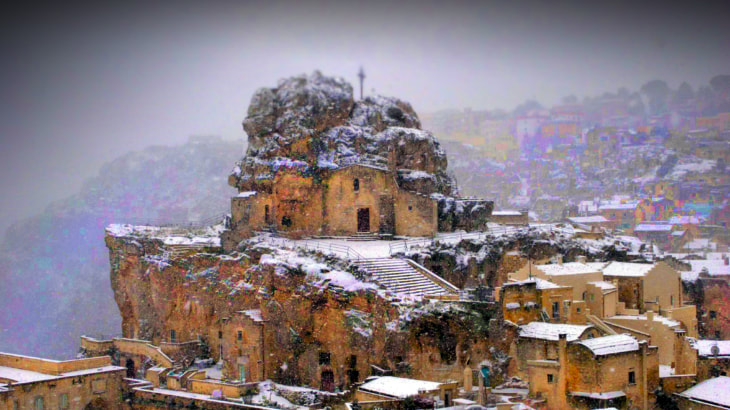
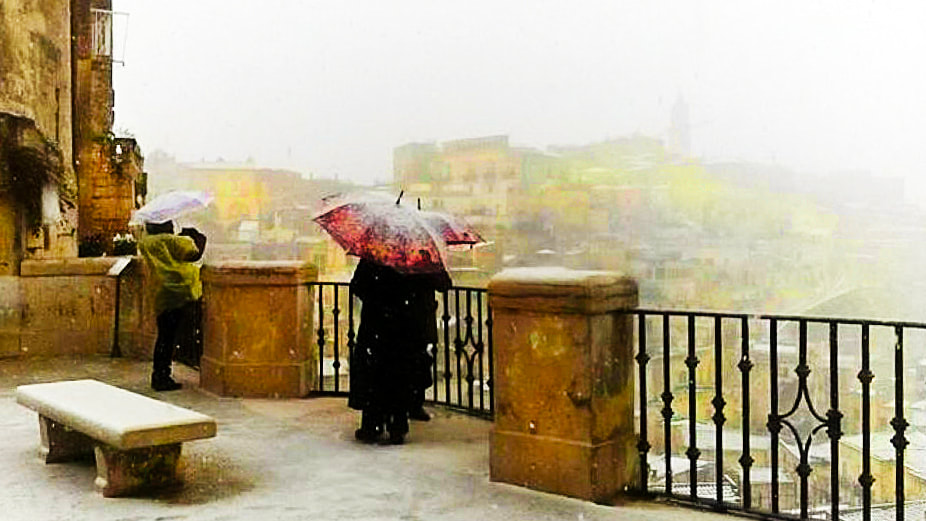
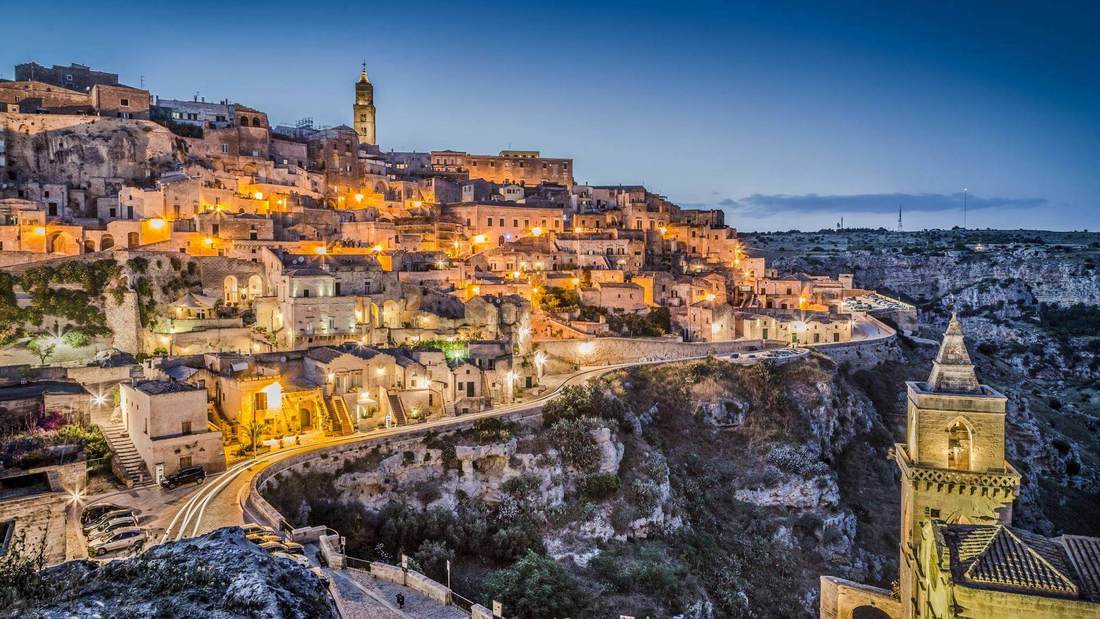
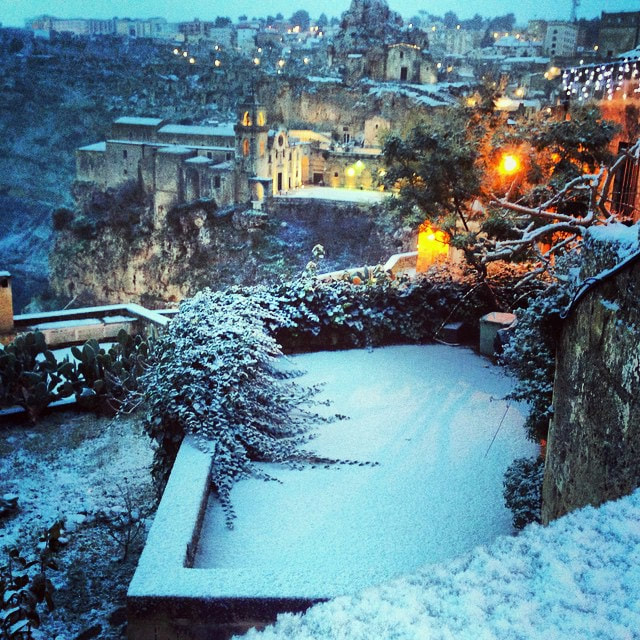
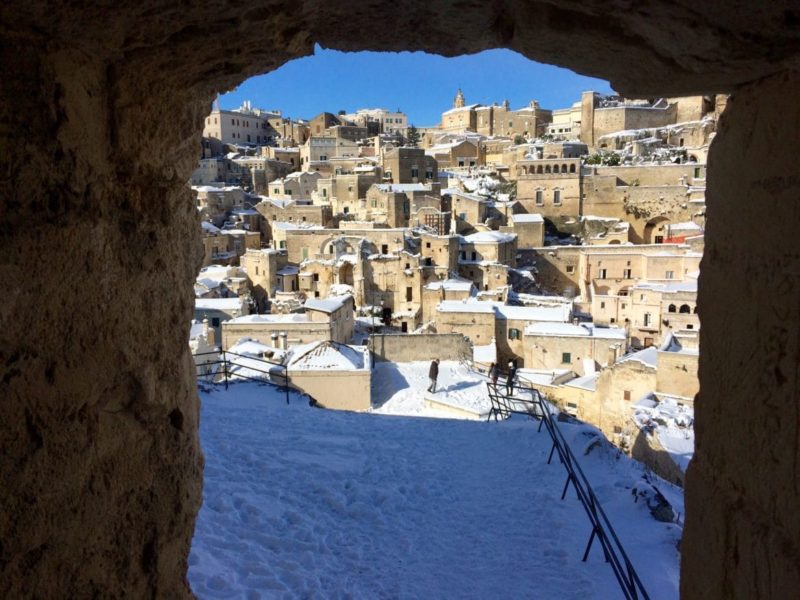
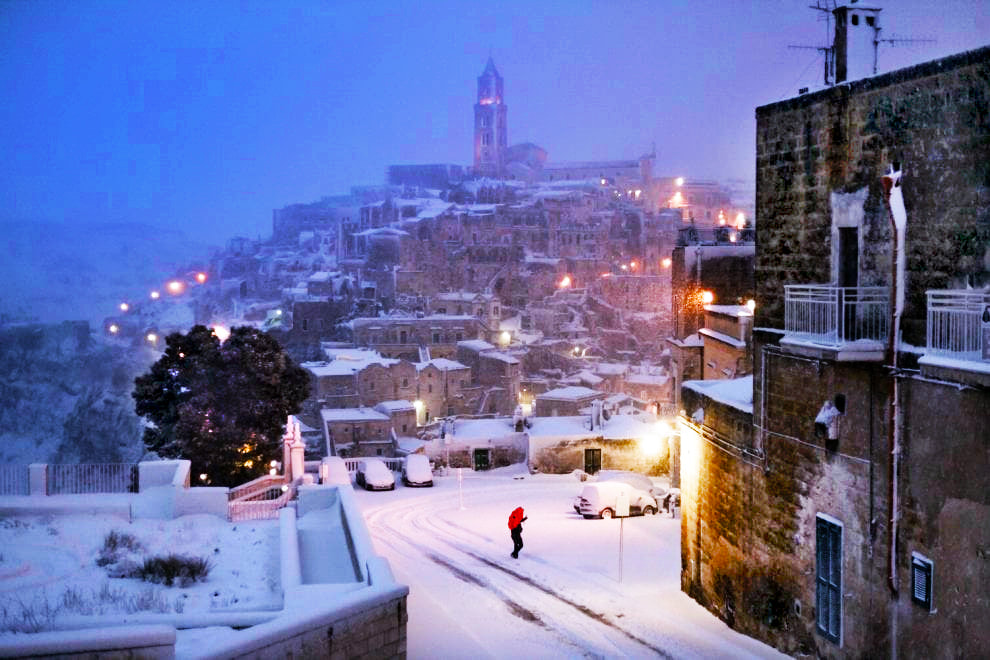
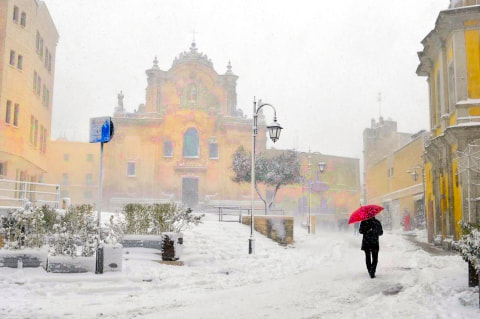
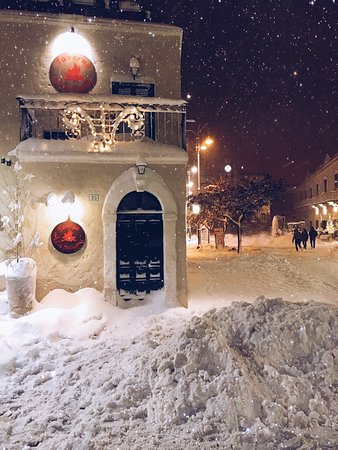
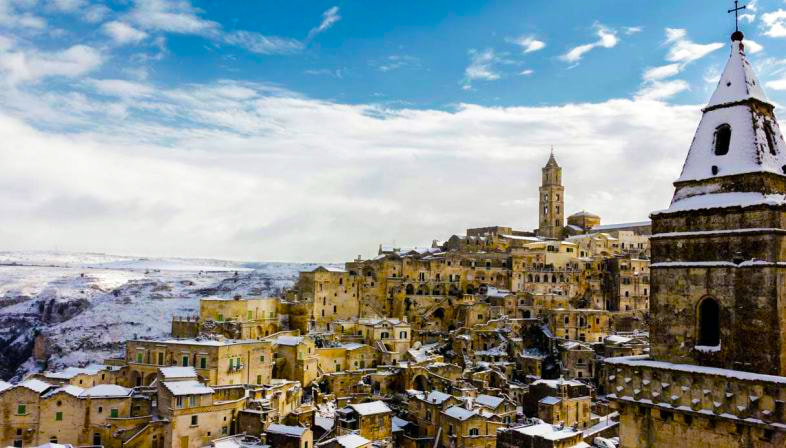
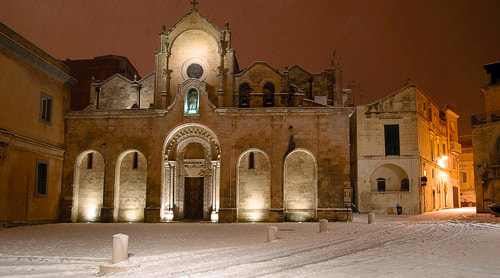
One can regard the resulting shapes as one does when finding animals and babies in passing clouds... but these shapes aren't going anywhere. This particular olive tree was given the name L’Ulivo Pensieroso (the Pensive Olive Tree) by photographer Michele Grecucci. What is he thinking after living on this Earth for over 500 years? Is he forlorn about the loved ones and neighbors he has lost over the centuries? Does he miss the children who used to play at his feet? Is he worried about the future with blights, wars, drought or fire? Is he simply pondering, worried, concerned or trying to unravel a problem of the ages? Perhaps we'll never know... The photo was captured near Ginosa, Puglia but in order to retain the olive grove owner's privacy--and to protect the tree from damage--Grecucci is keeping its precise location a secret. Grecuci's photography captures the essence of Italy and being Italian. I highly recommend taking a tour of his work. To see more of Grecucci's creations... Facebook: Michele Grecucci Website: Michele Grecucci Photography Instagram: @michelegrecucci. 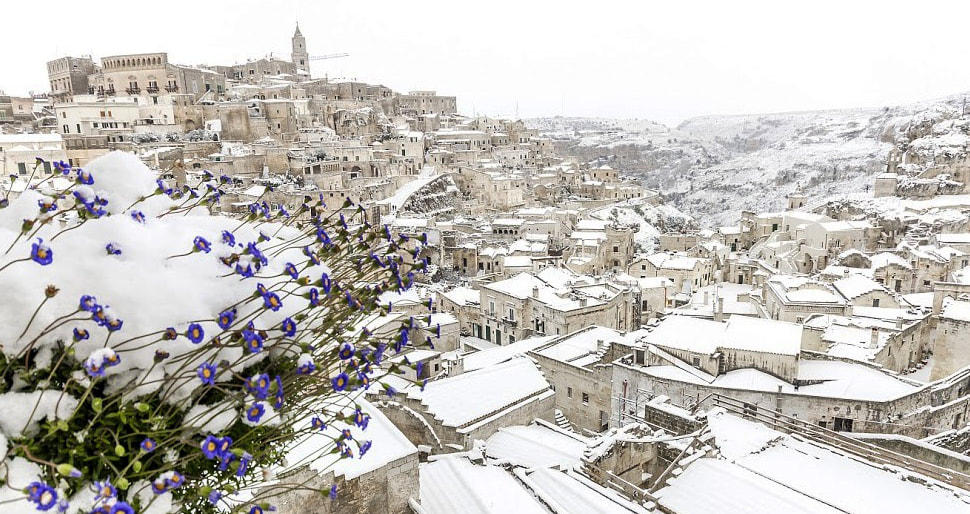 Matera, located in Basilicata near the border of Puglia, is one of the most unusual towns in all of Italy in this respect... because of its Sassi (literally, rocks), the cave homes dug into the mountain that the city sits upon. People have been living in caves for 50,000 years here. The Sassi have been restored into posh hotels and B&Bs and apartments with Matera itself declared the Capitol of Europe for 2019. In winter, the surrounding rocky landscape and the Sassi homes are a wonderland, especially with a dusting of snow...
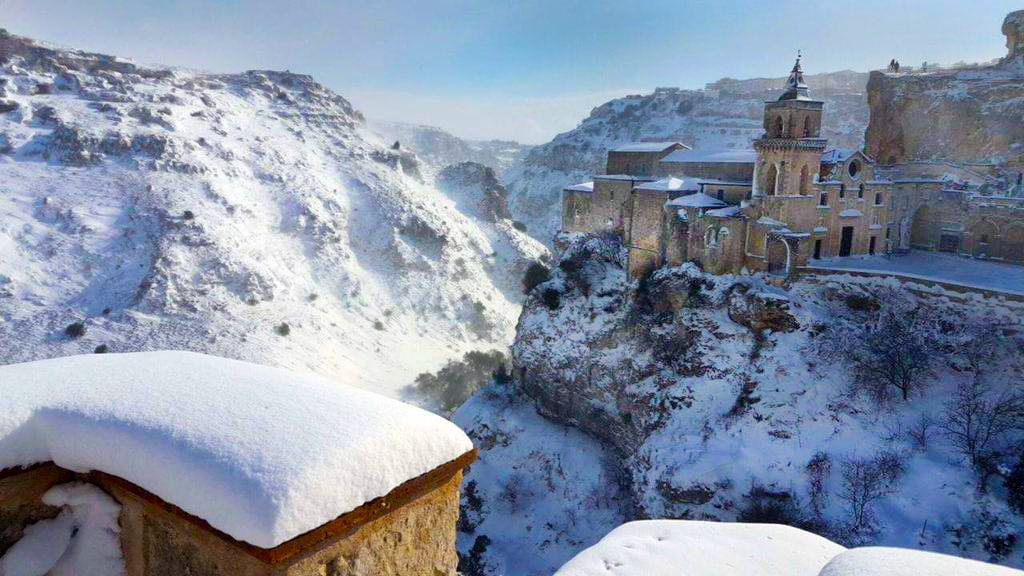 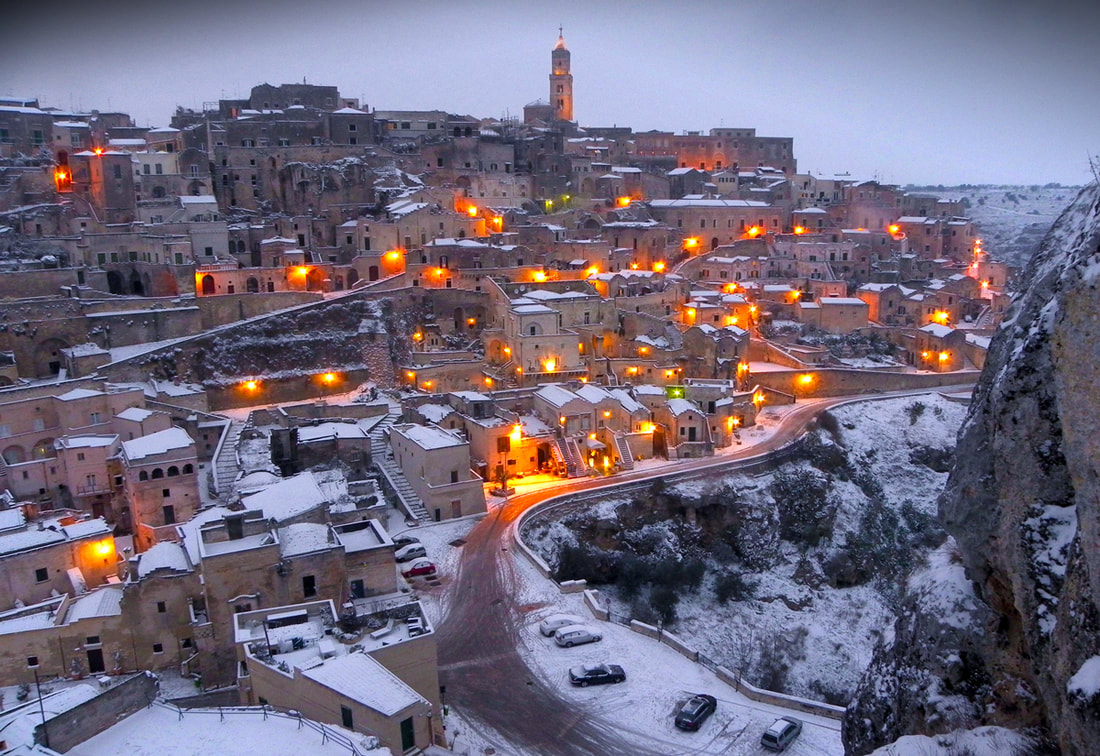
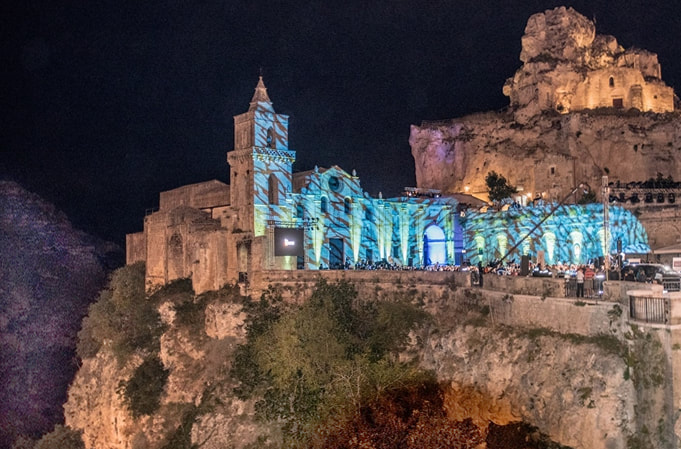
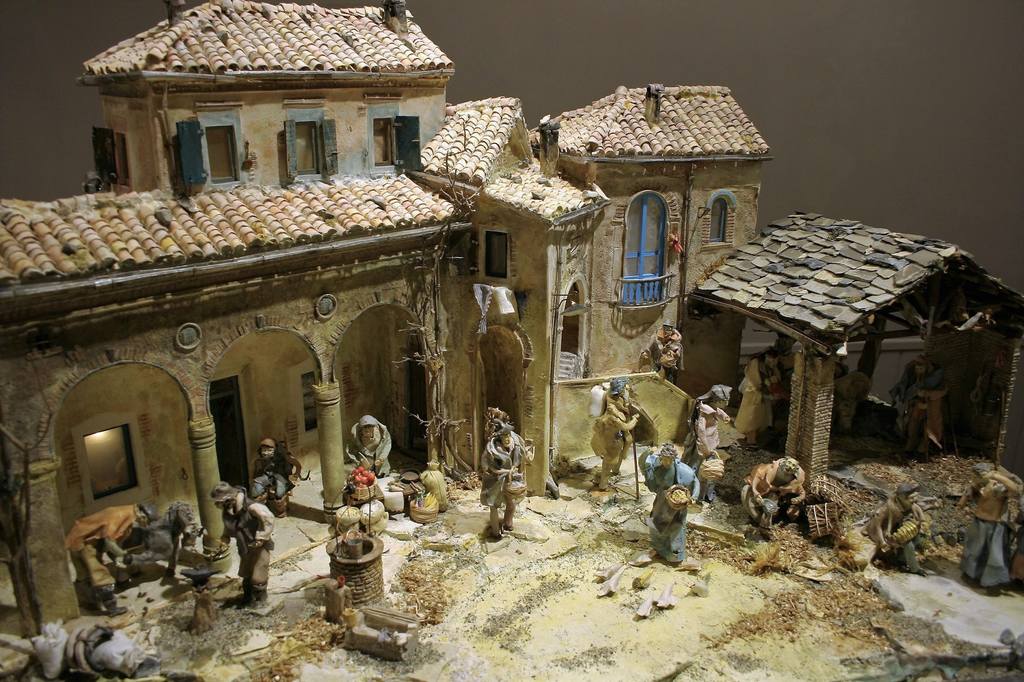
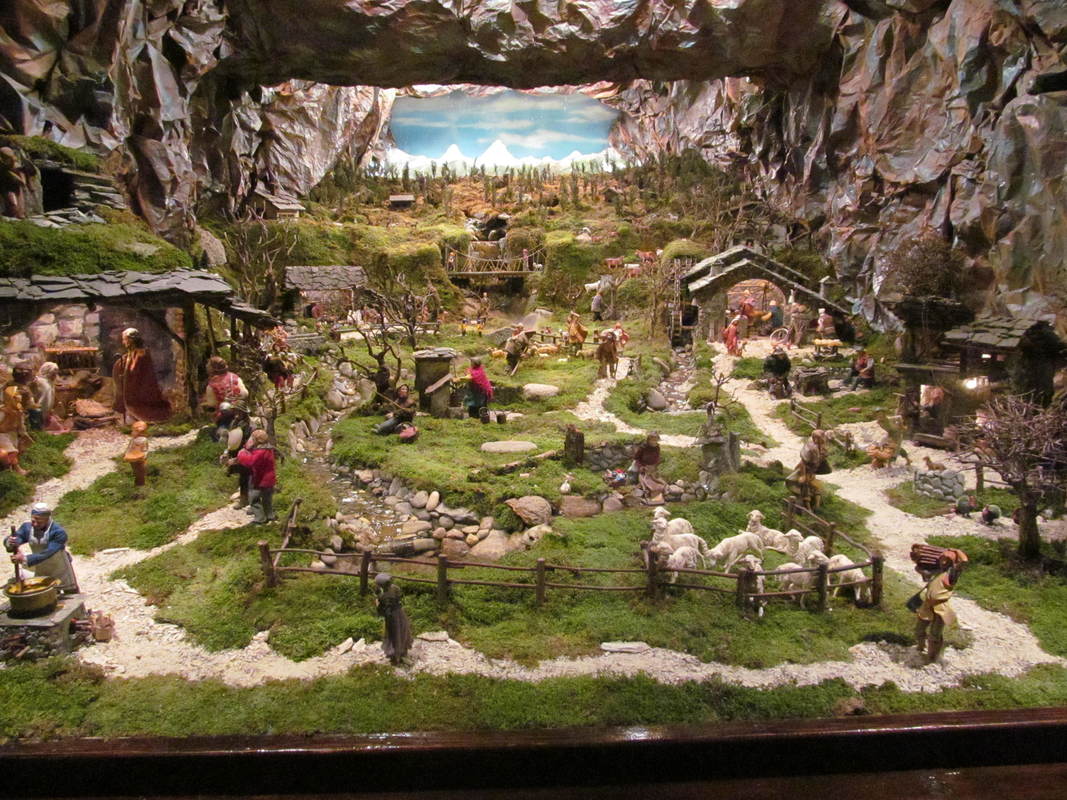
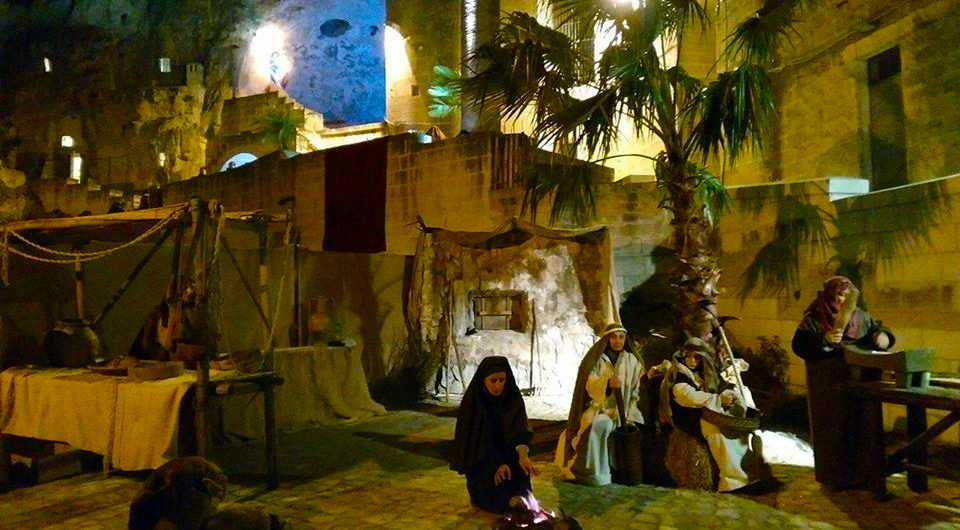
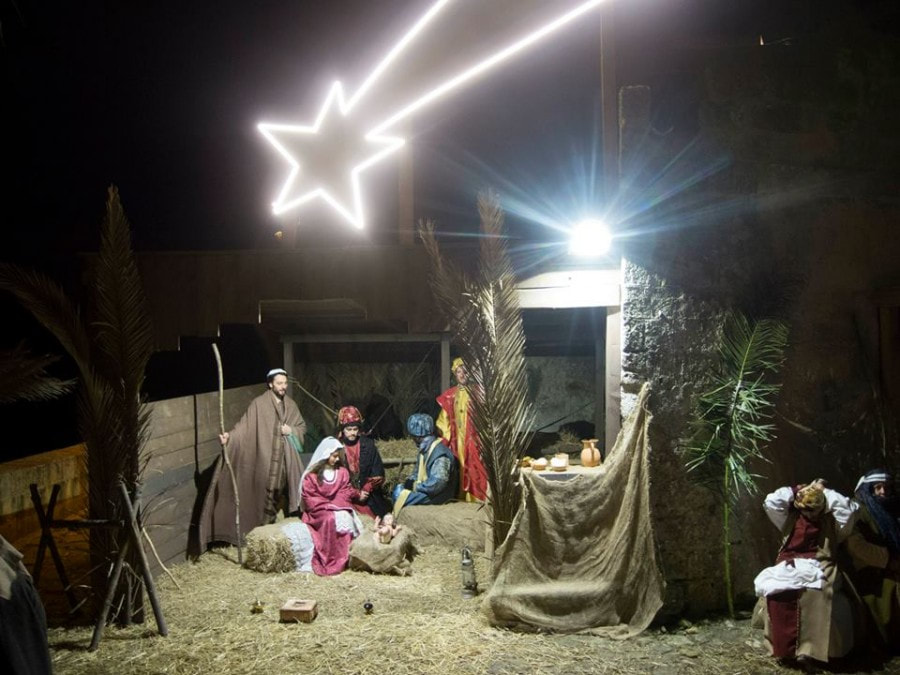
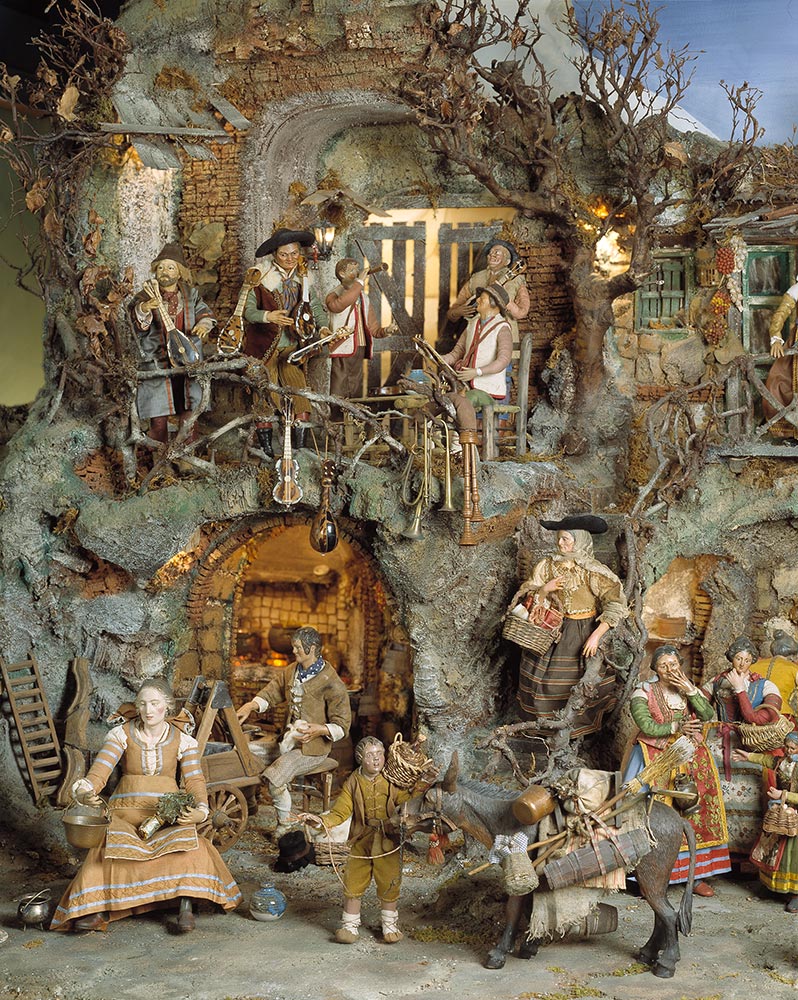
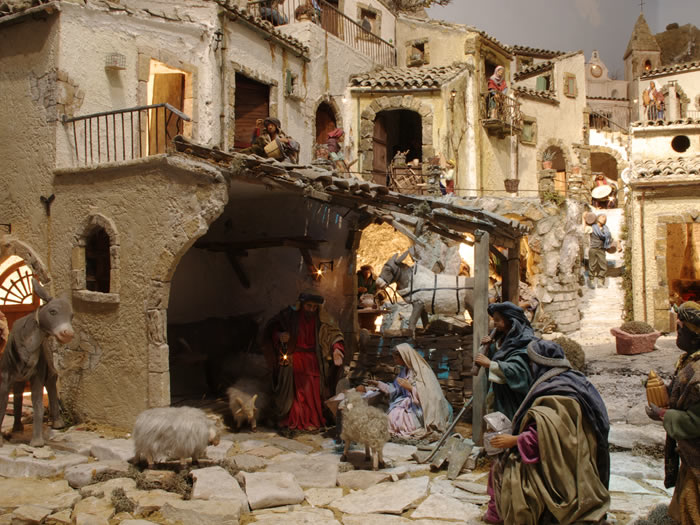
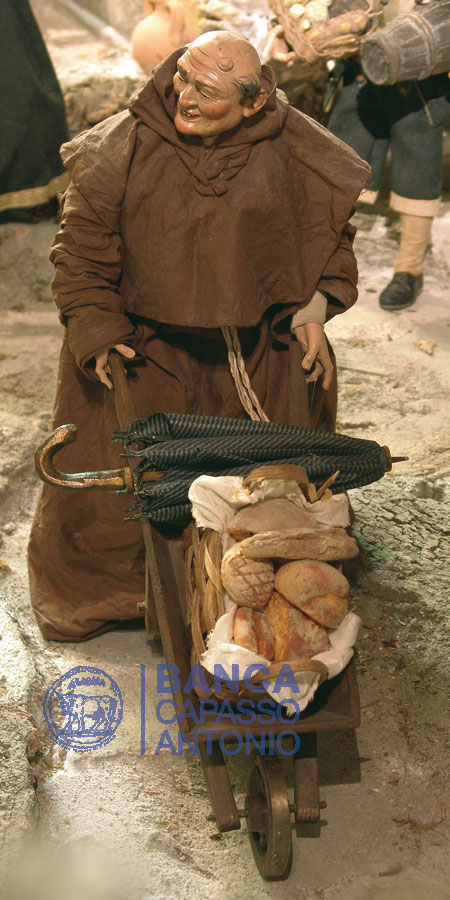
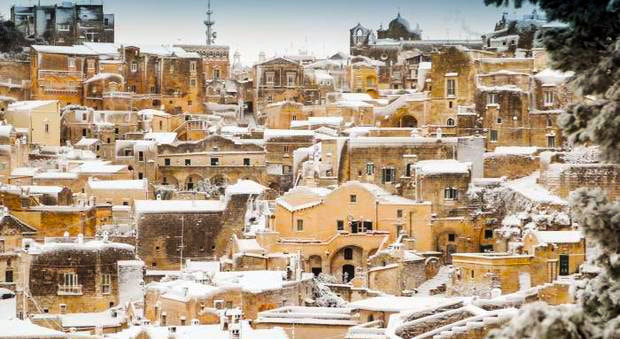 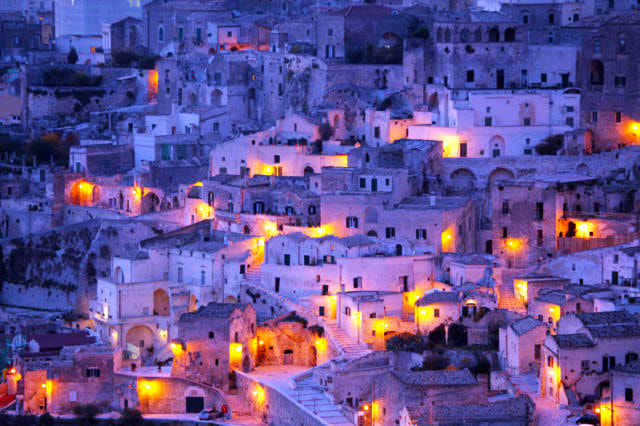 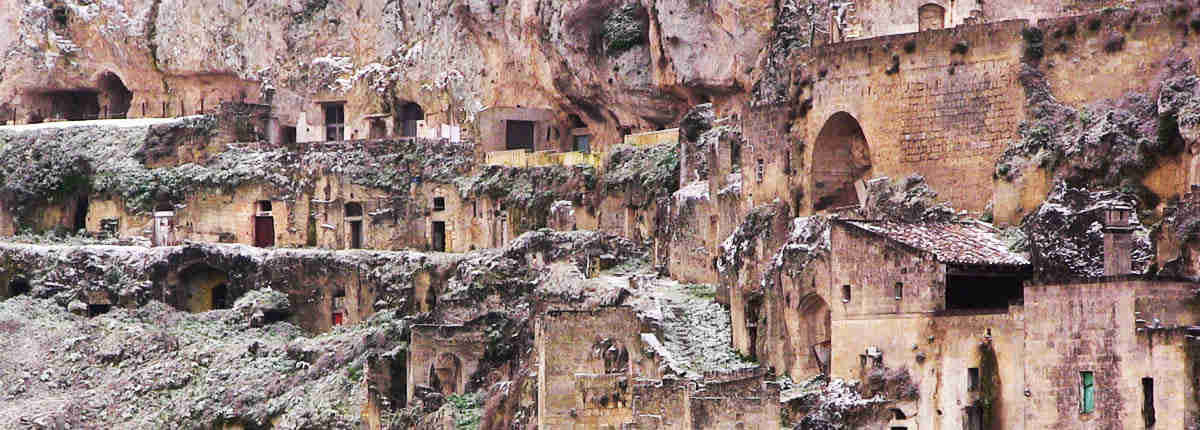  In December and January, visitors to Matera can walk through the Sassi, along the edge of the gorge and enjoy the Living Presepio displays. Much like small presepio displays, besides the Nativity scene itself (with Joseph, Mary and Jesus), there are costumed Materese portraying shopkeepers, musicians, beggars and gypsies from the time of Jesus.
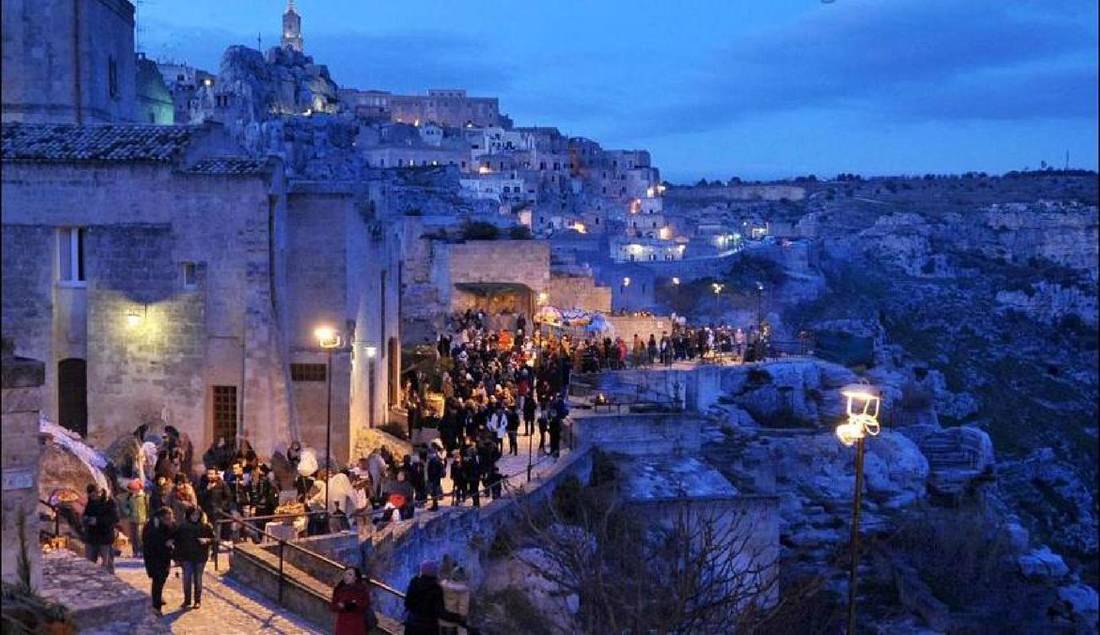   
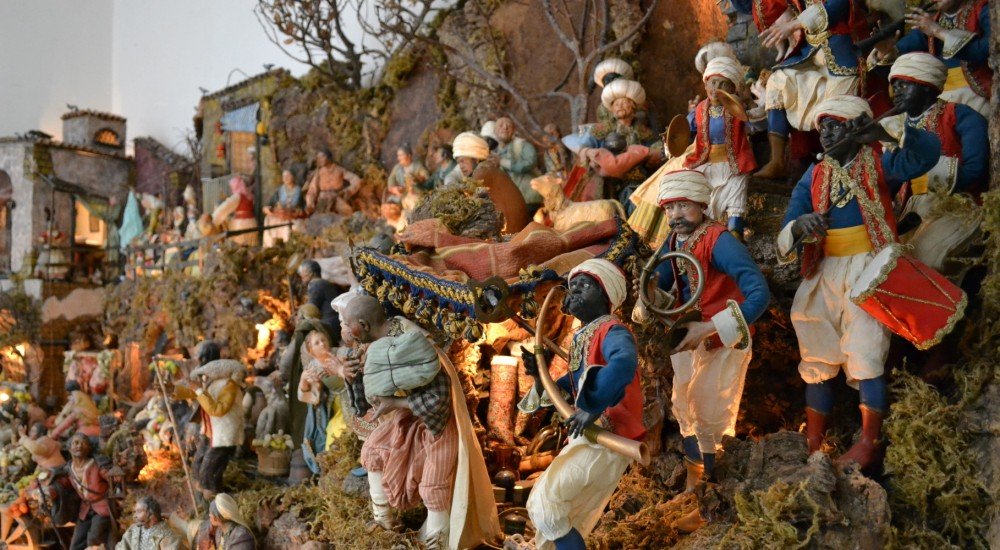
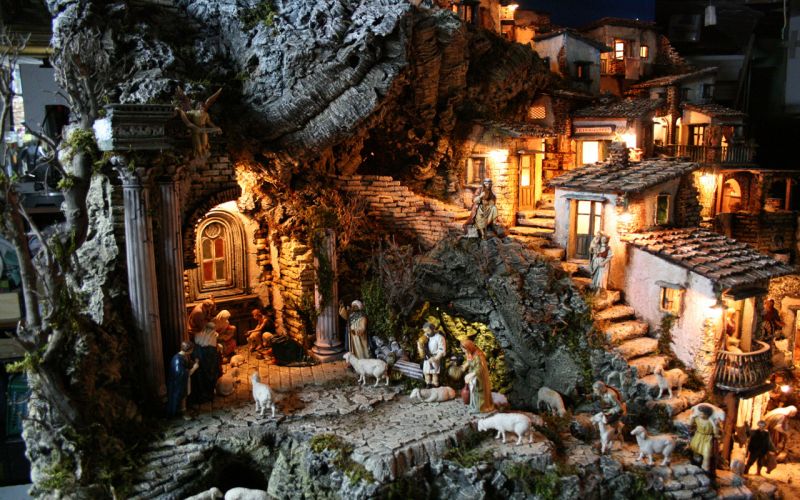
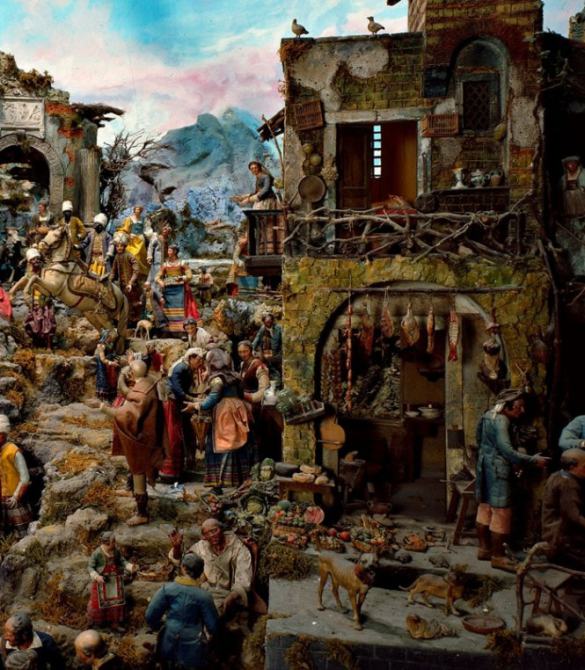
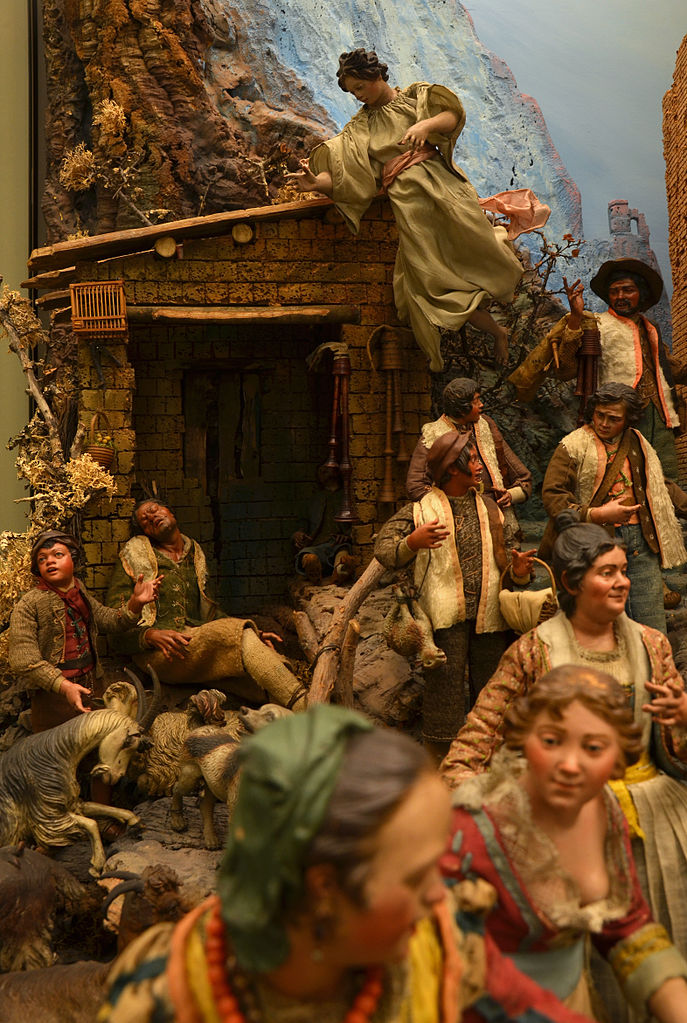
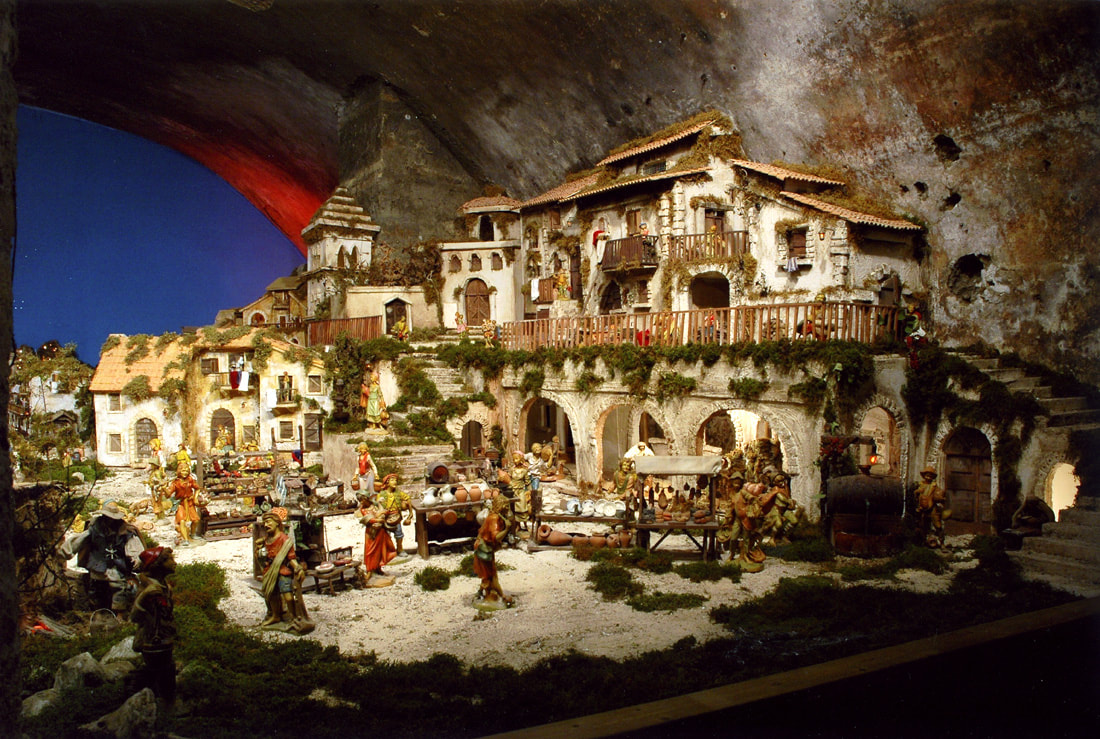
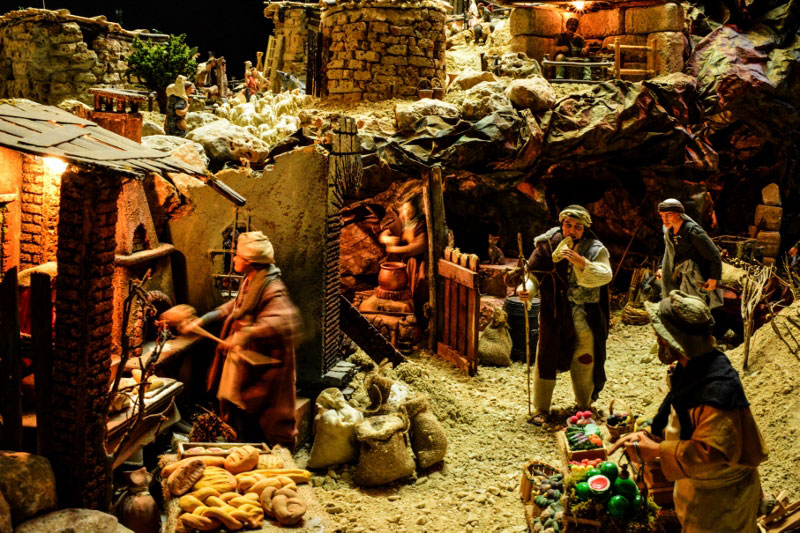
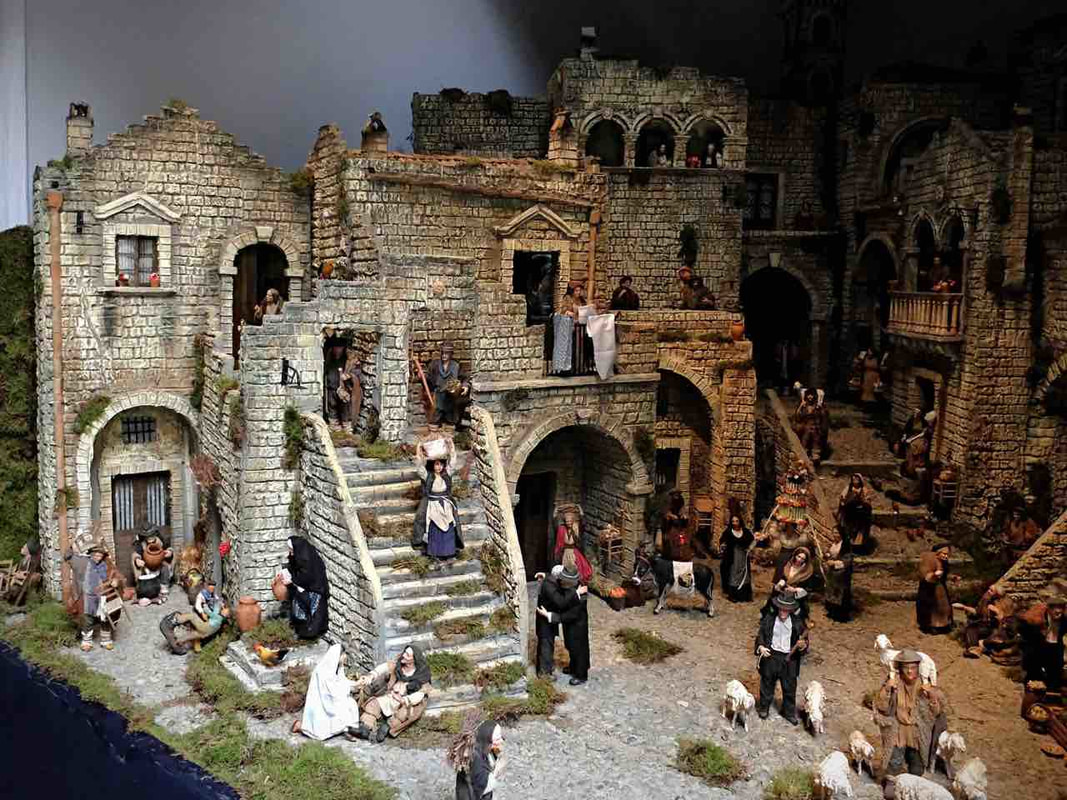
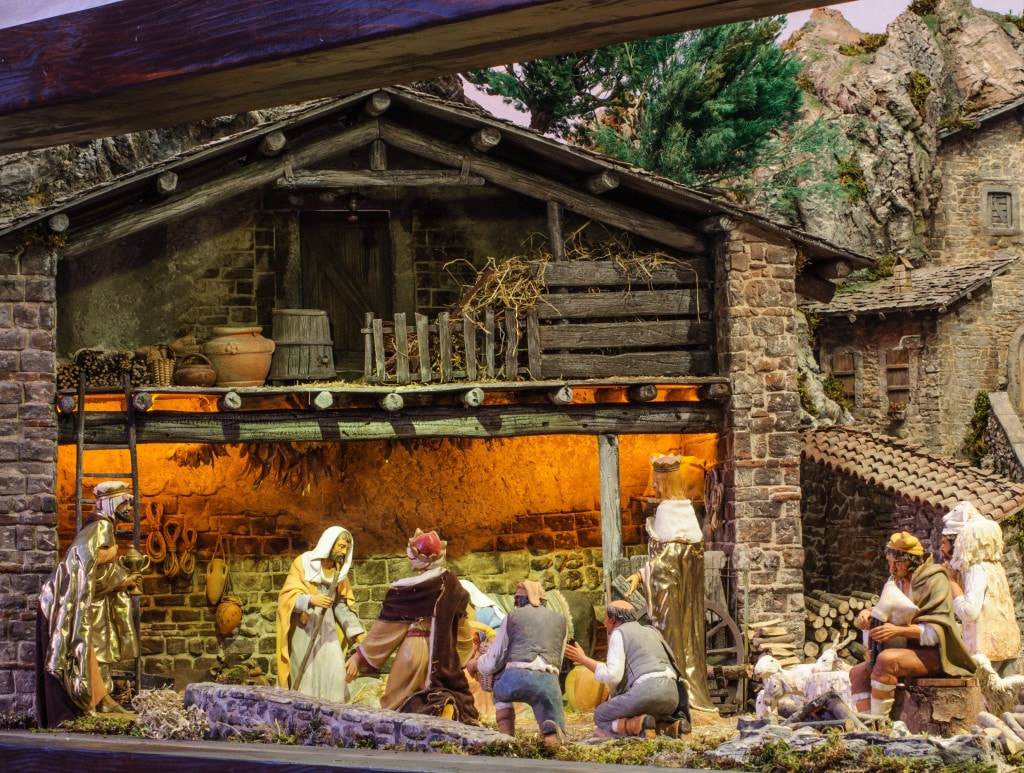
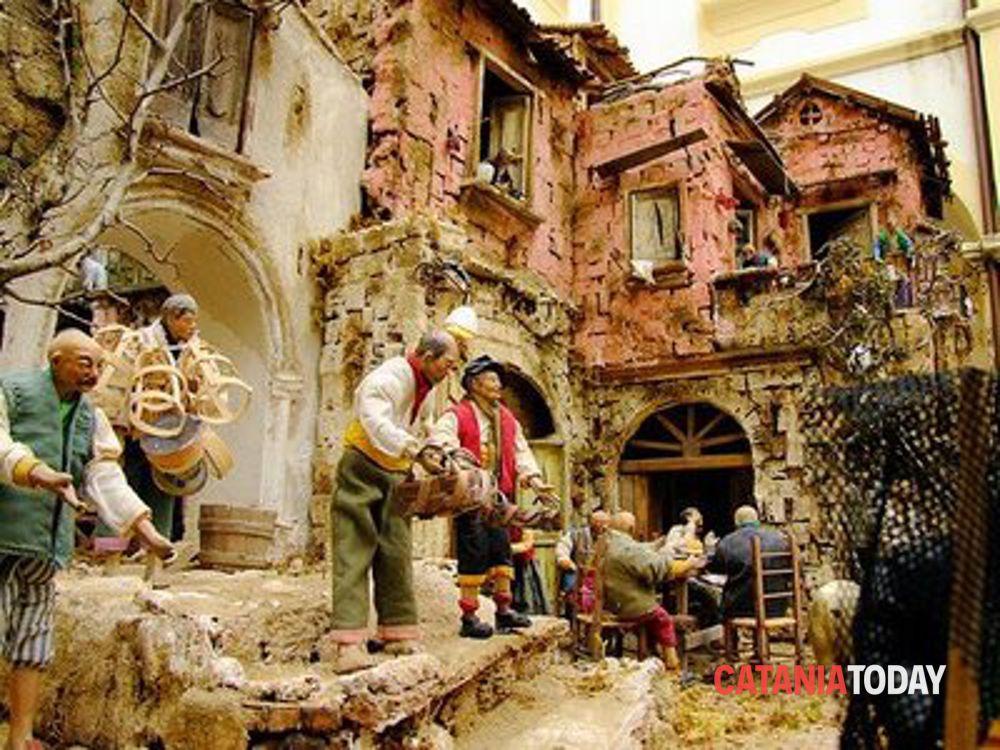
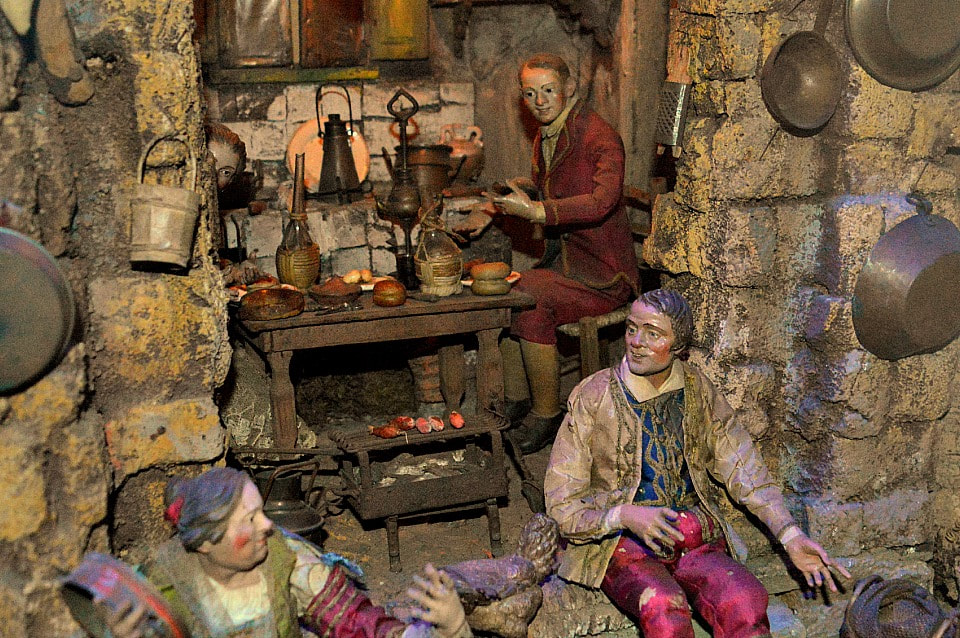
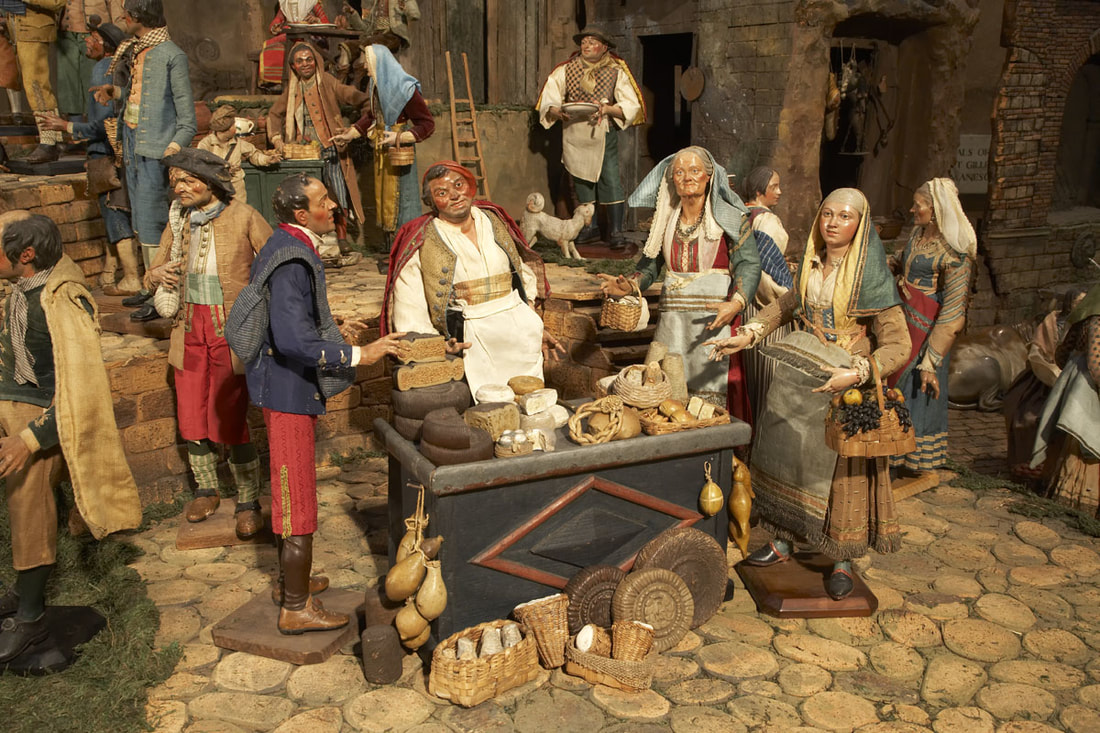
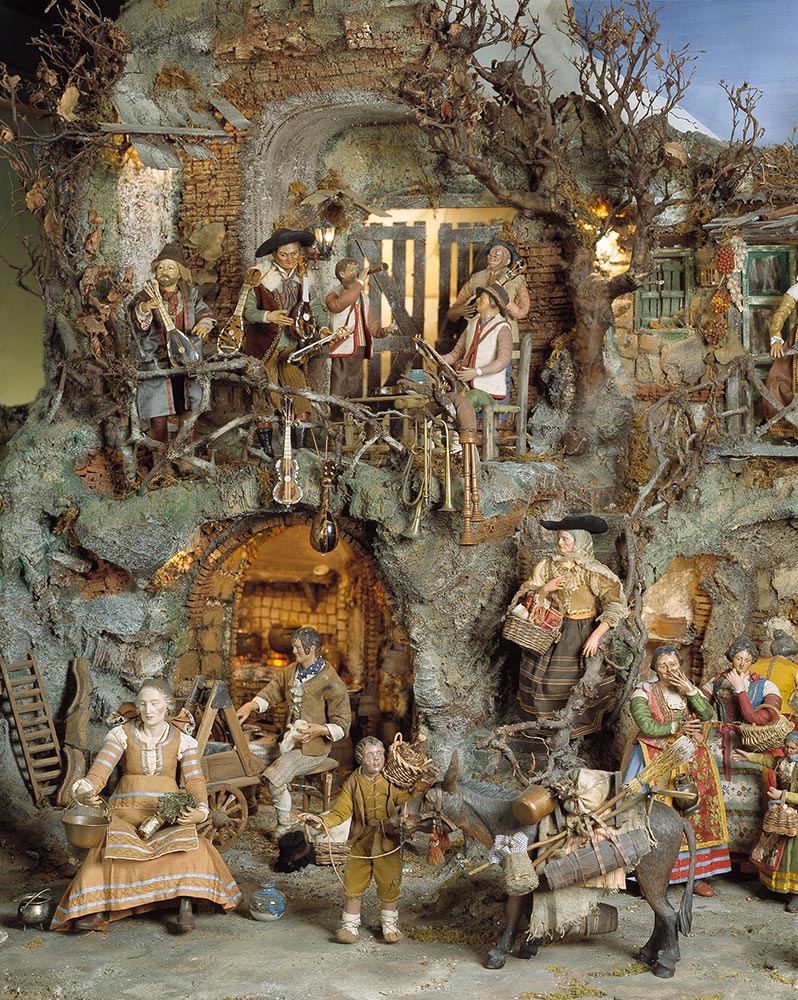
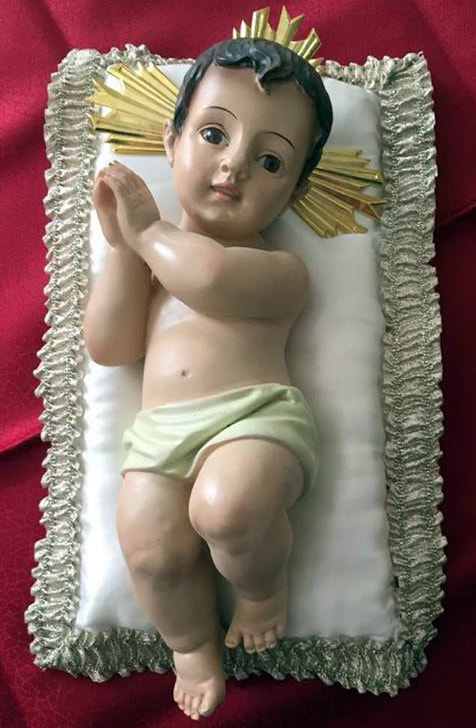
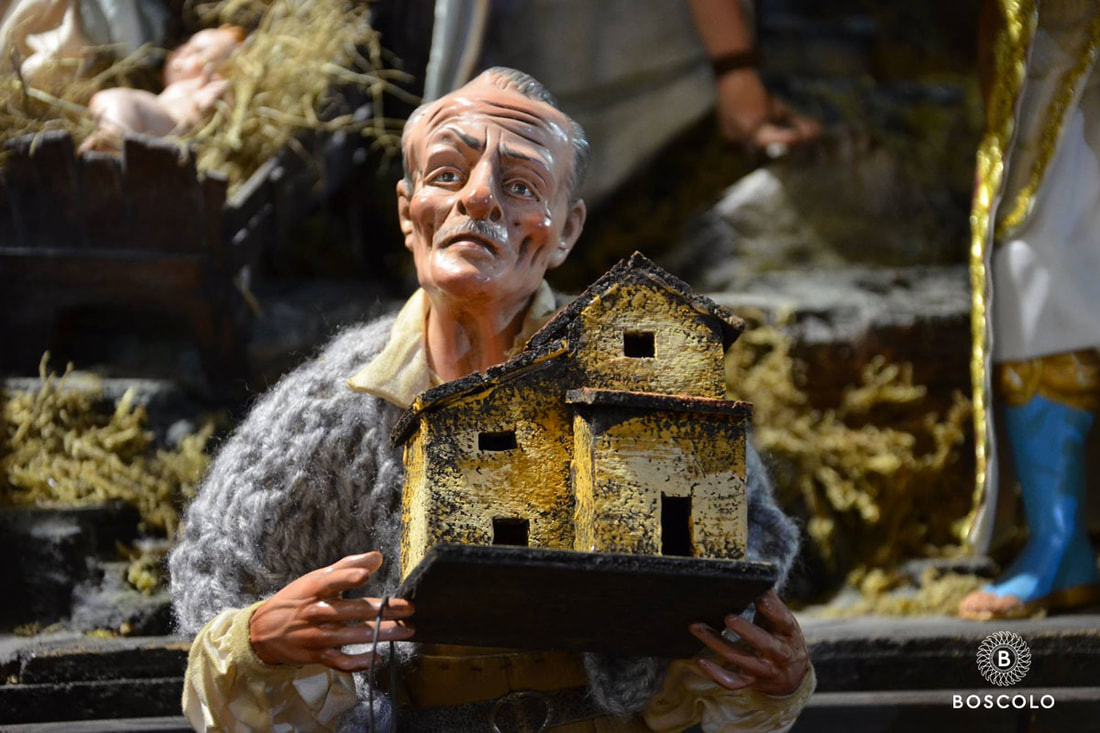
 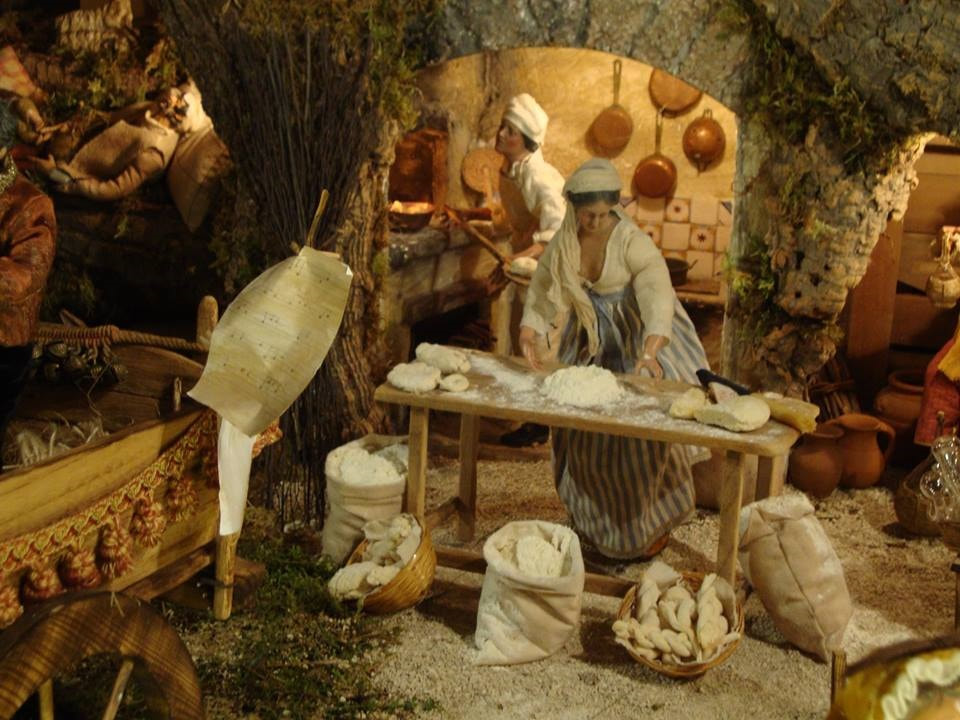 The presepio, derived from the Latin word presepium, meaning manger, has been the defacto symbol of Christmas for Italian families for dozens of generations, and in the South, perhaps as long as a thousand years. Of course, most Italians also have a modern Christmas tree, but the presepio in its simplest form is a tradition of devotion representing the birth of the baby Jesus. These nativity scenes typically consist of a structure to represent the simple barn where Joseph and Mary were forced to give birth to the Son of God. An ox, donkey, angels and perhaps the three Wise Men are typically represented. But the presepio is often much, much more, showing village scenes from every day life. Its components are mostly handmade from a variety of materials: wood, ceramic, cartapesta (Papier-mâché), terracotta and fabrics. Some scenes include small waterfalls or fountains, houses, buildings, mountains, trees, grottoes, livestock and vendors of all sorts. The details can be absolutely astounding.
 There are some characters and elements that many deem essential to the tradition:
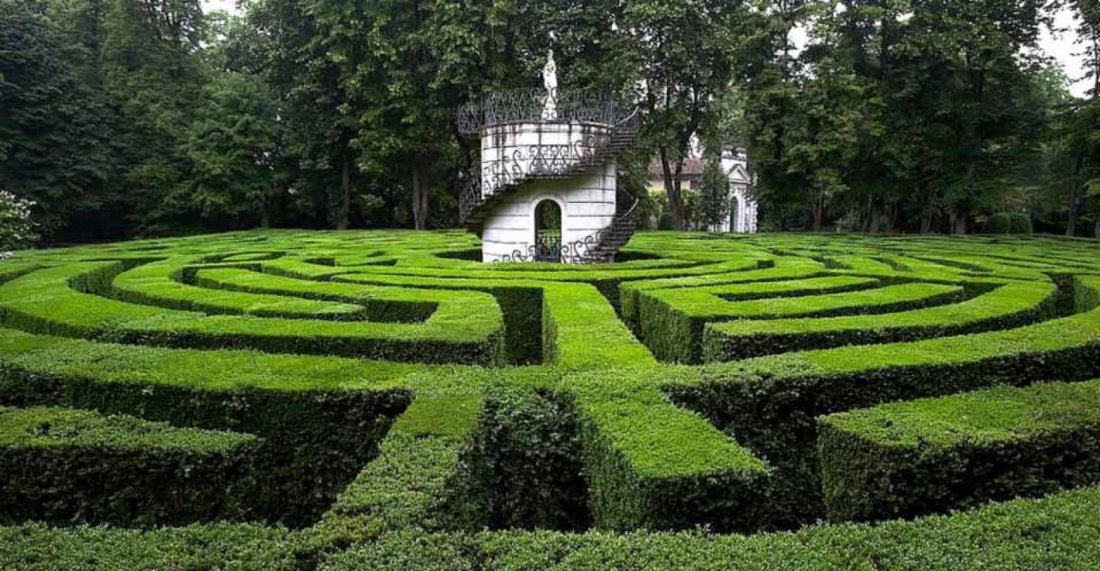
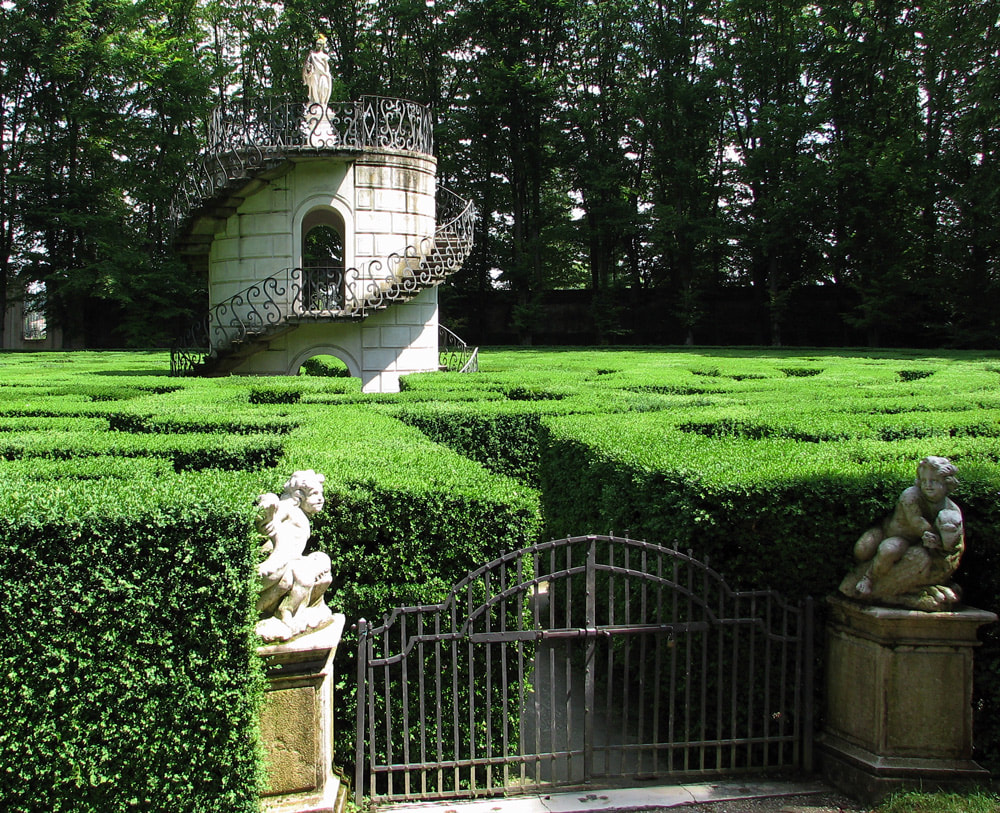
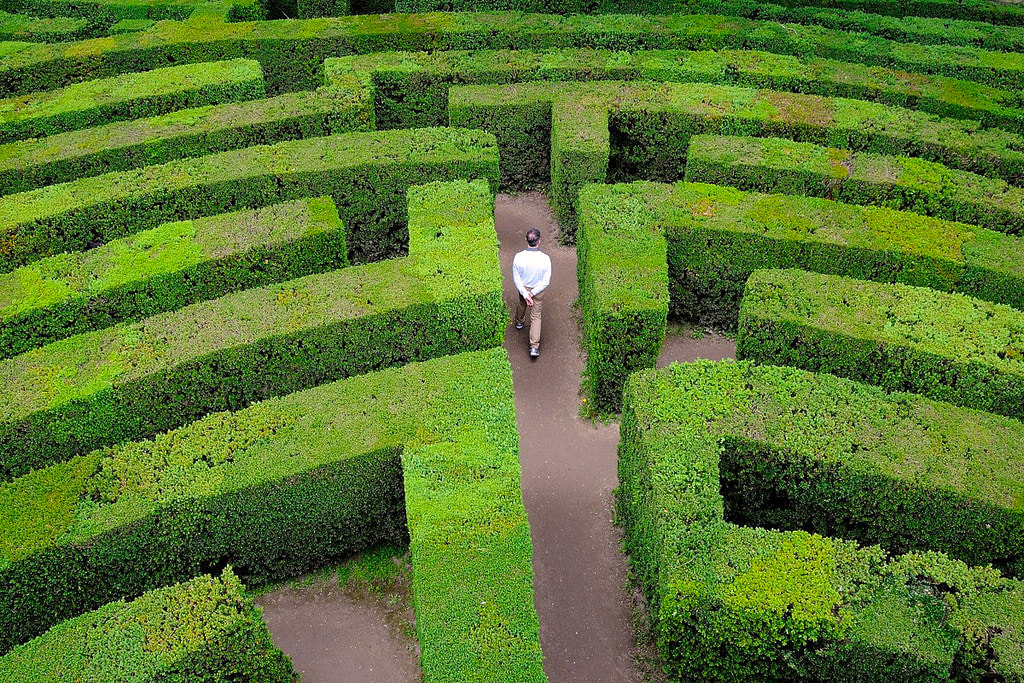
  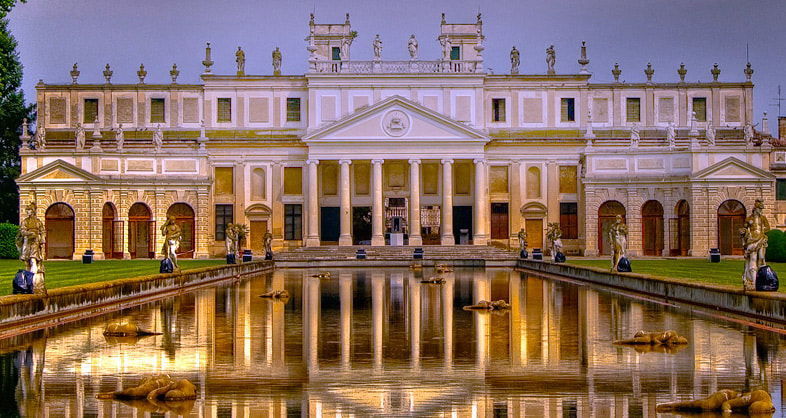 Between Venice and Padua you will find one of the most beautiful maze gardens in the world... the Villa Pisani in San Pietro di Stra. The villa and garden labyrinth was built on the banks of the Brenta river, by the rich and powerful Pisani family in 1722. Its nine concentric circles are formed by 900 boxwood hedges with a tower in the center with a confusing double helical external staircase. The labyrinth has an ancient origin in the myth of Theseus and the Minotaur being imprisoned in the labyrinth of the Knossos Palace on Crete. In the Middle Ages such labyrinths represented the struggle of life with Faith guiding us through. One can also look at the labyrinth at Pisani as getting oneself lost in Love...
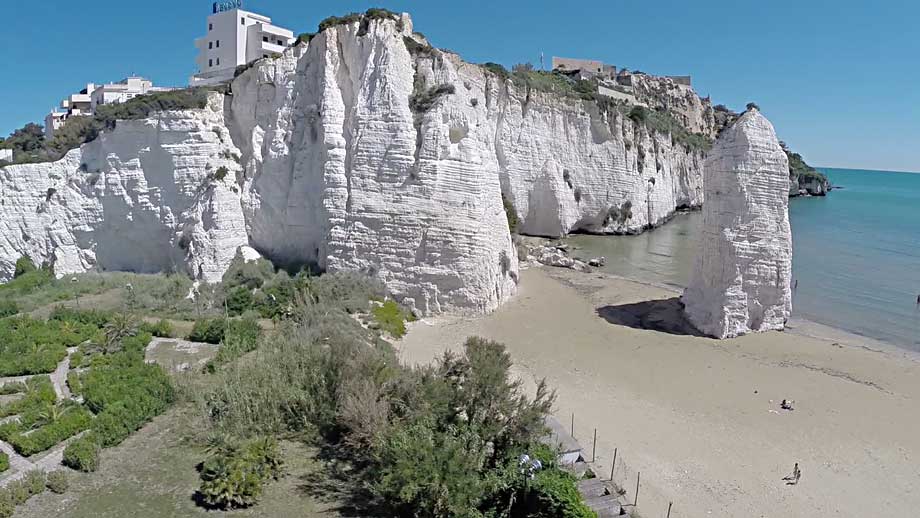
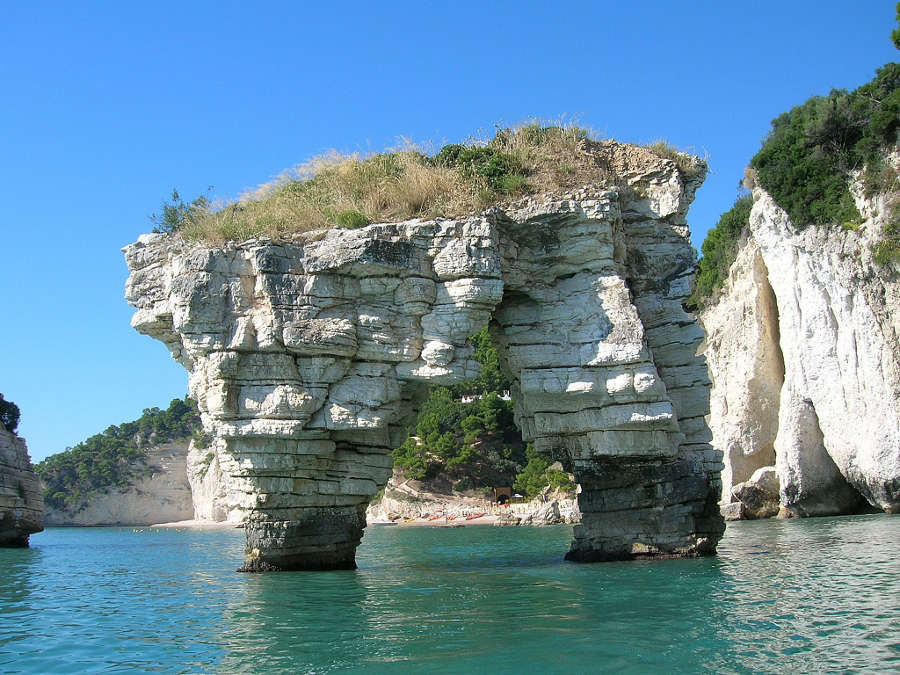
 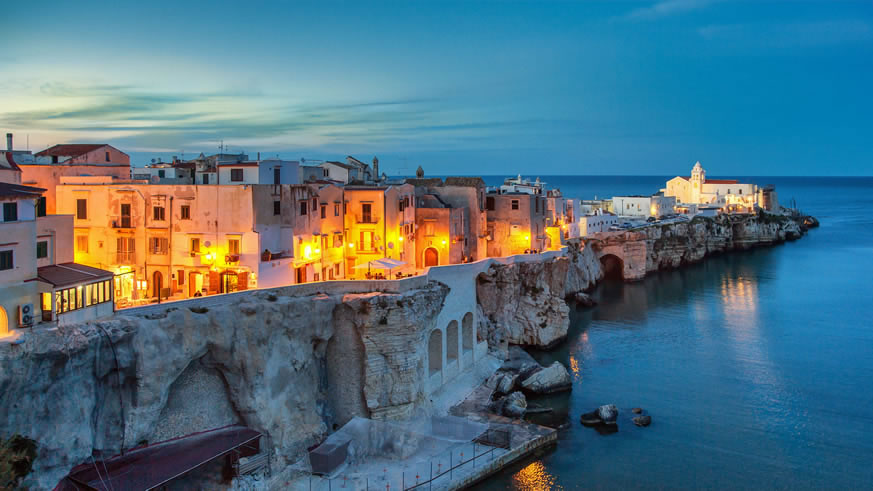 The Pugliese town of Vieste has a unique geographical location at the end of a rocky peninsula called the Gargano in Puglia. The white houses in Vieste give a Voyager the feeling that they are in Greece--in fact, the Greeks, Saracens and Slavs all influenced the history of this town. At either side of the town are long sandy beaches, one with a large white rock monolith over 80 feet tall called Pizzomunno (lacy beard). The white cliffs in the surrounding landscape contain many grottoes, weathered rock formations and sea arches, created by the action of wind and waves on the calcarerous rock. Some of the best beaches and grottoes are best seen by boat. This is one of the most picturesque beach areas in all of Italy with the most pristine water environment. If visited during summer, the hotel and lido beach club adjacent to the beach at Pizzomunno will offer loud music and lots of resort types... Better to enjoy the natural environment during the off season when the hotel and lido are closed.
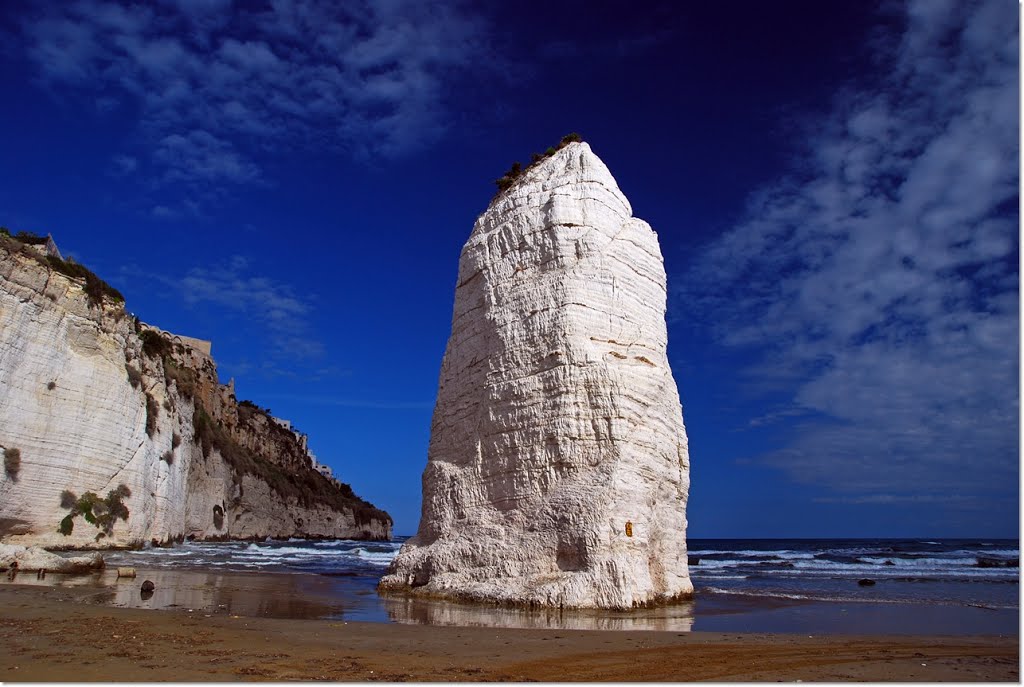 The Legend of Pizzomunno Every day Pizzomunno--a handsome, strong fisherman--went out into the sea to fish, and every day beautiful sirens tried to seduce him with their songs. They even offered him immortality and the honor of being their king. But Pizzomunno always returned to his lover, the beautiful Cristalda. One night, as the two lovers were together on a small island, the sirens kidnapped Cristalda, pulling her down into the depths of the sea. Pizzomunno could not save her. The scorned mermaids' vengeance was yet to be satisfied... the next morning he was found on the beach, his enormous strength and anguish transformed into the white pinnacle we see today. Legend says that once every century, Cristalda rises from the abyss for one night to join her young lover again. 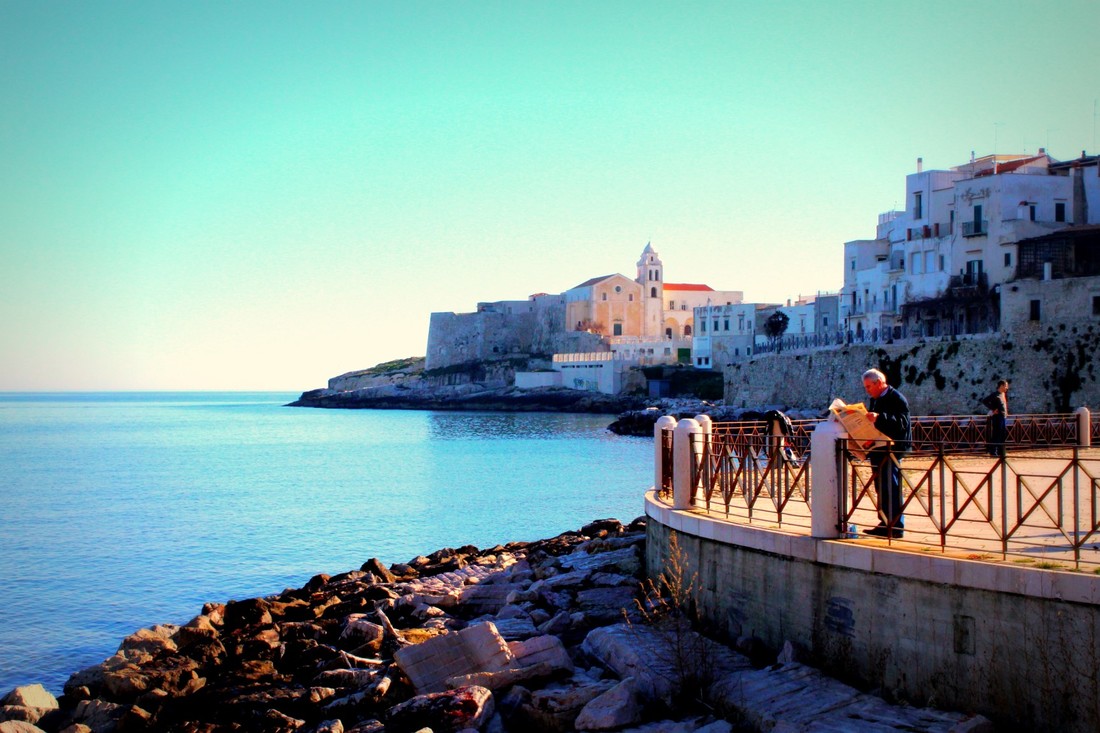 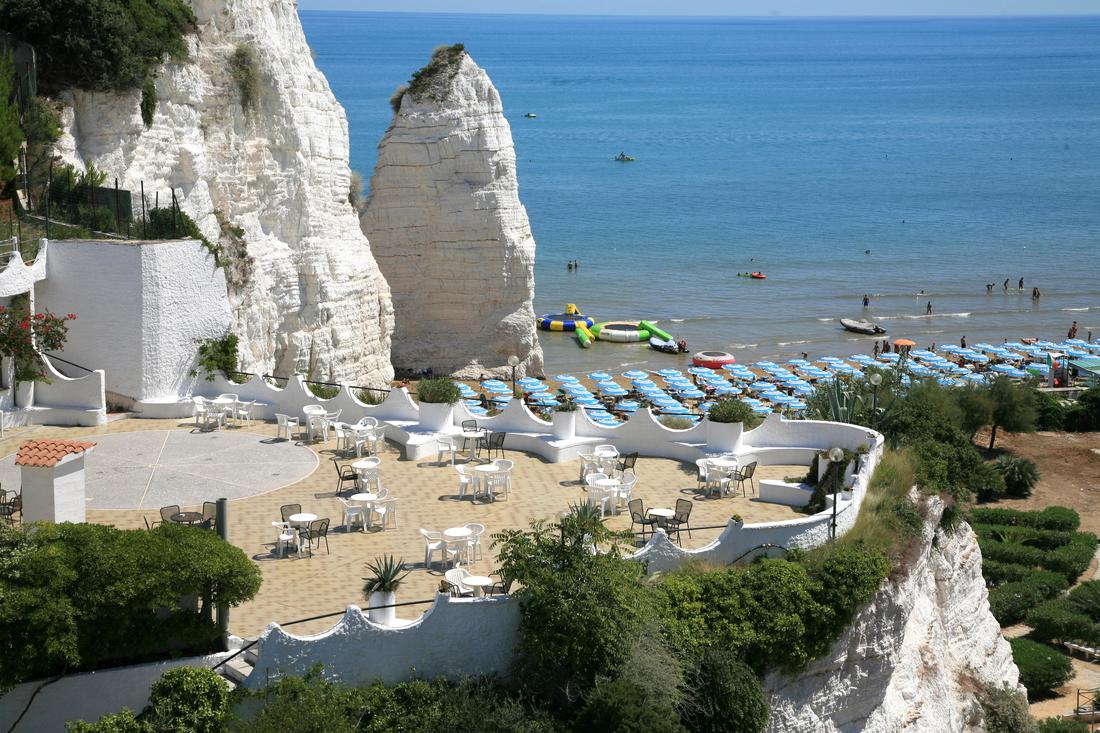  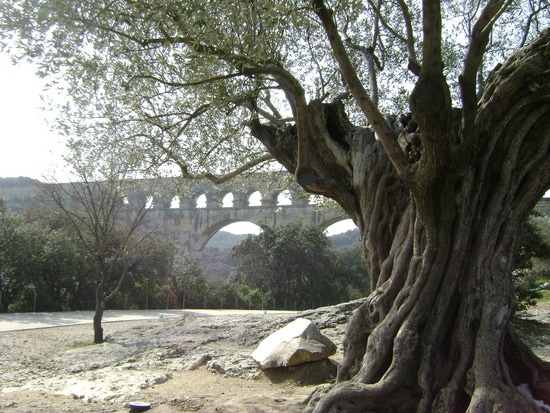 The olive tree is a metaphor for the Garden of Eden and perhaps life itself. It tempts us with its fruit, which many consider to be the "forbidden fruit" that Eve succumbed to. It releases its oil, so amazingly useful for lamp light in the ancient world and for cooking throughout history. It is said that Athena planted the first olive tree on Mount Olympus itself--its descendant can still be seen there today. The olive was cultivated before there was written language--about 6000 years ago--and spread from Asia Minor to Iran, Syria, Palestine, Greece, Italy, France, Spain and across Northern Africa. Olives have been found in Egyptian tombs from 4,000 ago. 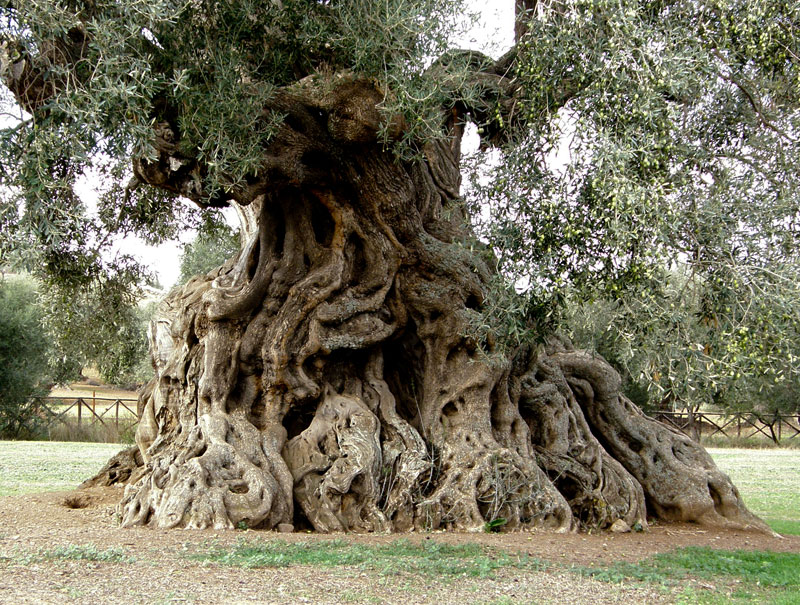 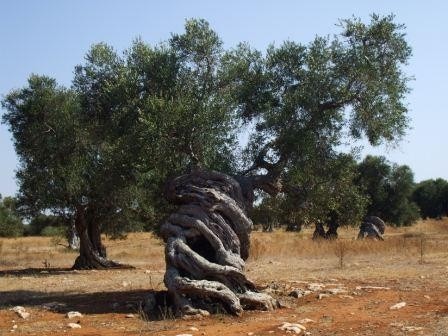 The Romans used the oil not only for light and cooking, but for preserving food and cleansing their bodies. They bathed in it, washed their bodies with it and then scraped away dead skin. They drank it as a curative and swished it in their mouth to clean their teeth. Mothers used it to heal their babies rashes and to sooth their nipples from breast feeding. It was used to keep hair healthy and beautiful. It moisturized their skins and hands after a hard day of labor. The oil was also used to Olive oil can clean and waterproof leather coats, boots and belts. The oil polished wood furniture and shine brass. The military used to to polish their helmets, swords and shields. It was also used as a lubricant on chariots and carts.  The average lifespan of an olive tree is 500 years. In Greece, Spain and in southern Italy, you may come across threes that are estimated to be from 1000-3000 years old. These ancient trees grow outward from the center, with their inner trunks rotting away, often leaving an intricate pattern on the outer surfaces, somewhat looking like a lattice pattern. On older trees, the center can be completely gone, leaving a hollow interior large enough for a person to step inside. Still on others, one ancient tree might look life two or more trees growing around an empty void in their center. Often they can look like people trapped in their growth... faces, arms and legs and human muscles. Their beauty is memorizing to me, often making me think of them as old sages or time travelers, with me wondering what history they have seen as the millennia marches by. We can only be humbled by their muscular and impressive stature... --Jerry Finzi Copyright 2017 - Jerry Finzi/Grand Voyage Italy - All Rights Reserved  Porto di Ripetta, Rome, by Fratelli Alessandri, circa 1850--There was no record of this port aside from this photo. It was demolished in the 1880s. 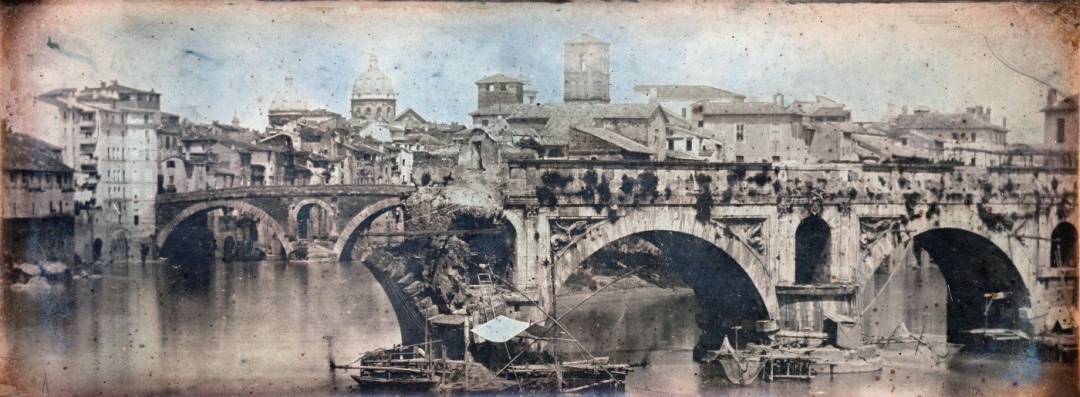 Ponte Rotto, Rome by Joseph Philibert Girault de Prangey, 1842  Temple of Vesta by Pietro Dovizielli, 1855 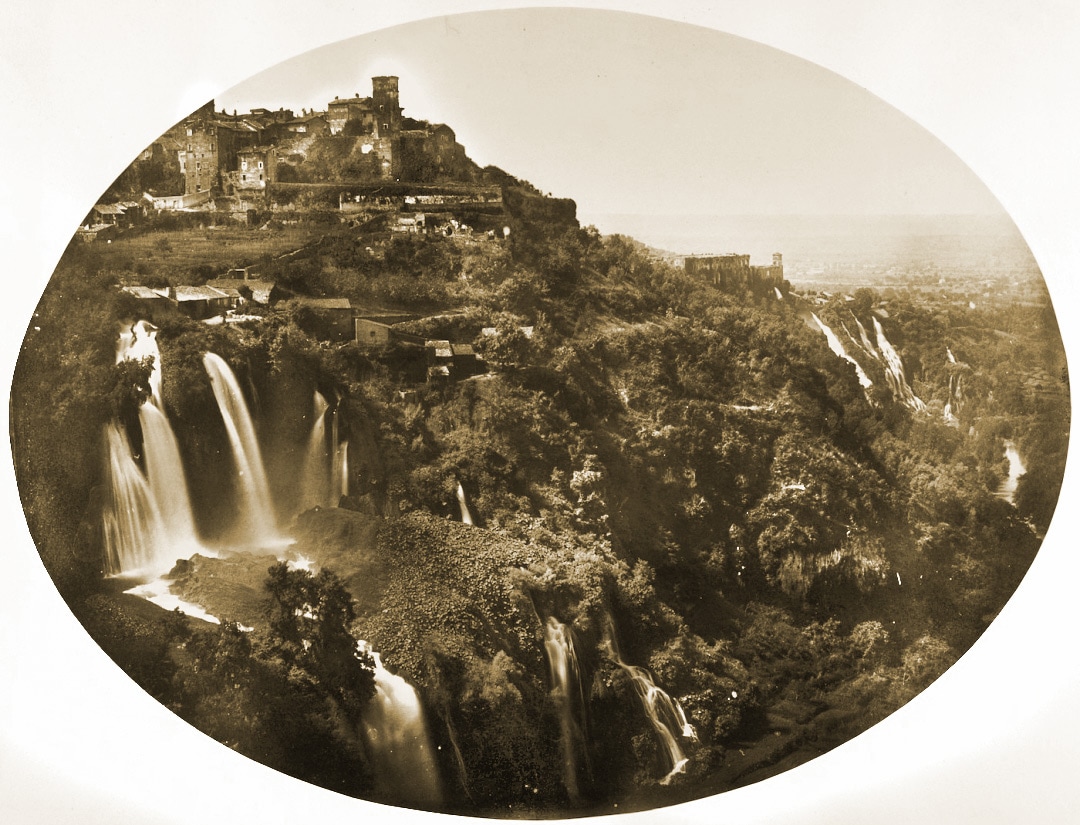 Mecenas’s Villa and the Valley of the Anio and cascades, by Robert Macpherson, circa 1858 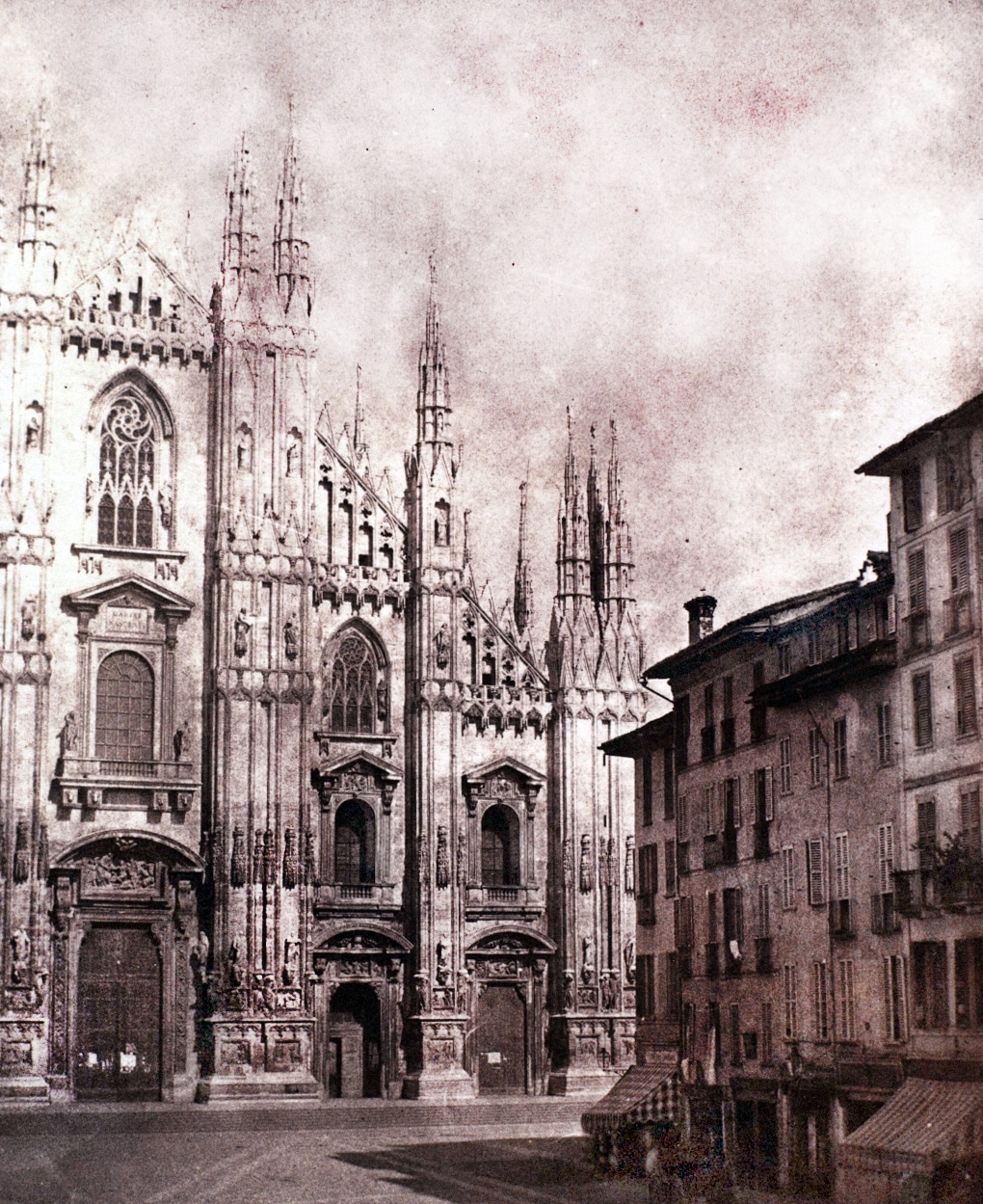 Duomo di Milano by Calvert Richard Jones, 1846 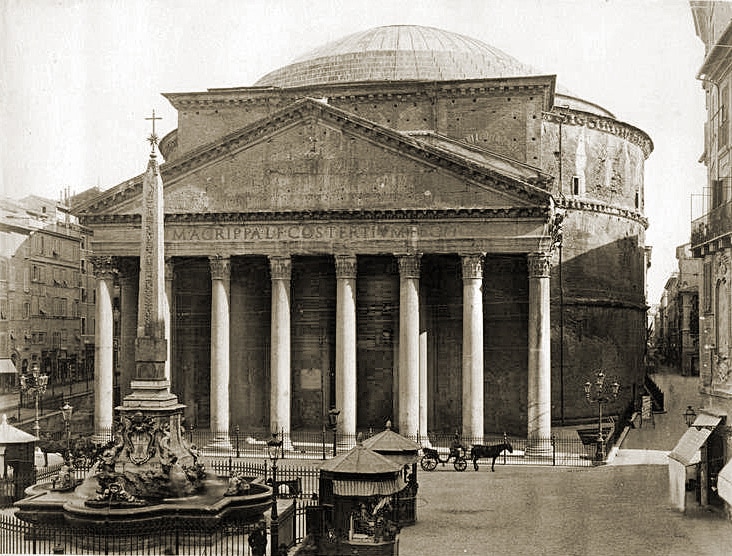 Panteon, Rome, by Fratelli Alessandri, circa 1850 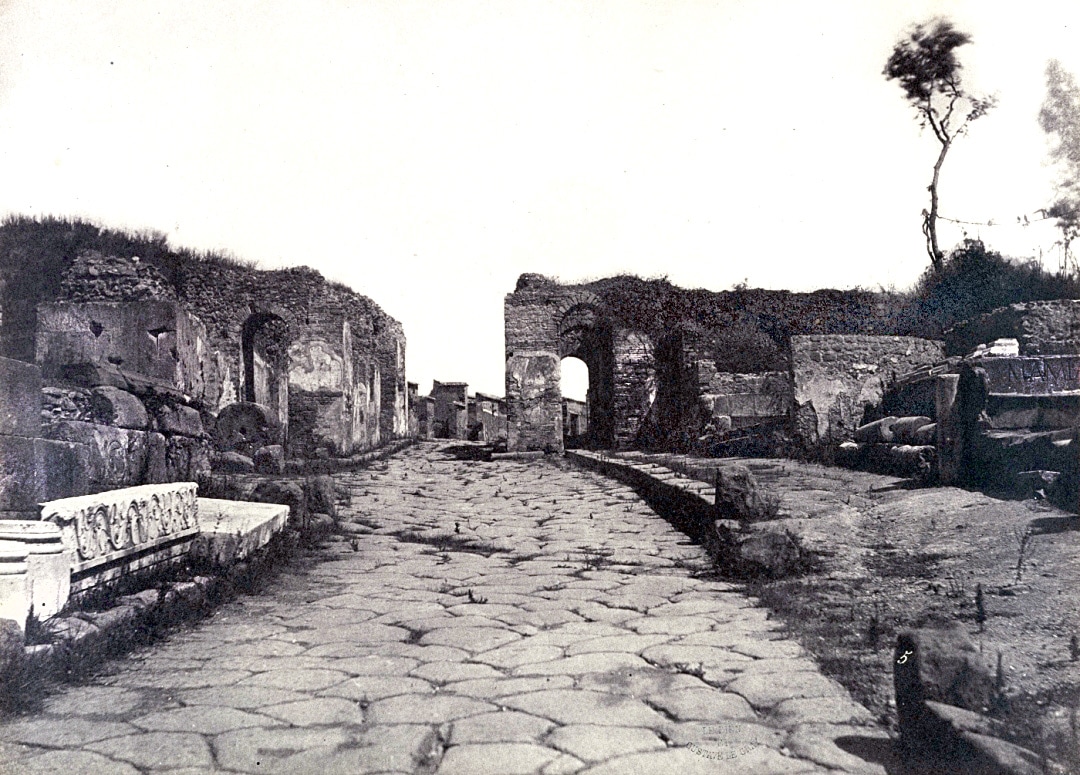 Pompey’s Lane, Pompeii, by Eugène Le Dien, 1853 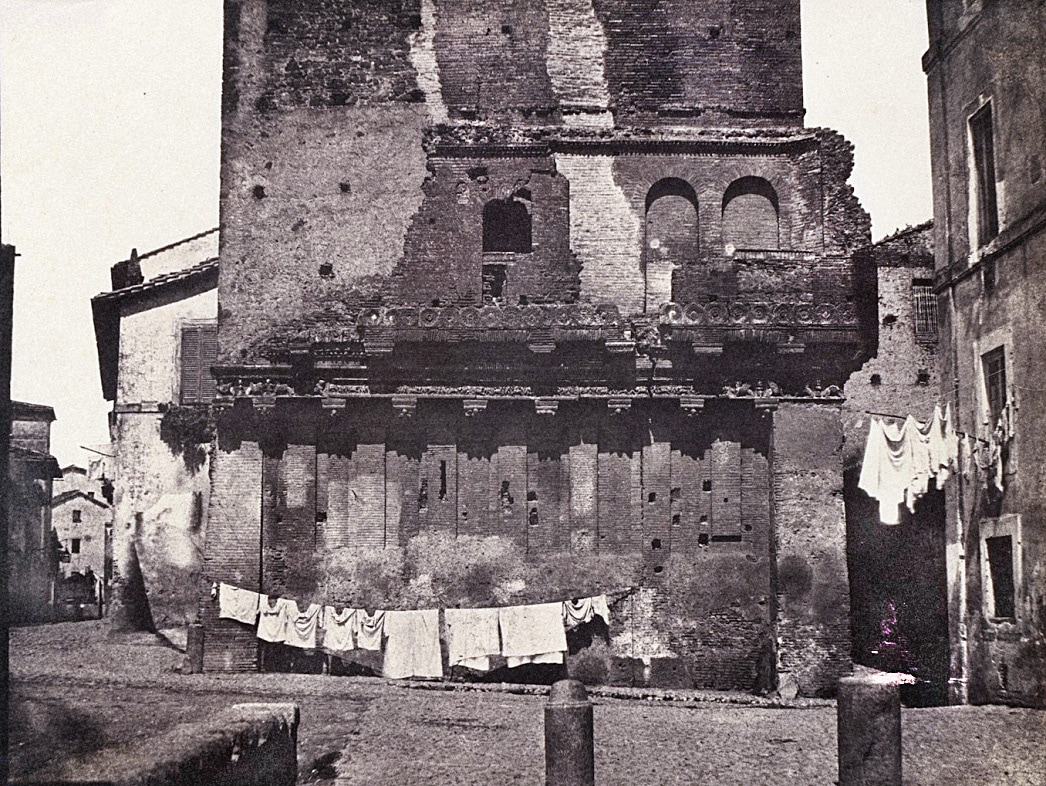 Casa di Rienzi, Rome, photographer unknown, 1855 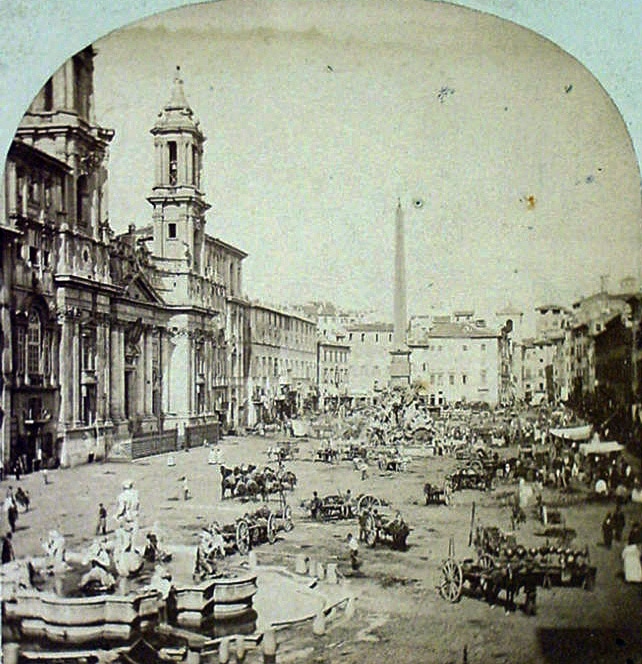 Piazza Navona, by Fratelli Alessandri, circa 1868 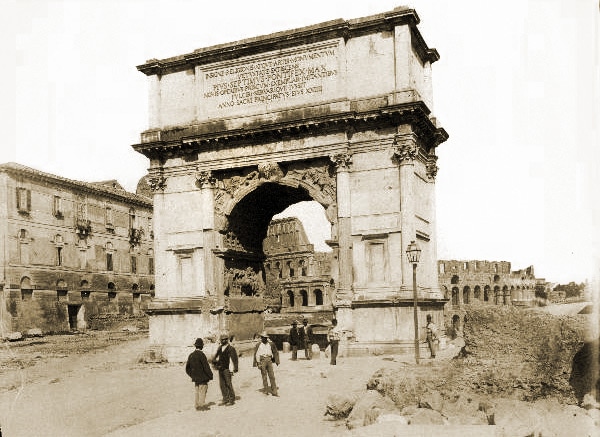 Arch of Titus, Rome, by Giacomo Brogi circa 1870 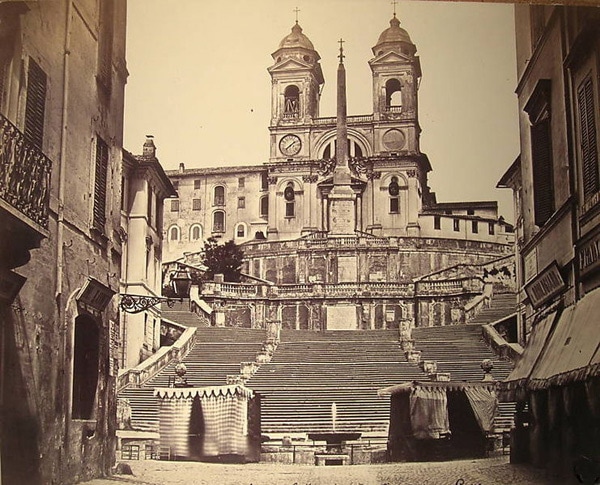 Spanish Steps, Rome, by Robert MacPherson, circa 1850 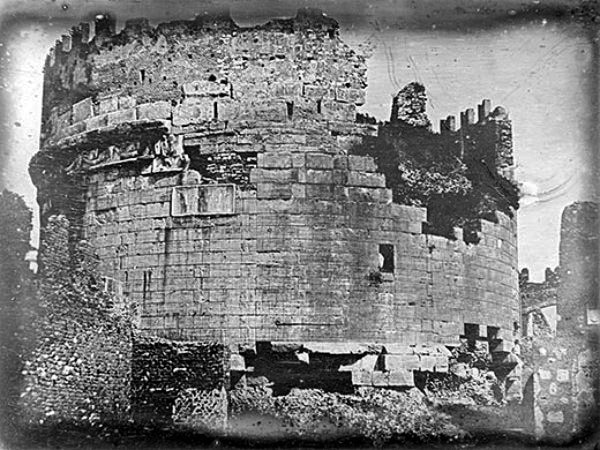 Tomb of Caecilia Metella, Via Appia, Rome, 1841 Daguerreotype--one of the oldest known photos of Italy. |

Categories
All
Archives
January 2024
|
 RSS Feed